Top

Metaplanet boosts Bitcoin holdings during economic uncertainty

Web3 & Enterprise·July 01, 2024, 11:49 PM

Japanese investment firm Metaplanet has increased its Bitcoin holdings, purchasing an additional 20.195 BTC for approximately 200 million yen ($1.2 million), as announced after the Tokyo Stock Exchange closed on Monday. This acquisition brings the firm's total holdings to 161.2677 BTC, valued at over $10.1 million. According to The Block, the recent purchase is part of a broader strategy, initiated with the company's decision to allocate 1 billion yen ($6.3 million) for Bitcoin acquisitions funded by an upcoming bond issuance. This move follows a previous buy in June worth 250 million yen.

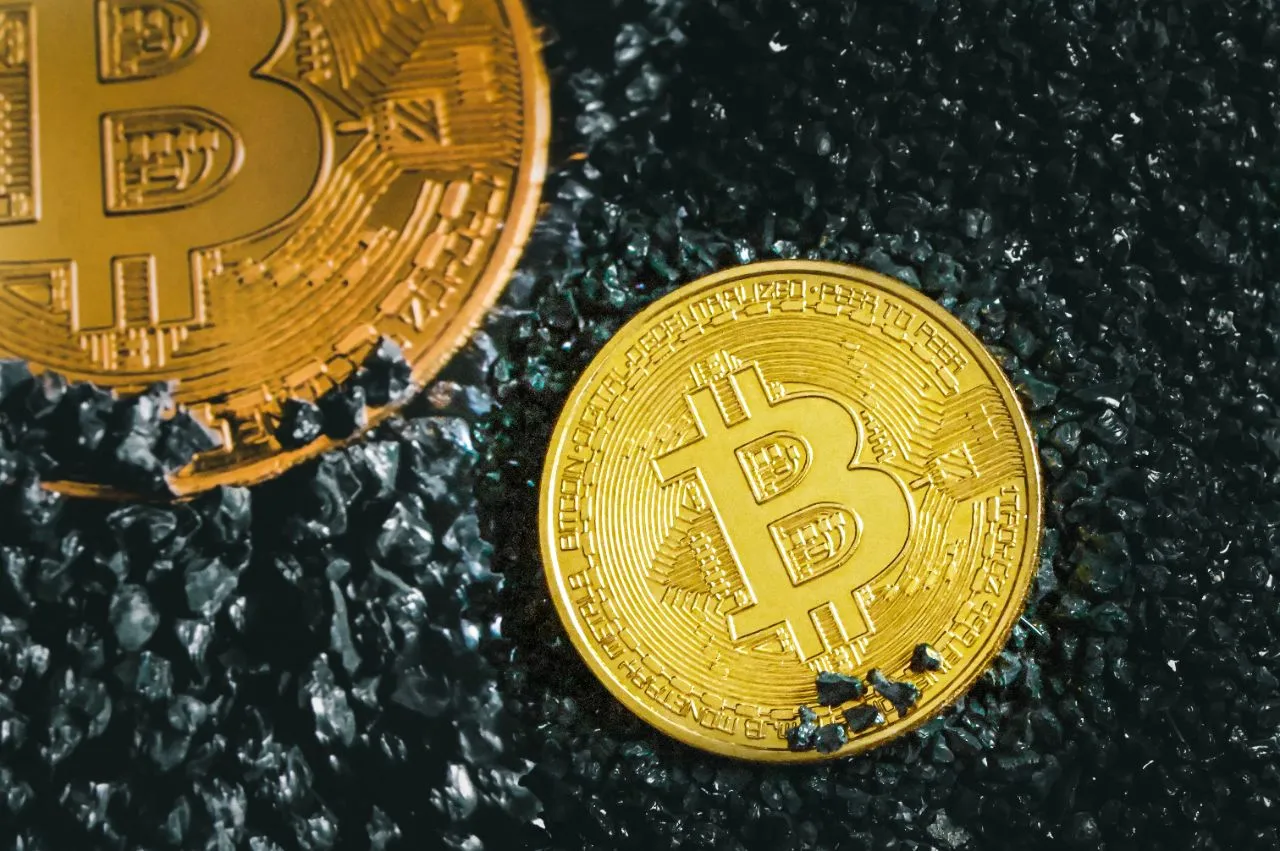
https://asset.coinness.com/en/news/a83fab0d99dd69533324db7538c859f2.webp
Photo by Traxer on Unsplash

Strategic investment response

Metaplanet's investment strategy mirrors that of U.S.-based MicroStrategy, which has significantly integrated Bitcoin into its treasury assets. MicroStrategy currently holds 226,331 BTC, amounting to more than 1% of the total Bitcoin supply. Citing economic challenges like high government debt and the depreciating yen, Metaplanet views Bitcoin as a hedge against economic instability. Following Metaplanet’s latest acquisition, its stock saw a 1% rise on Monday, with an overall increase of 233% since it began investing in Bitcoin.


More to Read
View All
Web3 & Enterprise·

Nov 14, 2023

Upbit D Conference participants share insights on Web3 and blockchain

Upbit D Conference participants share insights on Web3 and blockchainBlockchain specialists from 29 countries gathered on Monday (local time) at Upbit D Conference (UDC) 2023 in Seoul to explore capital markets in the forthcoming Web3 era. This era is characterized by user-controlled, communal data management, a notable shift from the Web2 space where major tech corporations held dominant control over data.Organized by Dunamu, the operator of South Korea’s Upbit cryptocurrency exchange, the conference featured 39 experts, focusing on the transformative potential of blockchain technology in this new internet phase.Photo by Shubham Dhage on UnsplashAsset tokenization and investment opportunitiesAccording to a report by the Asia Business Daily, one of the key speakers at the conference, Wally Yu, a Solutions Architect at San Francisco-based Chainlink Labs, delved into how cross-chain solutions and asset tokenization could add to the financial industry. He explained that Chainlink’s Cross-Chain Interoperability Protocol (CCIP), designed to connect various blockchains, is only beginning to reveal its capabilities in integrating with traditional financial markets. Yu pointed out the growing interest from banks in tokenizing their conventional assets and transferring them to the blockchain. This move, he suggested, could lead to increased liquidity and open up new investment opportunities.Yu also compared the current DeFi market to traditional sectors like stock, real estate, and derivatives, noting DeFi’s relatively smaller scale. However, he underlined blockchain’s transparency as a key advantage over traditional markets, where transparency is often lacking. According to Yu, the adoption of blockchain by traditional financial firms could address longstanding issues more effectively.Looking ahead to the Web3 era, Yu envisioned a scenario where different tokens are interconnected, potentially bringing an estimated $900 trillion worth of assets onto the blockchain. This, he believes, would significantly enhance liquidity in the financial markets.From Web2 to Web3During the conference, Korean mobile network provider SK Telecom’s (SKT) Vice President, Oh Se-hyun, outlined the company’s forward-looking strategy to transition its 30 million subscribers from Web2 to Web3. She highlighted SKT’s search for high-value markets to expand its business scope, underscoring the company’s active efforts in constructing Web3 infrastructure. This strategic pivot aligns with their vision for the upcoming Web3 era.SKT, which established its Web3 division in 2017, initially engaged in developing a private mainnet. However, the company has since shifted its focus towards services aimed at boosting customer engagement, such as custody, web and app services. Oh emphasized the need for Web3 wallets to support a diverse range of assets and decentralized applications (dApps), but she stressed that ease of use is paramount. She views that these wallets will serve as gateways for customers entering the blockchain space.SKT has developed and is improving its own Web3 wallet, dubbed Wallet T. Oh shared her belief that the future of financial business models will pivot from traditional and big-tech banks to those based on public chains. In preparation for this shift, SKT is contemplating strategies to embrace blockchain-based Web3 services.Crypto regulationThe conference also touched on the potential integration of virtual assets within regulatory frameworks. There’s growing anticipation in the market for the approval of spot bitcoin exchange-traded funds (ETFs) by the United States Securities and Exchange Commission, especially following the inclusion of asset manager BlackRock’s proposed spot bitcoin ETF in the Depository Trust and Clearing Corporation’s (DTCC) clearing-house eligibility file.Emily Parker, Executive Director at CoinDesk, mentioned that a spot bitcoin ETF is on the horizon in the U.S. She anticipated that such a development would not only boost cryptocurrency prices but also positively impact the market for non-fungible tokens (NFTs). Echoing this sentiment, Oh Se-hyun from SKT predicted that the approval of a spot bitcoin ETF could unlock access to a $30 trillion market.SKT’s Oh also addressed the complexities surrounding the regulatory landscape for cryptocurrencies. She acknowledged the challenge facing authorities in developing these regulations all at once, highlighting the gradual progress in this area. She cited the outcome of Ripple’s lawsuit in the U.S., which resulted in Ripple’s XRP tokens being classified differently for different investors: as a security for institutional investors but not for retail investors. Additionally, Oh pointed to the upcoming Markets in Crypto-Assets Regulation (MiCA) in the European Union, slated for implementation in December 2024. She emphasized that the establishment of such regulatory guidelines brings clarity and reduces uncertainty, which can be reassuring for businesses operating in the crypto space.Providing further insights into this matter, Kim Gap-rae, a senior researcher at the Korea Capital Market Institute (KCMI), spoke about the importance of regulatory clarity in the cryptocurrency sector. He pointed out that it’s more crucial for governments to have clear regulations rather than focusing on the extent of regulation. Understanding new regulatory or legislative trends is essential for governments as they look to develop new infrastructures.According to Kim, a potential spot bitcoin ETF approval in the U.S. could prompt South Korea to consider a similar approval. However, he noted that Korea currently lacks a regulatory framework for Bitcoin custody, which could lead to a competitive environment among crypto companies in the country. Kim believes that a deeper understanding of custodian regulations will enable better adaptation to new types of ETFs and foster their growth in Korea.

news
Web3 & Enterprise·

Nov 16, 2023

Circle introduces Circle Mint with zero-fee USDC minting

Circle introduces Circle Mint with zero-fee USDC mintingIn a move designed to enhance accessibility and compliance, Circle, the issuer of leading U.S. dollar stablecoin USDC, has introduced the “Circle Mint” facility.Singapore launchIn a recently published blog article on its website, the company outlined that the zero-fee minting service is set to launch initially in Singapore. In June, Circle Internet Singapore, the company’s Singapore-incorporated subsidiary, secured a Major Payments Institution (MPI) license from the Monetary Authority of Singapore (MAS). In this most recent announcement, the firm indicated that given the MPI licensing award, it was most appropriate to launch the service initially in Singapore.Circle executives, alongside its co-founder and CEO Jeremy Allaire, were attendees at the Singapore Fintech Festival on Wednesday, an annually organized knowledge platform for the global fintech community. Taking to the X platform, Allaire stated:“It was an honor to host [Singapore President, Tharman Shanmugaratnam] with the @circle team at @sgfintechfest where we officially launched Circle Mint Singapore.”Photo by Mike Enerio on UnsplashCircle Mint facilityCircle Mint Singapore will attempt to strategically position itself as a trusted gateway to the world of digital currencies, emphasizing compliance with MAS regulations. For Singapore-registered entities, the facility offers a range of benefits.Rather than a traditional bank account, Circle Mint is a digital wallet that enables users to send, receive and store digital assets. There will be no minting fees as part of the offering. Customers will be able to take advantage of a zero-fee product offering for both the minting and redemption of USDC. The move eliminates additional risks and additional fees, as well as the ability to do away with the lengthy transaction times often associated with brokers and resellers.Circle Mint Singapore has been designed to align seamlessly with MAS regulations. In that way, the company can reassure its customer base that financial activities are conducted efficiently, securely and compliantly within the regulatory framework.Instant availabilityInstant availability is another feature that Circle is enabling through its Circle Mint product offering. Fiat funds from users’ bank accounts can be swiftly and automatically converted to USDC. That’s thanks to the instant settlement networks of participating banks. Circle Mint Singapore is also planning to expand access to regional banking rails for near-instant settlement, streamlining transactions for users.As digital currency adoption gains momentum in the Asia Pacific (APAC) region, Circle Mint Singapore’s initiatives have the potential to play a pivotal role in making digital currencies more accessible for businesses in this dynamic market.Asian market emphasisIn addition to this latest product offering, other recent activities of the global financial technology firm in recent weeks suggest that it has placed a strong emphasis on market growth in the APAC region.In September, the firm partnered with Southeast Asian super-app Grab. As part of that collaboration, Circle’s Web3 services platform is being integrated into the app to facilitate blockchain-enabled solutions. The move will see Grab’s 25 million users exposed to the facility of a digital wallet within the app.Similarly, the following month, Circle followed up with a deal with Taiwan FamilyMart, a convenience store chain, and the BitoPro cryptocurrency exchange. Once again, Circle’s Web3 services platform is being integrated, this time into the FamilyMart app, so as to enable the redemption of loyalty points in USDC.

news
Web3 & Enterprise·

Feb 24, 2024

Swoo Pay partners with Mastercard to target Southeast Asian market

Netherlands-based mobile wallet Swoo Pay has joined forces with global financial giant Mastercard to target the Southeast Asian market, offering crypto cashback on everyday purchases. Crypto loyalty tokensThe partnership was announced via a press release published on Cointelegraph earlier this week. Through Swoo's platform, users stand to gain crypto rewards, specifically Swoo Loyalty Tokens, for each contactless payment made via the app using digitized Mastercard cards. The partnership marks yet another step forward in the convergence of traditional financial systems with the burgeoning world of cryptocurrency. It reflects a broader trend among major financial institutions and retailers, who increasingly view cryptocurrency integration as a means to revitalize loyalty programs. Once users accrue “Tokenback” in the form of Swoo Loyalty Tokens, they have the flexibility to either exchange their rewards for popular cryptocurrencies like USDT or BTC within the Swoo app or convert them into fiat currency through partnering services. As Swoo continues to refine its crypto rewards platform, it will incorporate more Web3 features, further enhancing the utility and value of loyalty tokens within its ecosystem.Photo by Markus Winkler on UnsplashTargeting emerging marketsSwoo Pay is targeting emerging markets. Alongside Southeast Asia, that also brings the Middle East region and Africa within the scope of its marketing efforts for this product offering. Emerging markets have long been seen as ideal markets within which to bring about crypto adoption more generally. The significance of this announcement wasn’t lost on Nicki Sanders, chief technology officer (CTO) with tokenized real estate enterprise, Realio. Taking to social media, Sanders cited crypto adoption as one of three main reasons as to why this partnership could be a game-changer.   Sanders feels that the nature of the offering will result in crypto adoption as daily crypto use will be boosted. In turn, that will bring digital currencies into the realm of mainstream acceptability.She also feels that the product offering will be significant in terms of financial inclusion as it’s very accessible to underserved communities. Additionally, Sanders identifies the inherent innovation as being likely to result in mass adoption. “Focusing on Android and Huawei users, Swoo Pay navigates around Google service sanctions, offering a fresh pathway to digital payments,” she claims.This partnership builds upon the success of a previous trial campaign dubbed “Super Tokenback with Mastercard.” During the three-week initiative, users enjoyed 5% Tokenback (crypto cashback) on all Mastercard purchases made through Swoo Pay. The results were positive, with over 17,000 participants conducting upwards of 128,000 transactions. Not only did this drive increase card spend, but it also introduced a wave of new consumers to the concept of crypto-backed rewards. Representatives from Swoo emphasize the seamless integration of crypto into mainstream markets, ensuring compliance with local regulations and simplifying the launch and scalability of marketing campaigns to attract new users. Conversely, officials from Mastercard underscore the company's commitment to expanding the possibilities of digital payment instruments, prioritizing convenience, technological advancement and security. They highlight the role of Swoo Pay in addressing issues with tokenized payments for Android device users, thereby broadening accessibility to these innovative financial solutions.

news
Loading