Top

Potential positive impact of monetary stimulus in China

Policy & Regulation·September 26, 2024, 1:54 AM

Many commentators in the crypto space were pointing to a lowering of interest rates last week by the Federal Reserve in the United States as being a positive development for the pricing of digital assets. However, the introduction of a stimulus package to revive the Chinese economy may also have a role to play.


Stimulus package

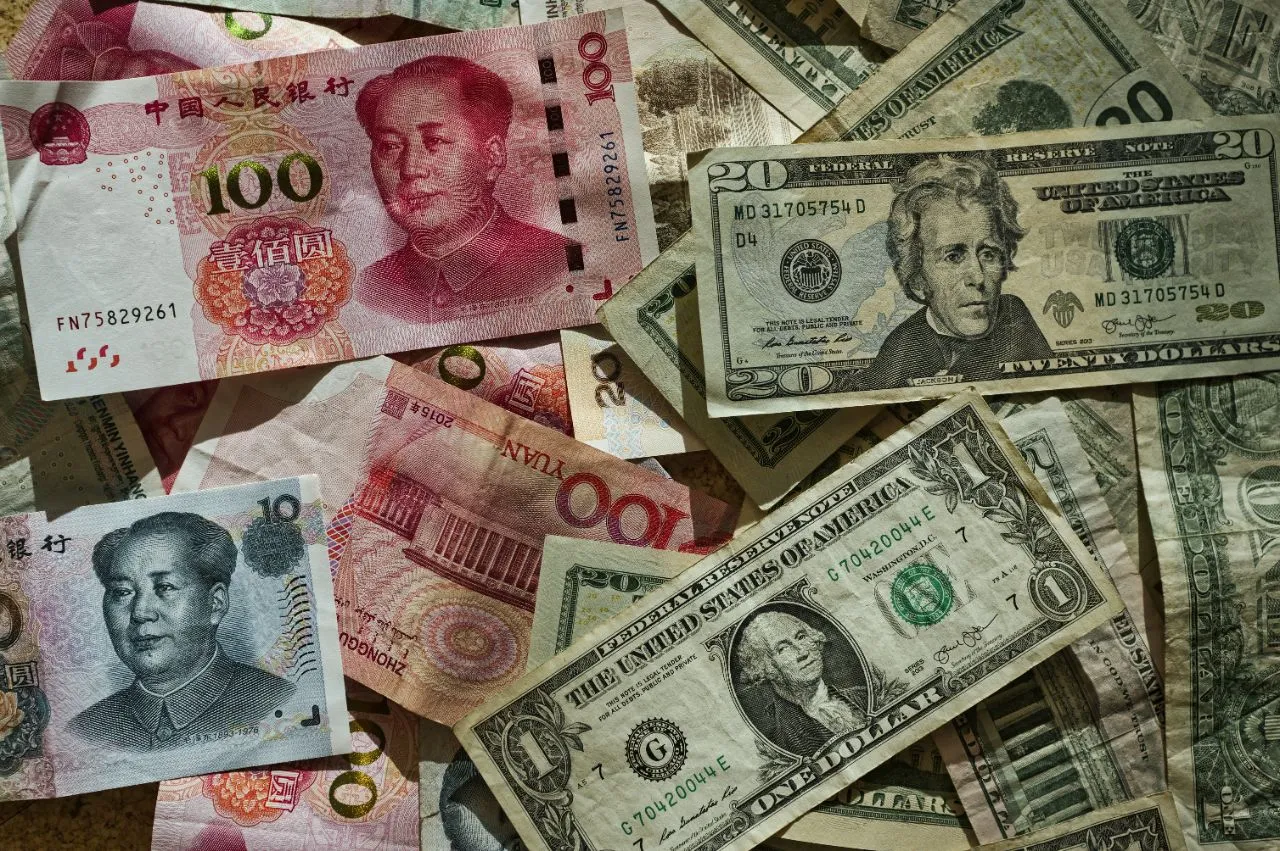
Bloomberg reported on Sept. 24 that People’s Bank of China Governor Pan Gongsheng had cut a key short-term interest rate. Furthermore, the Bank of China governor plans to implement a reduction in the reserve requirements that are applied to the country’s banks. The Reserve Requirement Ration (RRR) will be cut by 50 basis points, which will mean that $142 billion will be freed up for new lending. 


Additionally, a package of measures has been introduced to rejuvenate China’s beleaguered real estate market, lowering the borrowing costs related to $5.3 trillion in mortgages.
https://asset.coinness.com/en/news/80a461c9ba733f424b0176fe5cd0c9e0.webp
Photo by Eric Prouzet on Unsplash

Bullish for crypto?

Jamie Coutts, chief crypto analyst at financial research platform Real Vision, took to X to comment on the development. Coutts wrote:


“The bottom is in for global central bank liquidity for this cycle. Sit back and watch the other CBs fall into line. In a credit-based fiat fractional reserve system, debasement is a feature, not a bug.”


Coutts signed off with a “Bitcoin” hashtag, with the inference that the development will have positive implications for Bitcoin. Similarly, market analysts at Singaporean crypto-asset trading firm QCP Capital perceive the move as being bullish for crypto and risk assets more generally.


QCP Capital analysts stated:


"We believe more easing is coming from the People's Bank of China (PBoC), and they have communicated as much, and combined with the U.S. Federal Reserve joining the global cutting cycle, all major central banks, except Bank of Japan, are now ready to inject more liquidity into the market. The macro space continues to look more and more bullish for risk assets, including crypto." 


Taking that consideration further, the QCP Capital analysts suggest that market participants in the crypto space may be caught off guard by a resultant uptick in crypto pricing, stating:


"We know how explosive crypto prices can be, and with so many bullish catalysts, we think the next move higher will leave many people surprised and sidelined.”


Fed rate cuts

Many market commentators were similarly enthused last week following an announcement in the U.S. by Jerome Powell, Federal Reserve Chairman, of a 50 basis point rate cut, with the suggestion that further cuts may be implemented going forward.


However, not all market pundits are of the same view. Some believe that small interest rate cuts occurring in an overall high rates environment won’t move the needle and that it’s only in a zero rates environment where Bitcoin and crypto skyrocket. 


Arthur Hayes, co-founder of BitMEX and Chief Investment Officer (CIO) at the Maelstrom Fund, asserted in his keynote speech at TOKEN2049 in Singapore last week that he wasn’t enthusiastic about rate cuts driving crypto. 


“While I think a lot of people are looking forward to a rate cut, meaning that they think the stock market and other things are going to pump up the jam, I think the markets are going to collapse a few days after the Fed’s rates,” he stated.


Markets didn’t collapse subsequently although it seems that they are responding to this latest monetary stimulus introduced by China.

More to Read
View All
Web3 & Enterprise·

Sep 13, 2023

Bitget Exec Speaks to Utility of Enhanced KYC

Bitget Exec Speaks to Utility of Enhanced KYCCrypto continues to undergo significant transformation as regulatory authorities across Asia tighten their grip on the industry. In response to these regulatory changes, Seychelles-headquartered Bitget has joined KuCoin and OKX, which have recently bolstered their Know Your Customer (KYC) measures to ensure compliance and safeguard their operations.In a recent interview with Cointelegraph, Bitget Managing Director Gracy Chen spoke to the utility of KYC measures, stating that KYC is useful in filtering out illegitimate users, particularly those engaged in activities such as money laundering.Photo by Pixabay on PexelsMeeting Asian regulatory requirementsThe Seychelles-based exchange with ties to China and Singapore recently announced updates to its KYC protocols. These changes come in the wake of the Monetary Authority of Singapore’s (MAS) directives, which advise financial institutions, including cryptocurrency exchanges, to implement robust risk management procedures. The MAS has taken a stringent stance, shutting down certain digital payment token service providers to prevent them from facilitating lending and staking activities by retail customers.Starting from October 1, Bitget will require users who have not completed level 1 KYC verification to be restricted from creating new trading orders. This move aims to ensure that users comply with the newly updated guidelines and maintain the integrity of the exchange’s operations.Following industry peersKuCoin and OKX, two other prominent exchanges which, like Bitget, have their corporate headquarters in Seychelles and a strong presence in Asia, have also revamped their KYC policies. While KuCoin initially introduced KYC in 2018, the exchange has strengthened its identity verification procedures, requiring users to upload documents and complete face checks.Furthermore, in July, it announced a mandatory KYC requirement, in line with anti-money laundering (AML) regulations. While the mandatory KYC requirement is already in force, the other changes are set to take effect at the end of the month.OKX, on the other hand, has implemented stringent requirements, including the submission of a government-issued ID selfie for users to access all its services. The exchange recently set a deadline for service users to complete KYC.Bitget’s Chen highlighted that its decision to embrace KYC measures was driven by a commitment to serving the market responsibly. She acknowledged that while some users may have reservations about KYC, it is a necessary step to maintain the integrity of the exchange and prevent illicit activities. Speaking at the fringes of the firm’s EmpowerX Summit in Singapore, Chen said:“I’m pretty sure if the user is a financially healthy user, such as, like, if they’re not doing something illegitimate, such as money laundering, they should be pretty comfortable with the KYC process.”Tightening regulationThe tightening of regulations in Asia is not limited to Singapore alone. Japan has also taken steps to enhance anti-money laundering measures related to cryptocurrency transactions, responding to international calls for stricter oversight. Additionally, South Korea’s Financial Services Commission (FSC) has announced plans to require companies to disclose details about their cryptocurrency holdings, expected values, and related business models in their financial statements, aligning crypto accounting with conventional financial reporting.These regulatory developments signify a broader trend in the region, with cryptocurrency service providers proactively adapting to the changing landscape. As governments and regulatory authorities take steps to address the potential risks associated with cryptocurrencies, exchanges are prioritizing compliance to ensure their longevity and continued growth.

news
Web3 & Enterprise·

Oct 20, 2025

Sony Bank seeks OCC nod for U.S. dollar-backed stablecoin and crypto services

Sony Bank, a Japanese neobank headquartered in Tokyo, has applied to the U.S. Office of the Comptroller of the Currency (OCC) to establish a new trust bank, Connectia Trust, as part of a broader expansion into digital assets. According to Sony Bank’s application, if approved, Connectia Trust would issue U.S. dollar–pegged stablecoins and manage the corresponding reserves. The entity would also offer non-fiduciary custody of digital assets and provide fiduciary asset-management services for certain affiliates.Photo by P. L. on UnsplashSony among 11 crypto applicants to the OCCSony Bank’s filing is among 11 crypto-related applications before the OCC, alongside efforts by Coinbase, Nubank, Paxos, BitGo, Ripple, and others. To date, only two banks have advanced through the agency’s charter approval process. In 2021, the OCC conditionally approved the conversion of Anchorage Trust Company into Anchorage Digital Bank, granting it a national trust bank charter. More recently, last week, Erebor Bank, backed by PayPal co-founder Peter Thiel, received preliminary conditional approval for its de novo charter. The initiative reflects Japan’s growing openness to cryptocurrencies, underscored by the government’s recent regulatory approval of the country’s first yen-denominated stablecoin. Fintech firm JPYC Inc. plans to launch “JPYC” this fall, pegged at 1 yen per token and designed for person-to-person transfers and retail payments, with plans for point-of-sale integration. The issuer targets up to 10 trillion yen ($66.7 billion) in circulation within three years. There are no limits on holdings or wallet transfers, while redemptions are capped at 1 million yen ($6,700) per user per day. Sony Bank has been building its Web3 capabilities this year. Its board approved a new subsidiary for blockchain initiatives in May, later renamed BlockBloom in August. Now operational, BlockBloom aims to connect fans and artists and bridge digital and physical experiences, as well as fiat and digital assets. Its ultimate parent, Sony Group, launched a blockchain mainnet called Soneium in January through Sony Block Solutions Labs, S.BLOX, and SNFT. Built as an Ethereum layer-2 network powered by Optimism’s Superchain technology, Soneium recently announced support for meco.fun, a SocialFi platform that enables creators to earn through memes, content, and NFTs. MUFG’s blockchain initiatives at home and abroadJapan’s top traditional banks are also expanding their involvement in digital assets, with a growing focus on stablecoins. An Oct. 17 Nikkei report, cited by CoinDesk, said Mitsubishi UFJ Financial Group (MUFG), Sumitomo Mitsui Financial Group, and Mizuho Financial Group aim to develop a unified system to issue and transfer stablecoins among corporate clients. Their first rollout will focus on yen-pegged tokens, followed by a potential dollar-based offering. According to an earlier report from Reuters, MUFG and nine other major international banks, including Bank of America, Deutsche Bank, Goldman Sachs, and UBS, are collaborating on stablecoins tied to G7 currencies. MUFG has additionally rolled out a blockchain-based business with Mitsubishi UFJ Morgan Stanley Securities (MUMSS), which is offering bond security tokens and operating ASTOMO, a trading venue for retail investors that has debuted with tokens backed by real estate. The platform lets users invest from 100,000 yen (about $667) on their phones. In summer, MUFG’s trust unit, Mitsubishi UFJ Trust and Banking, acquired a high-rise building in Osaka for more than 100 billion yen ($667 million), with plans to issue digital securities tied to the asset. The tokenization strategy would offer fractional ownership to retail investors long excluded from major real estate opportunities. Taken together, Sony Bank’s OCC application and Japan’s accelerating tokenization efforts signal a race among major financial and technology players to build compliant, scalable infrastructure for digital assets—both at home and abroad. 

news
Web3 & Enterprise·

May 23, 2023

Real-World Asset Investment Platform Alterna Launches in Japan

Real-World Asset Investment Platform Alterna Launches in JapanMitsui & Co. Digital Asset Management (Mitsui & Co. DAM) has unveiled Alterna, a novel platform designed to offer retail investors the chance to invest in real-world assets (RWAs). The service launched on Monday following receipt of the necessary regulatory approvals.Photo by Louie Martinez on UnsplashRWA-backed security tokensAlterna enables users to conveniently invest in RWAs that generate stable rental income and other returns. RWAs encompass a wide range of assets, including large-scale real estate properties and infrastructure such as logistics facilities and power plants. By offering security tokens, Alterna opens the door to previously out-of-reach investment opportunities, allowing individuals to invest with a minimum of 100,000 yen. This new service represents an exciting alternative for individuals traditionally more comfortable with cash savings.The first investment opportunity on the platform will be “Stage Grand Nihonbashi Ningyocho,” a residential building located in the Nihonbashi district. The application begins on June 2.The platform’s name, Alterna, emphasizes its role as an alternative investment service, offering a fresh approach distinct from conventional options such as bank deposits, stocks, and investment trusts.More effective portfolio managementCompared to traditional investment types like stocks and bonds, RWAs offer unique risk-return characteristics. With RWA-backed investments, investors can potentially achieve more effective portfolio management. These alternative assets have been garnering interest from institutional investors as well.The Japanese Government Pension Investment Fund (GPIF), the world’s largest institutional investor, has been investing in alternative assets since 2014. To pursue yields, the GPIF has been expanding its investment portfolio in real assets like real estate and infrastructure.Easy investment with smartphonesTraditionally, retail investors encountered difficulties investing in large-scale real estate and infrastructure assets. Mitsui & Co. DAM aims to establish an environment where such investments can be made easily via security tokens using smartphones.Interest in Alterna has been substantial even before its official launch, with over 10,000 pre-registrations recorded earlier this month.

news
Loading