Top

Hong Kong’s ZA Bank brings crypto trading to 800K retail customers

Web3 & Enterprise·November 27, 2024, 3:57 AM

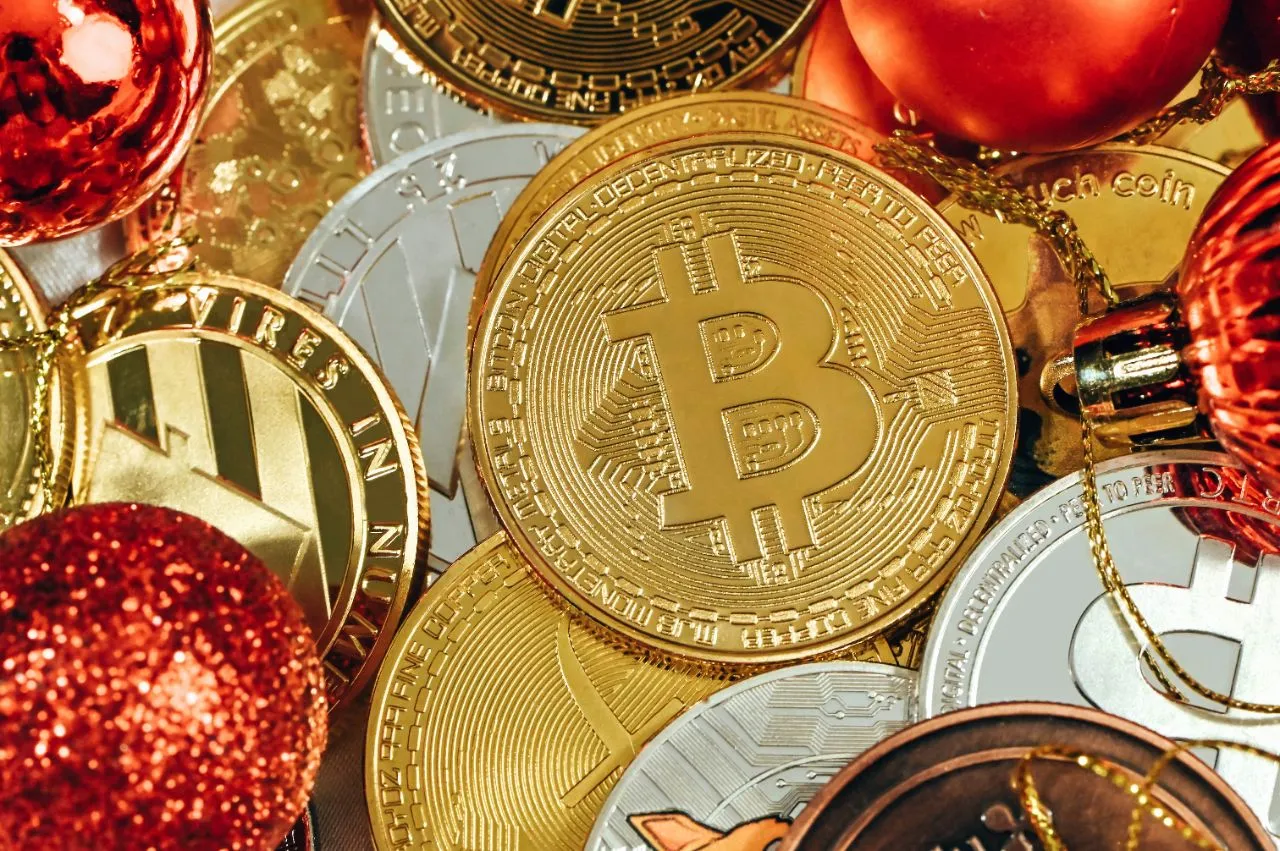
Zhong An Bank (ZA Bank), Hong Kong’s largest digital bank, has announced that it is now offering crypto trading services to its 800,000 retail customers.


The bank set out details of its latest offering in a press release published to its website on Nov. 25. With that, ZA Bank claims to be the first Asian bank to offer crypto trading services to retail customers. Singapore’s DBS Bank was the first conventional bank in Asia to offer crypto services, although in that case, its offering was confined to institutional and accredited investors. It has yet to launch crypto trading for its retail customers.
https://asset.coinness.com/en/news/806f7f5ccc4802b8642168f87288f088.webp
Photo by Traxer on Unsplash

HashKey Exchange partnership 

While DBS built its own crypto exchange platform, in this instance, ZA Bank has decided to partner with local regulated crypto platform, HashKey Exchange. To begin with, the bank will offer Bitcoin and Ethereum in HKD and USD trading pairs. To promote the service, users are being offered commission-free trading during the first three months. A minimum investment level of HKD 600 ($70) has been set.


Essentially, ZA Bank customers can access this trading feature through the ZA Bank banking app. Commenting on the partnership, HashKey Exchange CEO Livio Weng stated:

”Our collaboration goes beyond technical synergies; it also reflects our shared commitment to upholding the highest regulatory standards. Looking ahead, HashKey Exchange will continue to work closely with ZA Bank to drive the development of the Web3 ecosystem, while delivering more diversified financial services to our users. Together, we aim to usher in a new era of wealth management.”


HashKey Exchange is one of three virtual asset exchanges in the Chinese autonomous territory that have been fully regulated and licensed.


Facilitating retail demand 

The bank cited a recent Hong Kong Association of Banks survey, which suggested that 70% of respondents believe that banks offering virtual asset trading services would mean greater convenience for people in accessing cryptocurrencies. Consequently, it would lead to further adoption of cryptocurrencies and it’s on this basis that ZA Bank has launched this latest service, catering to an emerging demand from its customers.


Speaking to that, ZA Bank's Alternate Chief Executive Calvin Ng stated:

“The rise of cryptocurrency presents investors with more diverse asset allocation opportunities.”


On X, Neo blockchain co-founder Da Hongfei described the development as “noteworthy.” In particular, he highlighted the fact that ZA Bank supports account openings not just for Hong Kong residents but also mainland China residents living in Hong Kong. Notwithstanding that, crypto services still remain out of bounds for mainland China residents. 


Hongfei also pointed out that the offering doesn’t allow the customer to transfer crypto purchased via the app off the platform. It is strictly limited to trading of crypto between digital assets and fiat currency.


This offering by ZA Bank has been in the works for quite a while, with the bank having indicated that an app-based crypto retail offering was in development last December.  In September the bank received approval from the China Securities Regulatory Commission to add digital asset transactions to its Type 1 license.


The bank is owned by ZA Global, an affiliate company of Chinese insurance company Zhong An.
More to Read
View All
Web3 & Enterprise·

Nov 03, 2023

SK Securities introduces fractional investment service with three partners

SK Securities introduces fractional investment service with three partnersSK Securities, a major South Korean securities firm, announced on Friday (local time) that it has launched a service aimed at enabling fractional investments.Photo by Mathieu Stern on UnsplashReal estate, artworks and luxury goodsThis service involves three fractional investment companies: real estate platform Funble, online art auction house Seoul Auction Blue and luxury goods platform Treasurer.This offering represents the first phase of the fractional investment alliance, delivering a wide array of investment insights from these platforms. Funble presents details on housing subscriptions, special housing supplies and key real estate market indicators. Seoul Auction Blue provides analyses of the art market along with information on individual artworks. Additionally, Treasurer offers insights into an assortment of luxury collectibles, including fine wines. Customers of SK Securities can easily access this service through the company’s mobile trading system called Frequency 3.0.Second phase in H1 2024As part of the second phase, SK Securities is developing an API-integrated system designed to link with assets on these fractional investment platforms. This system is slated for launch in the first half of the upcoming year.An SK Securities spokesperson explained that the firm has rolled out this novel service to guide its clients through the emerging arena of fractional investments, while also enriching their investment options. Beginning with this offering, SK Securities aims to broaden its collaborative efforts with fractional investment entities. Furthermore, the firm is committed to advancing the security token ecosystem, which will involve channeling investments into blockchain startups and participating in security token consortiums.On a related note, SK Securities inked a memorandum of understanding (MOU) with Woori Bank and Samsung Securities in September, targeting the development of business models for security tokens within the bounds of regulatory compliance.

news
Policy & Regulation·

Apr 29, 2024

Mainland Chinese restrictions impact BTC and ETH ETFs in Hong Kong

Recent developments in the cryptocurrency market reveal that mainland Chinese citizens will face restrictions in purchasing Bitcoin and Ether exchange-traded funds (ETFs) in Hong Kong. This restriction stems from China's ban on crypto transactions, which has been in effect for several years. Bloomberg data analyst Jack Wang highlighted this issue, indicating that the upcoming launch of spot Bitcoin and Ether ETFs in Hong Kong will not facilitate market access for investors in mainland China.Photo by Traxer on UnsplashSpot Bitcoin and Ether ETFs approved in Hong KongDespite Hong Kong's approval of spot BTC and ETH ETFs, major Chinese asset managers such as China Asset Management, Harvest Global Investments, and Bosera have established these products through their Hong Kong subsidiaries. However, despite their close ties with mainland China, these ETF issuers are unable to offer Bitcoin or Ether exposure to investors within the jurisdiction due to regulatory constraints. Exclusion of mainland Chinese investorsWang emphasized during a Bloomberg webinar that mainland Chinese citizens will not be able to participate in these ETFs, citing a statement from the Chinese State Council issued in September 2021. This statement prohibits financial institutions from engaging in crypto-related transactions, including account creation, fund transfers, and clearing services. As a result, Chinese investors are unlikely to engage with these products in the short term. Impact on regulatory environment and market accessWang expressed skepticism about the potential impact of spot Bitcoin and Ether ETFs in Hong Kong on the regulatory environment in mainland China. He stated that the launch of these ETFs is unlikely to open the crypto market to Chinese investors in the foreseeable future. Thomas Zhu, head of digital assets at China Asset Management, noted that the eligibility of mainland Chinese investors to acquire crypto ETFs in Hong Kong depends on forthcoming regulatory modifications. He highlighted the Mainland-Hong Kong Stock Connect, which allows mainland investors to trade eligible Hong Kong stocks and ETFs since 2014. Comparison with U.S. Bitcoin ETF marketDespite optimism surrounding the launch of spot crypto ETFs in Hong Kong, Bloomberg analyst James Seyffart drew attention to the significant difference in market size between the U.S. and Hong Kong ETF markets. Seyffart pointed out that Bitcoin ETFs in the United States have more assets than all ETFs in Hong Kong combined, emphasizing the vast disparity in market scale and impact. As the launch date for spot Bitcoin and Ether ETFs in Hong Kong approaches, stakeholders continue to monitor regulatory developments and market dynamics closely. 

news
Policy & Regulation·

Mar 27, 2025

Asia Web3 Alliance Japan seeks collaboration with U.S. SEC

The Asia Web3 Alliance Japan, an agency that regards itself as a bridge between the Web3 ecosystem in Asia and Japan’s broader business sector, has reached out to the Securities and Exchange Commission in the United States with a view towards establishing a strategic collaboration.Photo by Clement Souchet on UnsplashFocus on Web3 regulatory innovation & tokenizationThe President of the organization, Hinza Asif, wrote to SEC Crypto Task Force Chairperson and SEC Commissioner, Hester Peirce, on the subject, on March 25. The letter, subsequently published by the SEC, sets out a proposal that centers on a strategic U.S.-Japan partnership relative to Web3 regulatory innovation and tokenization. The Japanese agency, which has set out cross-border synergy as one of its objectives, calls for collaboration between Japan’s Financial Services Agency, the Japanese Ministry of Economy, Trade and Industry and the Bank of Japan with the U.S. regulator. The Alliance proposes that the goal of that partnership would be the establishment of regulatory clarity in respect of the Web3 sector, together with the fostering of interoperability between a developing Web3 ecosystem in the U.S. and the one that’s developing in Japan. Token classification frameworkDelving deeper into proposal specifics, Asif sets out the formation of a harmonized token classification framework as a key objective. The proposal suggests that a distinction needs to be made between tokenized securities, utility tokens and non-security digital assets.  The alliance believes that right now, token classification is unclear, with projects struggling to understand what category their token falls within from a regulatory perspective. There’s a lack of token offering frameworks. While it sees that further work is required, the Asia Web3 Alliance Japan is encouraged by progress made by the SEC’s Crypto Task Force in identifying security categories. With this cross-border collaboration, the Japanese crypto advocacy group believes that there is an opportunity to achieve regulatory interoperability on an international basis. That would facilitate compliant cross-border token issuance. On that basis, the alliance suggests that standards be developed such that regulatory consistency is achieved internationally when it comes to items such as digital asset trading, custody and token issuance. The proposal sets out a need for reciprocal disclosure requirements between the two jurisdictions where cross-border token issuance is concerned. It advocates for mutual recognition of what it terms “compliant tokenized offerings.” Bringing safe harbor to JapanAnother focus area contained within the proposal is the suggestion of a need to implement a safe harbor approach in Japan for early-stage token projects in line with what has been put forward in the U.S. Peirce first put forward a token safe harbor proposal in the U.S. in 2020. It sets out to provide exemptions over a defined initial period for certain token issuances. The idea behind it is to enable these early-stage projects to innovate and mature without getting bogged down in a regulatory quagmire. The establishment of a U.S.-Japan Web3 regulatory roundtable is another strand contained within the proposal. This would provide a mechanism for ongoing dialogue between stakeholders such as regulators, industry leaders and legal experts.

news
Loading