Top

Four in 10 wealthy UAE investors hold crypto, survey finds

Markets·October 30, 2025, 6:51 AM

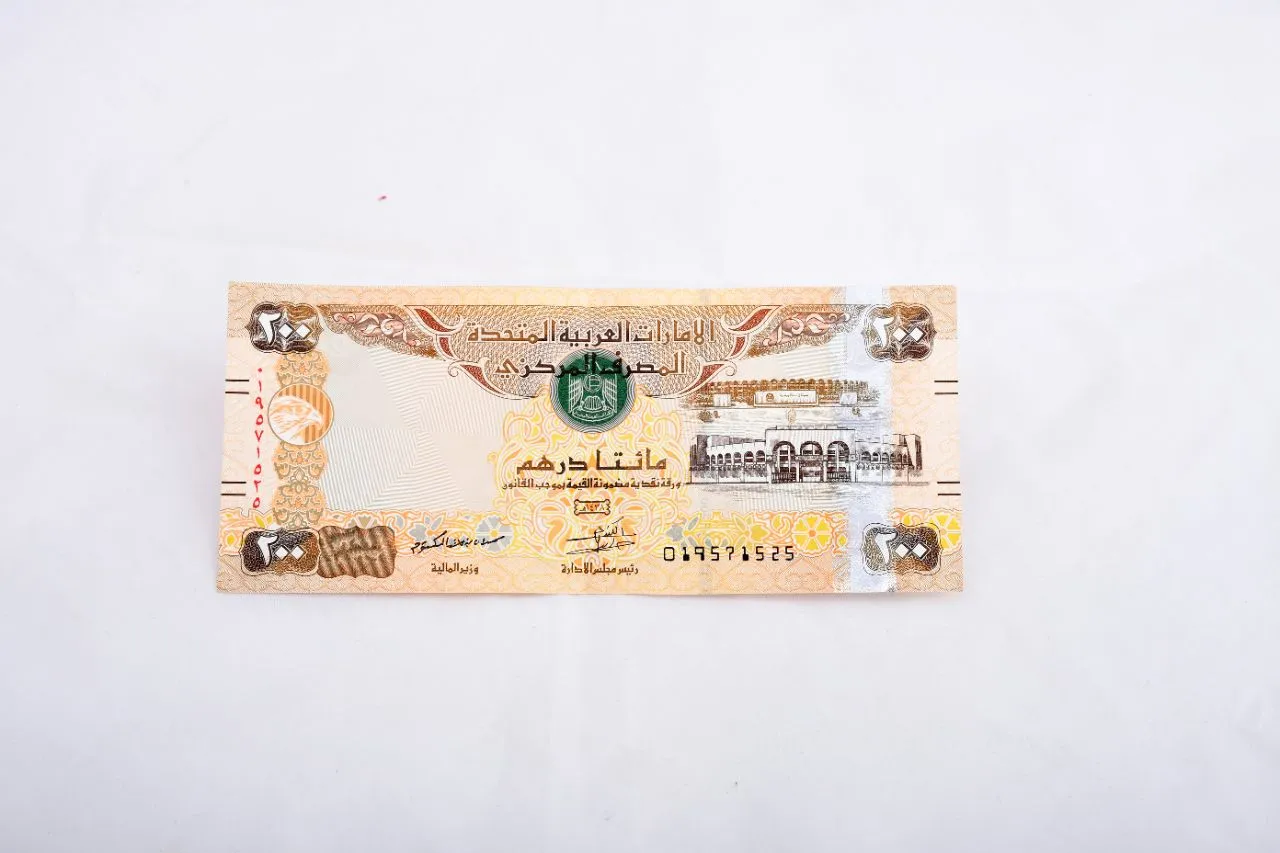
Wealthy investors in the United Arab Emirates (UAE) are warming to cryptocurrencies while largely bypassing traditional private banks, a new survey shows. The poll, conducted by Swiss wealth manager Avaloq and reported by CoinDesk, found that roughly four in 10 high-net-worth individuals in the country hold digital assets, though only about 20% used conventional wealth managers to make such allocations. The survey gathered responses from 3,851 investors and 456 wealth professionals.
https://asset.coinness.com/en/news/08e30cc0f3261d8e763c3c6d99f107ec.webp
Photo by Atikah Akhtar on Unsplash

A rising tide in crypto wealth

The findings land amid a broader run-up in crypto fortunes. Henley & Partners’ 2025 Crypto Wealth Report, published in September, estimates 241,700 crypto millionaires worldwide this year—about 40% more than in 2024. Even so, UAE respondents in Avaloq’s poll voiced caution, citing the market’s sharp swings as a primary deterrent.


Operational hurdles compound that wariness. Managing wallets, safeguarding private keys, and arranging custody remain friction points for would-be buyers. Among those who remain on the sidelines, Avaloq found that volatility topped the list of deterrents (38%), followed by limited understanding (36%) and distrust of trading platforms (32%).


Younger cohorts drive crypto uptake, advisor shifts

Family dynamics are increasingly driving crypto adoption. Younger members of ultra-wealthy households are introducing parents and grandparents to digital assets, Avaloq’s UAE survey found. Meanwhile, 63% of investors have either changed wealth managers or are considering doing so, often because they feel their questions about crypto are not being adequately addressed. Akash Anand, head of Middle East and Africa at Avaloq, described the moment as one of growing client curiosity met by a slow institutional response, prompting private banks to accelerate work on digital asset services.


Dubai’s growing role as a crypto hub will again be on display in December, when it hosts Binance Blockchain Week 2025. The two-day conference, slated for Dec. 3–4, features appearances by Binance co-founder Changpeng Zhao, Strategy Chairman Michael Saylor, Ripple CEO Brad Garlinghouse, and Solana Foundation President Lily Liu. A debate between Zhao and long-time crypto skeptic Peter Schiff on Bitcoin’s merits versus tokenized gold is also expected, after Zhao invited Schiff to participate via X.


Combined, the survey data and recent developments depict a UAE wealth market in the early stages of engagement with digital assets. While enthusiasm is building among younger investors and high-profile initiatives continue to draw attention, concerns about volatility and management complexity remain barriers to entry. The extent to which established wealth firms and new entrants can address those concerns will shape the next phase of the market’s growth.

 

More to Read
View All
Web3 & Enterprise·

Dec 04, 2023

Gumi joins XPLA mainnet as newest validator

Gumi joins XPLA mainnet as newest validatorJapanese gaming company Gumi has joined South Korean gaming corporation Com2uS Group’s layer 1 blockchain mainnet XPLA as a new node validator, according to an official announcement on XPLA’s Medium page on Monday (local time).Photo by Shubham’s Web3 on UnsplashEmpowering the XPLA ecosystemThrough this partnership, Gumi is expected to play a crucial role in enhancing transparency, stability and scalability as a validator in the XPLA ecosystem. The collaboration aims to explore new possibilities in blockchain technology and integrate them into the gaming industry, thereby maximizing the benefits for all participants in the ecosystem and connecting game developers with players.Over a decade of global impactSince its establishment in 2007, Gumi has been active in the Japanese and global markets, engaging in various mobile gaming and blockchain projects. Recently, the company has not only been involved in the production of and investment in Web3 games but also operates as a key node operator in multiple blockchain projects. By working with Gumi, XPLA anticipates solidifying its position as a global Web3 gaming industry leader and expanding its influence in the Japanese Web3 market.“Through this partnership, we will gain insights into the Japanese market and strive to create a more reliable ecosystem,” said Paul Kim, leader of the XPLA team.Fortifying trust and redefining the Web3 landscapeXPLA’s validators are responsible for verifying the integrity of the blockchain, analyzing on-chain data to improve operations and ensuring the security of the XPLA ecosystem. By passing a proposal to increase the number of validators from 50 to 80 this year, XPLA aims to create an environment that accommodates more validators, thus building a more robust and trustworthy ecosystem.XPLA is an L1 mainnet that hosts numerous Web3 companies like Oasys, Animoca Brands, YGG, Blockdaemon, Cosmos Station and LayerZero as participants. It has onboarded multiple IP-based hit games like Summoners War: Chronicles, Minigame Party, Ace Fishing: Crew, Idle Ninja Online and The Walking Dead: All-Stars, effectively becoming a global Web3 content and gaming hub.

news
Markets·

Sep 29, 2023

Hong Kong’s HashKey Adds AVAX Trading

Hong Kong’s HashKey Adds AVAX TradingHashKey Hong Kong, the Chinese autonomous territory’s first licensed retail crypto exchange, has unveiled an addition to its platform with the launch of Avalanche (AVAX) trading.According to an announcement published to its website on Wednesday, HashKey has listed Avalanche on Thursday with the caveat that access to AVAX trading will be reserved for professional investors, as defined by Hong Kong’s Securities & Futures Commission (SFC).Photo by Wance Paleri on UnsplashAccessible to professional investorsTo meet the criteria as a professional investor in Hong Kong, individuals must possess an investment portfolio valued at a minimum of 8 million Hong Kong dollars, roughly equivalent to $1 million. This decision sets AVAX apart from other widely traded cryptocurrencies, such as Bitcoin and Ether, which remain accessible to retail investors in Hong Kong. While Tether (USDT) enjoys retail status, the majority of altcoins on HashKey will remain the preserve of professional investors.This move is a direct result of the SFC’s proactive stance on regulating the rapidly expanding crypto market in Hong Kong. Since the introduction of regulated retail crypto trading in the Chinese autonomous territory in August, the SFC has imposed rigorous requirements on exchanges. HashKey mandates users to deposit a minimum of 10,000 Hong Kong dollars or $1,500 into their exchange accounts as part of the Know Your Customer (KYC) verification process.Low trading volumeAmid these regulatory challenges, HashKey Hong Kong currently reports a 24-hour trading volume of approximately $5.3 million, significantly lower than its global peers. This lower trading volume suggests that stringent regulations may be affecting the exchange’s ability to attract retail investors effectively.The path to regulatory compliance in Hong Kong has been anything but smooth for crypto exchanges. Reports indicate that these platforms have collectively invested over $25 million in establishing the requisite infrastructure for obtaining a Hong Kong Virtual Asset Service Provider (VASP) license. It was reported earlier this year that crypto firms are forking out between $2.55 million and $25.5 million in order to secure a VASP trading license.Despite the challenges, HashKey is looking at various avenues in bringing its offering forward. Earlier this month the firm signed a memorandum of understanding (MOU) with insurer OneDegree. That collaboration could be significant as it should lead to the assets of HashKey users being protected and insured on the platform. That would solve a major issue for participants in the crypto space amid the backdrop of ongoing platform failures and hacks.JPEX collapseEven as regulatory efforts intensify, the crypto industry in Hong Kong has not been impervious to bad actors. The recent collapse of the JPEX crypto exchange earlier this month serves as a stark reminder of the ongoing risks associated with the industry. Described as the largest financial fraud in Hong Kong’s history, JPEX faced allegations of embezzling over $178 million of investors’ funds. Notably, JPEX was operating without SFC registration at the time of the alleged embezzlement.In response to such incidents, the SFC has taken proactive measures by publishing a warning list of crypto exchanges considered non-compliant within the Chinese autonomous territory.

news
Web3 & Enterprise·

Aug 11, 2025

Animoca Brands & Standard Chartered form Anchorpoint in Hong Kong

Animoca Brands, a company focused on Web3 and metaverse projects, has gotten together with the Hong Kong subsidiary of British banking giant Standard Chartered to establish Anchorpoint Financial Limited.In a press release published to its website on Aug. 8, Animoca Brands outlined that the joint venture company has been established with the objective of building a business model that will concern itself with the issuance and advancement of licensed stablecoins. The move follows Hong Kong’s Stablecoins Ordinance, which went live on Aug. 1.Photo by Andres Garcia on UnsplashHKT involvementThe partnership also involves Hong Kong Telecom (HKT), one of the largest telecommunications companies in Hong Kong. This collaboration is not something that has just been formed. The trio had been participants in a regulatory sandbox related to stablecoin issuance established by the Hong Kong Monetary Authority (HKMA) in 2024.  Back in February, it emerged that the three companies had entered into an agreement to establish a joint venture with a view towards applying to the HKMA for a license to cover the issuance of a Hong Kong dollar-pegged stablecoin. By June, the companies had formed that company. Applying for a licenseAnchor Financial has already informed the HKMA of its intention to apply for a stablecoin license. A recent Bloomberg report asserted that somewhere in the region of 50 companies have expressed an interest in obtaining stablecoin licensing in Hong Kong. However, the regulator is likely to issue no more than 10 licenses. Additionally, disclosure by the HKMA of strict customer identification rules related to the city’s new Stablecoins Ordinance has sparked concern among industry stakeholders. Know-your-customer (KYC) rules will put an onus on stablecoin issuers in Hong Kong to verify the identity of every stablecoin holder. Bo Tang, head and assistant director at the HKUST Institute for Financial Research, told Reuters that the rules were “a bit too strict and not good for acquiring users.” Ricky Xie, a crypto trader based in Hong Kong, pointed out that these KYC rules aren’t just for those who would hold accounts with the stablecoin issuer, but instead they will apply to every stablecoin holder. A number of Hong Kong stablecoin-concept stocks, that had been performing well in the market, fell by as much as 20% when these stringent rules were disclosed by the HKMA. Evan Auyang, group president of Animoca Brands, expressed contentment with Animoca’s partnership with HKT and Standard Chartered Bank (Hong Kong), while adding:”Stablecoins represent one of the most compelling use cases within Web3, and we believe we are still at the early frontier of widespread adoption across institutions and retail alike. As assets continue to move on-chain, the HKMA-regulated fiat-referenced stablecoin is important in reinforcing Hong Kong’s position as a leading international financial center.” The first stablecoin licenses are expected to be issued by the HKMA early next year.

news
Loading