Top

Hong Kong advances tokenization as institutions continue building amid market pullback

Policy & Regulation·November 19, 2025, 6:07 AM

Hong Kong last week entered the pilot phase of Project Ensemble, an initiative focused on developing infrastructure for a tokenized market and creating a sandbox where institutions can test blockchain systems in real business environments.


Set to run through 2026, the pilot involves the Hong Kong Monetary Authority (HKMA), several banks, and other industry participants. Its early work will examine how tokenized deposits can be used in money market fund transactions and how these tools might support real-time liquidity and treasury management.


Interoperability key to tokenization

Commenting on the development, Hong Kong Securities and Futures Commission (SFC) CEO Julia Leung said, “To scale tokenisation of investment products, interoperability is key.” She added that the measure announced on Nov. 13 by the HKMA “will gradually allow interbank settlement of tokenised deposits in real time 24/7.”

https://asset.coinness.com/en/news/5634fc55537302829b760d3b3ca0af51.webp
Photo by Ibrahim Rifath on Unsplash

Following the HKMA’s announcement, Ant International, the global arm of Ant Group, revealed that it is joining Project Ensemble’s Architecture Community. As part of this digital finance effort, Ant International will help design and advance the tokenization ecosystem in the special administrative region, contribute to defining industry standards, and support broader industry adoption.


Corporate initiatives in digital finance

Separately, Ant International also signed a memorandum of understanding with Swiss bank UBS to explore new opportunities in tokenized deposits, leveraging Ant’s blockchain platform Whale. Under this partnership, UBS Digital Cash, a blockchain-based payment solution developed by UBS, will be used to support Ant International’s global treasury operations.


Young Jin Yee, Co-Head UBS Global Wealth Management Asia Pacific and Country Head UBS Singapore, said the collaboration with Ant aims to achieve “a real-time, multi-currency payment solution that sets standards for transparency and efficiency.”


Hong Kong has been seeing a noticeable pickup in crypto-related activity more broadly. According to a post on X by Unfolded, AMINA, a Swiss-regulated institution, is now the first international banking group to roll out full crypto trading and custody services in Hong Kong.


Adding to this momentum, companies are stepping up their Bitcoin accumulation. In its third-quarter results announcement, Boyaa International, a Hong Kong–listed firm specializing in online card and board games, reported a quarter-over-quarter increase of 738 Bitcoin. As of Sept. 30, its total holdings stood at 4,091 Bitcoin at an average cost of about $68,114 per coin.


Adoption trends and market contraction

This push into the crypto sector aligns with broader digital asset adoption across Asia. A recent survey by CoinDesk and Protocol Theory of 4,020 individuals aged 18 to 64 in 10 Asian countries found potential crypto ownership of around 25% among respondents with internet access. The survey also noted that roughly half of adults familiar with crypto plan to use it within the next year or so.


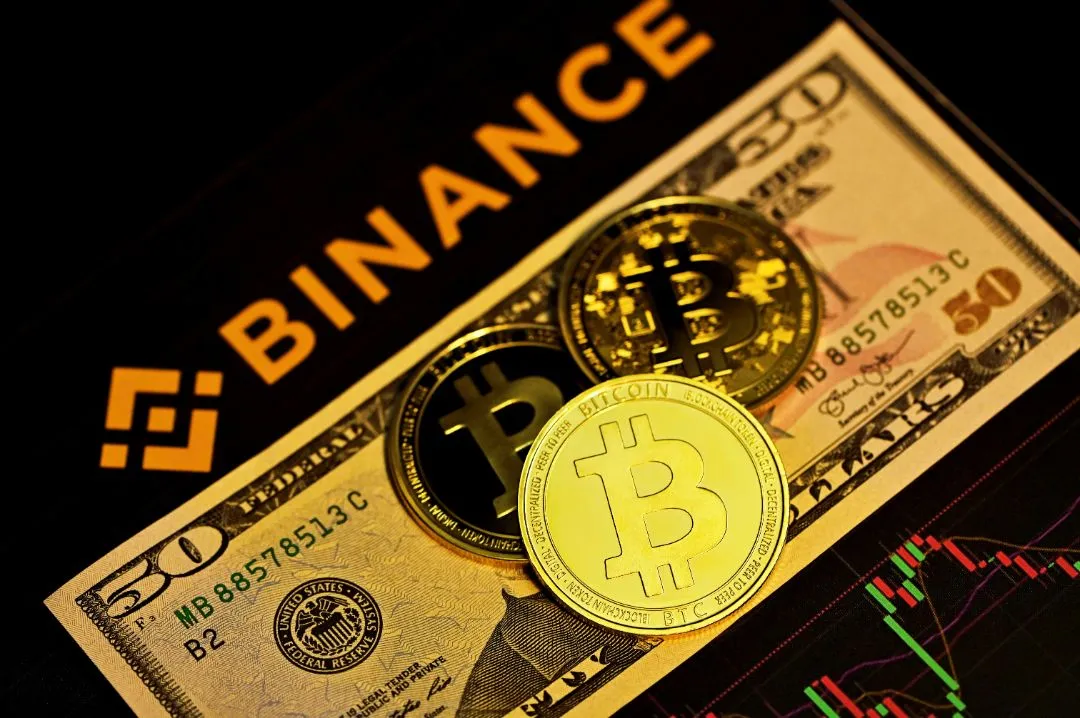
Despite the uptick in activity and interest, the market itself is currently in a downturn, with Bitcoin falling below the $90,000 mark on Nov. 18 for the first time since April 22. Analyzing the move, CoinDesk’s Omkar Godbole said Bitcoin looks oversold, as the 14-day relative strength index (RSI) has slipped under 30, indicating the drop may be steep enough to trigger a pause or a possible rebound.


Godbole drew a parallel with price action earlier in the year, noting that February was the last time the RSI fell below 30, when Bitcoin was trading under $80,000. After that decline, the market bottomed out at around $75,000 in April, a pattern that traders may be watching closely as they assess the current pullback. At the time of publication, Bitcoin was trading around $90,400 against USDT on Binance.

 

More to Read
View All
Policy & Regulation·

Nov 24, 2023

Alchemy Pay scores second money services license in United States

Alchemy Pay scores second money services license in United StatesAlchemy Pay, the Singaporean crypto-fiat payment services provider, is solidifying its presence in the United States, with the acquisition of a money services license in the state of Iowa.Photo by Austin Goode on UnsplashU.S. licensing driveThis expansion, announced on Thursday, aligns with the company’s strategy to navigate the U.S. regulatory landscape and enhance compliance with local requirements. This recent acquisition follows Alchemy Pay’s earlier achievement of a money transmitter license (MTL) in Arkansas in September. The company has not only completed the application process for MTL licenses in additional U.S. states but also expects responses in the coming months.Under the regulatory framework of Iowa, entities or individuals engaged in currency exchange or money transmission must obtain a money services license. In an interview with Cointelegraph, Alchemy Pay Ecosystem Lead Robert McCracken highlighted the Singaporean company’s commitment to a well-structured regulatory environment. McCraken stated:“We believe that a well-structured regulatory environment is essential for the sustainable growth and development of any industry, and that includes the fiat-crypto payment industry.”Despite the challenges posed by the evolving regulatory landscape in the U.S., McCracken affirmed the company’s dedication to seeking licenses and upholding compliance standards as it expands operations. He described this approach as “more challenging but ultimately correct” for ensuring the long-term success of the crypto payment industry.Global market expansionIn addition to its U.S. endeavors, Alchemy Pay is actively pursuing license applications and market expansion opportunities globally, including in the United Kingdom and Hong Kong. The firm operates in 173 countries already, facilitating transactions through various payment methods, including Visa, Mastercard, regional mobile wallets and domestic transfers.In April, the company secured $10 million in funding from Singaporean venture fund and market maker DWF Labs, with a view towards expanding the business in South Korea. The following month, it enabled a rupee-denominated on-ramp, integrating with India’s UPI real-time payments system. In July, it partnered with well-known payments processor Checkout.com, integrating its Visa and Mastercard channels into its on and off-ramps.ICP collaborationThe collaborations and partnerships keep coming with Alchemy Pay and with that, on Wednesday it announced a strategic partnership with the Internet Computer (ICP) smart contract platform.That collaboration will see the listing of ICP, Internet Computer’s native token, on Alchemy Pay’s fiat on-ramp. This is the latest in a line of collaborations the crypto payments gateway has made with layer one and two blockchain network projects, including Polygon, Avalanche, Algorand and Arbitrum.These latest strategic expansions align with the company’s vision to establish a strong global presence while navigating and contributing to the ongoing evolution of crypto regulatory frameworks. Currently, comprehensive regulations for the entire crypto industry in the U.S. are under consideration by regulators, reflecting the dynamic nature of this rapidly evolving sector.

news
Web3 & Enterprise·

Dec 06, 2023

Binance Japan now fully operational

Binance Japan now fully operationalGlobal cryptocurrency exchange Binance has officially commenced full operations in Japan through its locally incorporated Japanese entity, Binance Japan.Photo by Sora Sagano on UnsplashSetting off on a compliant footingFollowing a period of collaboration with regulatory authorities, Binance Japan is positioning itself firmly under the purview of clear regulatory frameworks set by the Japanese authorities.The Japanese government has instituted stringent regulations for cryptocurrency exchanges, aiming to bolster consumer protection, thwart money laundering and create a more secure trading environment. Binance Japan’s decision to align itself with these regulations comes in a year in which the leading crypto platform has encountered regulatory pushback in a whole host of jurisdictions around the world.Under the established regulatory framework, cryptocurrency exchanges in Japan are mandated to secure a license from the Financial Services Agency (FSA), the nation’s financial regulatory body. This licensing process ensures that exchanges adhere to rigorous security measures, maintain robust internal controls and implement protocols for the protection of customers.Phased market entryIt emerged back in May that the company planned to establish a separate Japanese entity. In August Binance Japan started to offer a limited service, enabling access to 34 token listings. In November the firm added 13 further digital assets, with the suggestion that it would eventually offer 100 tradable digital assets.Taking to the X social media platform on Sunday, Sota Watanabe, the founder of Polkadot-centric multichain dApp hub Astar Network and the CEO of Singapore-based Startale Labs, confirmed that Binance Japan is now in full operation. Watanabe wrote:”Binance Japan started its full operation yesterday under clear regulations set by the government, and they have listed Astar from day 1 as one of the first cryptos. I hope more and more Japanese people enter our ecosystem.”Focus on stablecoinsIn a virtual business discussion at the end of August, Head of Binance Japan, Takeshi Chino, set out the company’s vision going forward. Part of the business plans includes potential collaborations on the development of stablecoins. Further news on that pursuit became known the following month when Mitsubishi UFJ Trust and Banking Corporation (MUTB), the trust arm of Japan’s largest bank, announced a collaboration with Binance Japan that will investigate the issuance of public blockchain stablecoins denominated in the local currency, the Japanese yen, as well as other fiat currencies.The full launch of Binance Japan signifies the increasing recognition of cryptocurrencies as a legitimate financial asset class. With a major global exchange like Binance willingly adhering to local regulations, it sets a positive precedent for other exchanges and entities in the region to follow suit.Furthermore, given Japan’s historical significance in the global cryptocurrency market, Binance’s operations in the country could contribute significantly to the broader acceptance and integration of cryptocurrencies into the financial ecosystem. This move aligns with the global trend of heightened institutional interest in digital assets.Binance Japan’s initiation of full operations within a clear regulatory framework marks a further stride forward for both the exchange and the Asian crypto market.

news
Web3 & Enterprise·

Dec 13, 2023

NEOPIN works with Japan’s Jasmy to develop RWA-based DeFi products

NEOPIN works with Japan’s Jasmy to develop RWA-based DeFi productsSingapore-headquartered centralized decentralized finance (CeDeFi) protocol NEOPIN has formed a strategic partnership with Jasmy, a Japanese developer specializing in blockchain-based Internet of Things (IoT) platforms. This collaboration represents a step in their joint effort to expand into the global blockchain market, with a particular emphasis on data assetization.Founded in 2016, Jasmy has a management team in which most have a background with tech conglomerate Sony. In contrast to the dominance of tech giants like Google, Apple, Meta and Amazon over data, Jasmy concentrates on achieving data democratization. This concept empowers individuals to have control over their own data. The growing Japanese firm is convinced that the integration of IoT and blockchain technology is the key to realizing this vision of data democracy.Notably, Jasmy has its native token called JasmyCoin. As a regulated virtual asset in Japan, it is listed on centralized exchanges like Binance, Coinbase, Kraken and KuCoin.Photo by Shubham Dhage on UnsplashReal-world assets and security tokensThrough this partnership, the two will explore joint business ventures involving real-world assets (RWAs) and security tokens. They plan to utilize their combined business networks to expand their ecosystems beyond Korea, Japan and the Middle East. NEOPIN will introduce DeFi products using its native token, NPT, and JasmyCoin. Additionally, NEOPIN will become a validator on Jasmy’s mainnet to support its growth.Their collaboration is poised to boost NEOPIN’s advancement into the Japanese market. NEOPIN has been actively pursuing expansion into Japan since its announcement in August. With the Japanese government advocating for Web3 initiatives, a rise in the creation of tokens from local projects is anticipated, leading to a growing demand for DeFi and wallet services.NEOPIN’s partnerships in JapanAs Japan’s digital asset landscape evolves, NEOPIN is actively working to increase its market share in the country. This effort includes a variety of strategies such as focusing on gaming, developing their mainnet, engaging in local marketing activities and launching DeFi products. NEOPIN has also previously announced partnerships with other entities in the Web3 space, including SBINFT, Lena Network and Rokubunnoni, as part of its broader strategy to strengthen its presence in the Japanese market.NEOPIN’s CEO, Ethan Kim, highlighted the company’s goal to lead in the global RWA market. In partnership with Jasmy, they aim to develop and showcase DeFi products related to RWAs and security tokens. NEOPIN is also committed to strengthening its position in Japan by providing Japanese language support this year and actively forming alliances with promising Japanese blockchain enterprises.Hiroshi Harada, CFO of Jasmy, acknowledged NEOPIN’s proven expertise in the Korean market and expressed enthusiasm about the collaboration between the two companies in the blockchain sector. Harada said that their joint efforts will focus on building networks, developing use cases and expanding the market.

news
Loading