Top

Indian Crypto Exchange CoinDCX Implements Workforce Reduction

Policy & Regulation·August 23, 2023, 1:51 AM

Indian cryptocurrency exchange CoinDCX has recently taken the step of reducing its workforce by approximately 12%.

The strategic move was announced by way of a statement from CoinDCX founders Sumit Gupta and Neeraj Khandelwal, published to the firm’s website on Tuesday. The cutback is being made in response to the prolonged bear market and the consequences of India’s Tax Deducted at Source (TDS) policy on domestic exchanges.

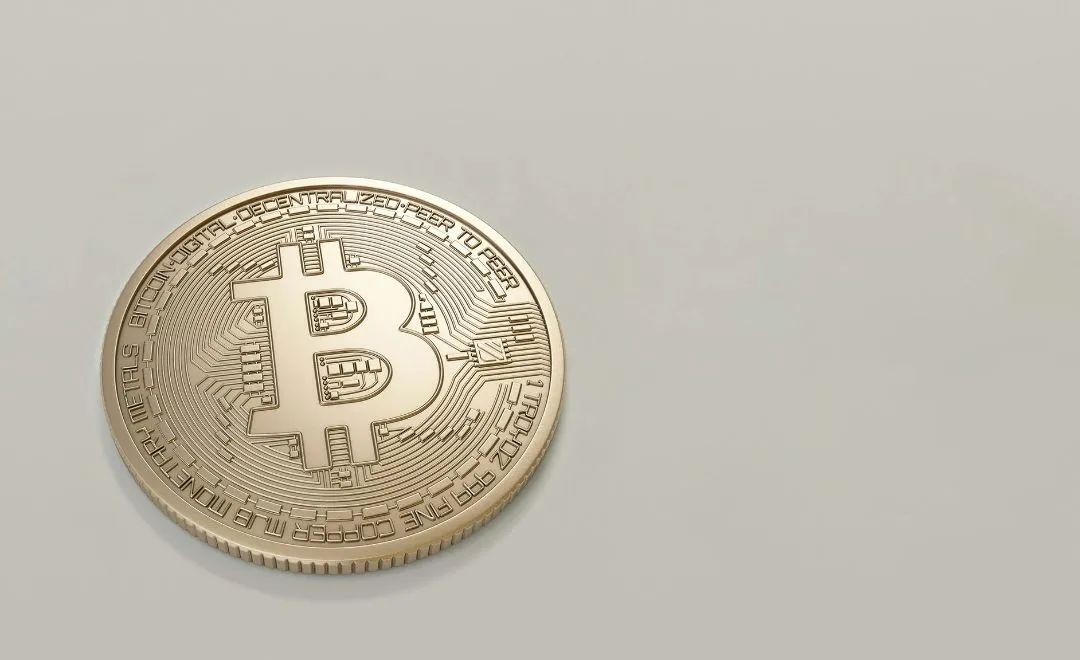
Photo by Hardik Joshi on Unsplash


Macroeconomic and crypto market headwinds

Gupta and Khandelwal described the decision that they’ve taken as being challenging, although they outlined that it was taken with a view toward steering the business to profitability and sustainability amidst trying macroeconomic conditions in the crypto sector.

The company has encountered significant headwinds due to the overall tough conditions in the crypto market. These challenges have resulted in decreased trading volumes and revenues for CoinDCX. In light of these circumstances, the company has determined that resizing specific teams within the organization is necessary in order to secure the viability and long-term growth of the operation.


71 jobs cut

Approximately 71 employees are being affected by the workforce reduction, out of CoinDCX’s total workforce of around 590 based in Mumbai. To mitigate the impact on these employees, the company has implemented a support package aimed at providing comprehensive assistance during this transition.

This package includes severance pay equivalent to the full notice period, an extra month of salary, compensation for variable pay and incentives, encashment of unused leave days, extension of health insurance and wellness benefits, and access to counseling support.

In spite of the necessity for workforce reduction, CoinDCX’s outlook on the Indian market remains optimistic. The company remains steadfast in its commitment to driving crypto and Web3 adoption to a target of 50 million individuals by 2025.


No further reduction plans

The founders emphasized that this reduction is a unique, targeted action and that they have no further plans for team reductions. They claim to have engaged in thorough discussions with senior leaders within the company to ascertain the best path forward, with a commitment to overcoming challenges and reinforcing the company’s foundation.

In spite of this setback CoinDCX maintains that its vision is intact, encompassing a presence not only in the Indian market but also further afield.


Industry trend

CoinDCX’s current struggle has been mirrored by a plethora of leading crypto exchanges over the course of recent months. In July, it emerged that Seychelles-based Kucoin was cutting jobs although the firm’s CEO asserted that it wasn’t a layoff plan and more so a reevaluation of the organization’s structure.

Earlier that month, Thai digital asset exchange Bitkub cut its headcount in an effort to manage costs during this period of challenging market conditions. Recently, leading global crypto exchange Binance announced one thousand job losses while stating that more jobs may be cut in the future.

The decision made by CoinDCX underscores the broader struggles that startups and businesses within the crypto space face. With the bear market’s impact and regulatory pressures, companies are being compelled to make difficult choices in pursuit of long-term sustainability.

More to Read
View All
Web3 & Enterprise·

Jul 25, 2023

Top Korean Crypto Exchanges Witness Surge in Listings and Delistings During H1

Top Korean Crypto Exchanges Witness Surge in Listings and Delistings During H1In the first half of this year, South Korea’s top five cryptocurrency exchanges experienced notable growth in the number of newly added cryptocurrencies to their platforms. However, they also observed a significant surge in the number of cryptocurrencies being delisted.Photo by Shubham Dhage on UnsplashDelisting and listingAccording to a report by local news outlet Etoday, the nation’s five leading exchanges Upbit, Bithumb, Coinone, Korbit, and Gopax ceased trading for a total of 51 cryptocurrencies during the first six months of this year. This marked an 88% increase compared to the 27 cryptocurrencies delisted in the previous six-month period. During the first half of last year, the number of delisted tokens was 48.Among the five exchanges, Coinone took the lead by delisting the highest number of cryptocurrencies, totaling 24. Bithumb followed with 14 delisted tokens, Gopax with six, Upbit with five, and Korbit with two. Notably, Coinone continued its delisting spree this month, removing an additional five cryptocurrencies from its platform. Most cryptos were delisted because their projects and services were not operating normally.The significant number of delisted tokens at Coinone appears to be linked to the involvement of its former employees in the unlawful listing of certain tokens. These individuals reportedly received bribes in exchange for listing a total of 46 cryptocurrencies on the trading platform. Among these tokens were PICA and PURE, which are no longer traded on the exchange.Only five cryptocurrencies were delisted according to the decision made by the Digital Asset eXchange Alliance (DAXA), a self-regulatory group consisting of the aforementioned five crypto exchanges. The delisted tokens were REP, BASIC, OMG, SRM, and PCI. This indicates that most of the affected cryptocurrencies were exclusively traded on one of the DAXA member exchanges, indicating that DAXA’s listing and delisting guidelines were largely ineffective.Meanwhile, there has been a notable surge in the number of newly added cryptocurrencies. Bithumb, for instance, took the lead by listing an impressive 63 new tokens, nearly three times the number listed by Upbit (22). In the same vein, Coinone added 14 tokens, while Korbit and Gopax followed with six and three new listings, respectively.Profit squeezeLast year, crypto trading platforms adopted a conservative approach when it came to listing and delisting procedures, prioritizing investor protection. However, their stance shifted as the global crypto market encountered a significant decline in trading volume amid crypto winter. This decrease in trading activity subsequently led to reduced operating profits, compelling the platforms to list more cryptocurrencies.With the exception of Upbit, which maintains a dominant market share in the nation, the outlook on crypto exchanges appears more or less grim. In particular, Coinone, Korbit, and Gopax are in the red. Bithumb, while still in profit, saw its operating profit last year falling 80% year-over-year to 163.5 billion KRW ($127.9 million). This trend continued this year, with Bithumb’s operating profit In the first quarter of this year recording 16.2 billion KRW, an 80% decrease compared to the same period last year.In light of this development, an industry insider, who wished to stay anonymous, told Etoday that while the market’s total trading volume is witnessing a considerable decline, Upbit’s dominance is still growing. This individual also noted that the decrease in trading volume and the resulting deficit are exerting pressure on exchanges to expand their cryptocurrency listings.

news
Web3 & Enterprise·

Dec 02, 2023

Alchemy Pay extends market reach through two new industry alliances

Of all the crypto startups bootstrapping their way forward in 2023, few have forged as many industry partnerships as Singapore-based fiat-crypto payment solutions provider Alchemy Pay. This week brought two more collaborative developments for the fledgling company.Photo by Erika Fletcher on Unsplash Trust Wallet partnershipAlchemy Pay has entered into a strategic alliance with Trust Wallet, a self-custody and multi-coin wallet project headquartered in San Francisco, boasting over 70 million users. The collaboration empowers users to seamlessly engage in crypto transactions with various fiat payments directly within Trust Wallet.According to a press release published by the company on Wednesday, the integration not only enhances the user experience but also provides more on and off-ramp solutions. With that, it potentially lowers the entry barrier for retail users and aids acceleration of the adoption of Web3.Trust Wallet users can now convert between crypto and fiat using a multitude of international and local payment methods which are enabled by Alchemy Pay from within the wallet. The platform supports over 30 fiat currencies and accommodates transactions involving numerous cryptocurrencies across more than 100 blockchains.Robert McCracken, the Ecosystem Lead at Alchemy Pay, expressed pride in the partnership, emphasizing the commitment to ensuring a smooth, compliant and secure user onboarding process for fiat on-ramp and crypto off-ramp. The collaboration aims to make comprehensive on and off-ramp support available to the global user community.Nate Zou, Trust Wallet’s Product Lead, was similarly enthused, stating:“We’re excited to offer more fiat solutions for our users by working with Alchemy Pay, making crypto more accessible than ever. This opens up new buying options for our global user base and introduces lower fees and more convenient payment methods while maintaining full ownership of their assets.” Enabling UK and Euro paymentsNot resting on that single collaboration, in a separate development Alchemy Pay has introduced new payment options, including the euro instant solution, Single Euro Payments Area (SEPA) Instant and the U.K. fast money transfer option, Faster Payments. According to details of these additions published to the Alchemy website on Thursday, the aim is to simplify the process of purchasing cryptocurrencies like Bitcoin, with transfers being processed in seconds to within a few minutes.SEPA Instant allows European Alchemy Pay customers to buy cryptocurrency up to 5,000 euros ($5,460), while Faster Payments, available in 30 European countries and the U.K. after Know Your Customer checks, has a transfer limit of up to 5,000 British pounds ($6,320). These options complement existing local payment channels, such as the Polish Blik payment system, Bancontact, Skrill and others.The announcement emphasized that this expansion of payment channels throughout Europe signifies Alchemy Pay’s growing influence and market reach.Notably, the platform recently acquired licenses in the United States, including Iowa and Arkansas. It has stated that other such state license applications are in the works, with the company expecting further licensing awards to be announced in the coming weeks. The firm also expanded its operations in Indonesia and Lithuania in February 2023.As Alchemy Pay actively broadens its payment services worldwide, the partnership with Trust Wallet and the enabling of Euro area and UK payments contributes to its mission of making crypto transactions more accessible and user-friendly on a global scale.

news
Web3 & Enterprise·

Sep 05, 2023

Hashed CEO Emphasizes South Korea’s Potential to Lead Mass Adoption of Web3 in Asia

Hashed CEO Emphasizes South Korea’s Potential to Lead Mass Adoption of Web3 in AsiaSimon Kim, CEO of Asian blockchain investment firm Hashed, highlighted South Korea’s potential to pioneer the mass adoption of Web3 during his keynote speech on Tuesday at Impact, the main conference of Korea Blockchain Week 2023 held at the Shilla Hotel in Seoul.“Korea possesses the strength to lead despite its small size,” he said. “The country will serve as the turning point for Web3.”Photo by Daniel Bernard on UnsplashTech trailblazerKim elaborated on the unique characteristics of Korea’s Web3 ecosystem, citing the so-called “kimchi premium” phenomenon, where cryptocurrencies in Korea are valued higher than other global exchanges, as well as the country’s role in leading altcoin price fluctuations and bull markets.Furthermore, Korea also has one of the world’s fastest and most widespread high-speed Internet networks, with nearly 100% coverage and a smartphone penetration rate exceeding 97%.According to Kim, digital natives are the driving force behind many inventions that have marked the country as a longstanding hub of innovation and digitization. Among these inventions is the world’s first online game, The Kingdom of the Winds, and the world’s first avatar-based social platform Freechal, as well as the pioneering e-sports league StarCraft League and game item trading platform itemBay.In particular, Freechal can be deemed as a forerunner to the current trend of using non-fungible tokens (NFTs) as profile pictures on social media. itemBay also serves as the precursor to both virtual asset and NFT exchanges. These types of early ventures are inextricably linked to the rise of cryptocurrency exchanges.Kim went on to underscore Korea’s prowess in the gaming industry, mentioning popular games like Dungeon Fighter Online, MapleStory, and PlayerUnknown’s Battlegrounds (PUBG). He noted that many local game developers have already established Web3 studios and are actively preparing to transition to the world of Web3 gaming. The K-pop industry has also been incorporating Web3 technology in various projects.Merging hemispheresHashed has been actively investing in projects since 2016, with over 150 projects in its extensive portfolio. Of these projects, approximately 71% of those based in Western countries are related to infrastructure, while 67% of those based in Eastern countries are related to digital content and apps. The company ultimately aims to serve as a bridge connecting the East and West by acting as a network builder to facilitate this exchange, Kim said.

news
Loading