Top

Xsolla and Crypto.com Collaborate on Gaming Industry Payment Solution

Web3 & Enterprise·August 10, 2023, 12:49 AM

Xsolla, a well-known American company in video game commerce, has joined forces with Singapore-headquartered crypto platform, Crypto.com, to unveil an innovative partnership.

The crux of this collaboration, which was announced via a press release published on Tuesday, lies in the seamless integration of Crypto.com’s cutting-edge checkout solution into Xsolla’s Pay Station platform.

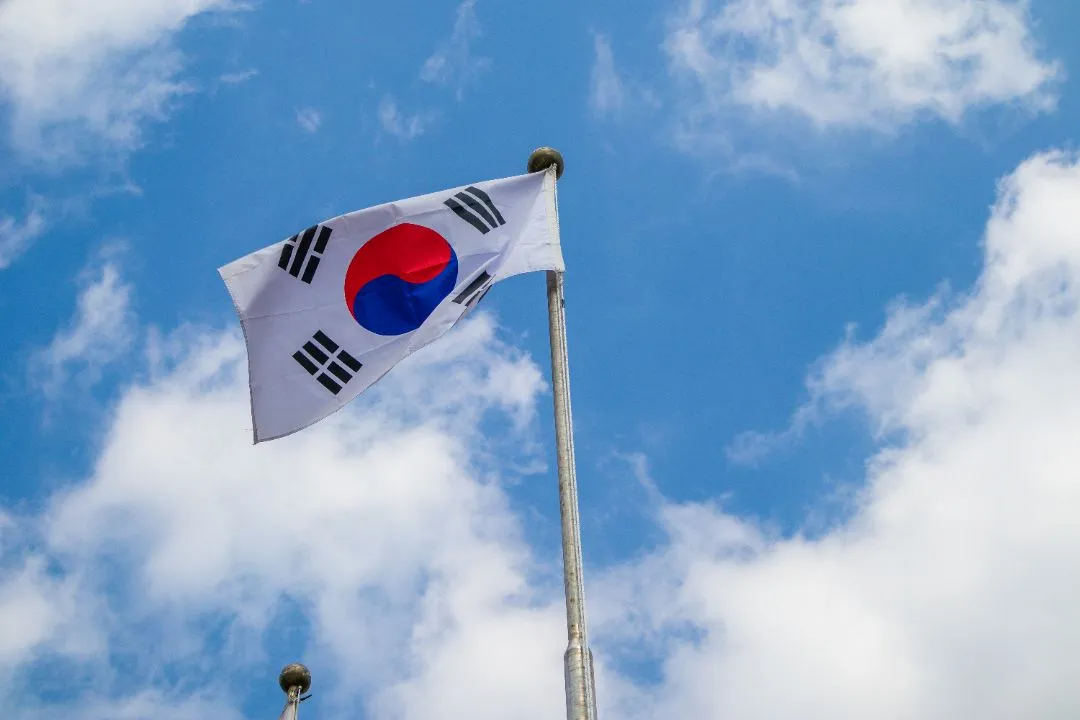
Photo by Andrey Metelev on Unsplash


Setting the stage for crypto payments

The integration marks a significant stride forward for the gaming industry, ushering in new frontiers for both game developers and players. The collaboration sets the stage for the acceptance of cryptocurrency payments and the optimization of transactions within a secure and user-friendly environment, attempting to elevate the overall gaming experience to new heights.

In an era dominated by digital payment methods, this development promises players a diversified array of transaction options, harmonizing with the digital and metaverse landscapes. Additionally, this collaboration stands as a milestone for Crypto.com’s endeavor to establish a strong foothold and network within the gaming realm.

Eric Anziani, President and COO of Crypto.com, highlighted the immense potential lying at the crossroads of gaming and Web3. “By joining forces with a global gaming titan like Xsolla and harnessing our collective assets and expertise,” Anziani stated, “we are concretizing this potential, empowering developers, publishers, and players to seamlessly participate and create value within the crypto economy.”

Xsolla’s Pay Station, renowned for enabling in-game purchases across over 200 regions using an array of compliant payment providers, is poised for an exciting evolution with the impending integration of Crypto.com Pay. This upcoming synergy promises a wider horizon for developers and publishers, enabling them to tap into diverse player demographics and access vibrant markets and novel revenue streams.


Integration of Crypto.com Pay

Chris Hewish, CEO of Xsolla, expressed his enthusiasm for the partnership:

“Our collaboration with Crypto.com is a remarkable milestone, especially with the substantial integration of Crypto.com Pay into our Pay Station platform. As the gaming landscape evolves rapidly, our adaptability becomes paramount. The integration of cryptocurrencies as a mode of payment offers game developers and players an ingenious payment solution in harmony with the global shift toward digital currencies.”

The alliance has the potential to be impactful within the gaming industry, heralding a paradigm shift toward an all-encompassing and secure gaming ecosystem. Patrick Yoon, General Manager of Crypto.com Korea, added to the sentiment, expressing eagerness for the future:

“Our journey with Xsolla marks a crucial stride, kickstarting a broader collaborative venture in Korea and on the global stage. We eagerly anticipate our ongoing collaboration with Xsolla in propelling payment ecosystems and digital asset adoption forward.”

Blockchain and crypto-based projects have been slowly making greater in-roads into the enormous gaming market. That has manifested itself through the inclusion of blockchain within games themselves and, as in this instance, through the integration of crypto-based payments.

As Xsolla and Crypto.com meld their strengths, the gaming industry braces itself for an era of inclusive and secure payment solutions with a promise to redefine the gaming experience.

More to Read
View All
Policy & Regulation·

Jan 10, 2024

Report finds Asian nations strengthening regulatory oversight of crypto

In a global effort to bolster regulatory control over the cryptocurrency sector, Asian nations feature prominently among 17 jurisdictions globally, who have implemented tighter cryptocurrency regulations in 2023. That’s the view expressed by blockchain analytics firm TRM Labs in a report published on Monday.Photo by CARTER SAUNDERS on Unsplash2023 notable for regulatory tighteningThe increased scrutiny comes on the heels of several crypto meltdowns in 2022, including the collapse of major platforms like Terraform Labs, Celsius, BlockFi and FTX, resulting in a market rout that wiped out trillions of dollars in value. The subsequent year witnessed an extraordinary surge in regulatory measures globally, with governments prioritizing consumer protection in the volatile crypto space. TRM Labs' report indicates that the jurisdictions strengthening consumer protection measures accounted for 80% of the 21 studied, representing 70% of global exposure to cryptocurrencies. As the crypto ecosystem grappled with the aftermath of the FTX collapse at the beginning of 2023, regulatory actions surged, shaping a transformative year for the industry. The TRM Labs report emphasizes that nearly half of the jurisdictions tightening crypto regulations in 2023 prioritized increasing consumer protection measures. Additionally, international organizations, including the G20, Financial Action Task Force, Financial Stability Board, International Monetary Fund and the International Organization of Securities Commissions, played a role in shaping global frameworks and policy recommendations for cryptocurrency regulation. While prominent regulatory moves included the European Union's implementation of the Markets in Crypto Assets Regulation (MiCA) in June, Asian countries were particularly active in rolling out regulatory controls and measures relative to digital asset markets.  Stronger measures in SingaporeSingapore, recognized as an early adopter of crypto regulation, took significant steps in November to curb retail speculation in cryptocurrencies. The city-state’s central bank and financial regulator, the Monetary Authority of Singapore (MAS), brought in these restrictions following a year-long public consultation process, together with a review of cryptocurrency platforms. The country set itself apart from other jurisdictions by becoming one of the first to finalize rules governing stablecoins. That regulatory action included the establishment of a comprehensive framework relative to stablecoin operations. South Korea and Australia increased scrutiny of the cryptocurrency sector, contributing to the global trend of regulatory tightening. Hong Kong licensingHong Kong introduced a new licensing regime for centralized crypto exchanges, aligning with its goal to become a global hub for virtual asset businesses. Following its major initiative in October 2022 to support the virtual asset sector, it has since implemented a mandatory licensing regime for centralized crypto exchanges, allowing them to accept retail investors. Eleven companies, including OKX, one of the largest exchanges by trading volume, have submitted applications for the license in the city. In December, Hong Kong followed Singapore’s lead, by proposing stringent rules for stablecoin issuers, prohibiting unlicensed companies from selling stablecoins to the city's retail investors through regulated channels or actively marketing their tokens within the city. These rules are considered challenging for stablecoin issuers and may potentially deter major stablecoin operators like Tether and USDC from entering the city, according to experts. As Hong Kong solidifies its regulatory stance, it positions itself alongside other major players, contributing to the global evolution of cryptocurrency oversight.

news
Policy & Regulation·

Apr 11, 2023

Korean Prosecutors Say Do Kwon and His Colleagues Knew Terra Was Unviable from the Beginning

Korean Prosecutors Say Do Kwon and His Colleagues Knew Terra Was Unviable from the BeginningKorean prosecutors claimed that Terraform Labs founder Do Kwon and the key members behind the Terra-LUNA crash were aware of the project’s unviability from the beginning, according to a file issued by the Seoul Southern District Court.©Terraform LabsTerraform Labs founders misleading Korean investorsTerraform Labs founders Do Kwon and Daniel Shin attracted 280,000 investors in Korea alone, claiming that the Terra stablecoin is a means of transaction, even though the company leaders had been notified by the financial authority that Terra-accepting businesses were impermissible. It is reported that during a search and seizure of the company, Korean prosecutors collected evidence that its employees shared such knowledge on their internal messaging system.Terra’s cross trading on crypto exchangesKnowing their cryptocurrency’s unviability, Terra executives registered its sister token LUNA for listing on major Korean crypto exchanges in May 2019. According to the Korean prosecution, they used a bot to create a trade volume of more than 800 million won in three domestic crypto exchanges by cross trading between 2019 and early last year.Cross trading is illegal in the stock market, as it is considered as an act of price manipulation, but LUNA was traded in crypto exchanges and it hasn’t been determined whether their token is a security or not. Under current Korean law, the court has to accept it as a security to punish those behind the Terra collapse.Shin’s denial of allegationsMeanwhile, Daniel Shin denied the prosecution’s allegations and argued that they had never received such a notice from the financial regulator.

news
Policy & Regulation·

Oct 06, 2023

Uzbekistan Revamps Crypto Mining with New Regulatory Framework

Uzbekistan Revamps Crypto Mining with New Regulatory FrameworkUzbekistan is ushering in a reset on its approach to cryptocurrency mining with the implementation of a new regulatory framework by the central Asian country’s National Agency of Perspective Projects (NAPP).Photo by Farhodjon Chinberdiev on UnsplashFocusing on solar powerThese freshly endorsed rules were announced earlier this week. They establish stringent guidelines for cryptocurrency mining operations within the country, reserving mining exclusively for registered legal entities and mandating the use of solar power.Under the sweeping regulations, individual miners are barred from participating in cryptocurrency mining activities, a move aimed at bringing structure and oversight to the expanding crypto mining sector within Uzbekistan’s borders.A key feature of the framework is the requirement for cryptocurrency miners to harness electricity generated by solar photovoltaic means. This environmentally conscious approach mirrors global endeavors to promote sustainability and clean energy sources in the crypto mining sector. Miners are also permitted to connect to the national electrical power grid, but only under specific conditions as outlined in the legislation.Safeguarding the power gridIn this respect, Uzbekistan is likely to be learning from the experiences of its northern neighbor, Kazakhstan. Following a ban on crypto mining in China in 2021, Kazakhstan suddenly became the second largest global center for Bitcoin mining. Unprepared for this eventuality, this mining activity caused major problems for the country’s power grid, resulting in blackouts and unrest.The NAPP underscores the necessity for mining operations and service providers to adhere to these newly established rules. To engage in cryptocurrency mining legally, entities must secure the requisite permits and licenses. These permits, valid for five years, come with strict reporting obligations, ensuring transparency and regulatory compliance.Moreover, cryptocurrency miners must prioritize the technical integrity of their electrical supply systems, emphasizing safety and reliability to prevent electrical accidents and maintain secure operating environments.In a bid to nurture a controlled and regulated cryptocurrency ecosystem, Uzbekistan’s crypto watchdog has already issued licenses to several entities, including a cryptocurrency exchange, a crypto depository, and ten other crypto trading platforms. Encouragingly, discussions have taken place with global exchanges like Binance, Huobi, and Bybit, signaling Uzbekistan’s ambitions to establish itself as a cryptocurrency hub.Ban on individual minersThe NAPP’s latest framework also outlaws the mining of anonymous cryptocurrencies designed to enhance transaction privacy, such as Monero (XMR). This measure aligns with international efforts to combat illicit activities linked to anonymous digital currencies.It’s worth noting that these new regulations represent the latest in a series of decrees by the Uzbek government, reiterating the ban on individual miners and the use of cryptocurrencies for domestic payments. Consequently, the full impact of these recent regulations on the nation’s cryptocurrency mining landscape remains to be seen.Uzbekistan’s decision to confine cryptocurrency mining to legal entities employing solar power reflects a growing understanding of the opportunity the activity provides to effectively exploit excess renewable power. In July, the President of eastern neighbor Kyrgyzstan put forward an ambitious project to use crypto mining to exploit the country’s hydro-electric power resources.

news
Loading