Top

Oman’s Regulator Invites Feedback on Virtual Asset Framework

Policy & Regulation·August 05, 2023, 1:12 AM

Progressing toward the establishment of its own virtual asset regulations, the Sultanate of Oman is embarking on a significant step by soliciting public feedback on its comprehensive framework.

The framework, which governs digital assets, is being developed by the Capital Market Authority (CMA) of Oman. The move reflects the country’s commitment to creating a robust regulatory environment for the virtual asset sector.

The CMA’s consultation paper, released last week, outlines the agency’s objectives in crafting this regulatory framework. It aims to provide a viable financing and investment avenue for issuers and investors while also addressing the inherent risks associated with the virtual asset class. Central to this initiative is the integration of business requirements and measures to prevent market abuse.
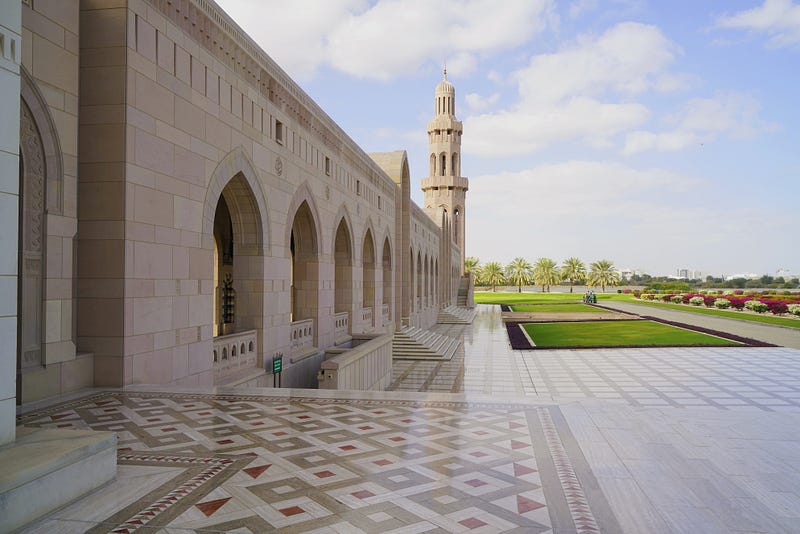
Photo by Niklas Weiss on Unsplash


26 key questions

At the heart of this regulatory endeavor are 26 crucial questions presented to industry stakeholders. Their valuable input will help shape the framework’s core components. These include provisions related to regulatory standards and licensing prerequisites for virtual asset service providers (VASPs), corporate governance, risk management, and the issuance of virtual assets.

The proposed framework, as disclosed in the consultation paper, encompasses a spectrum of digital assets. This spans utility tokens, security tokens, fiat-backed and asset-backed stablecoins, and other currencies adhering to the Financial Action Task Force’s (FATF) definition of virtual assets. However, a noteworthy proposal that has garnered attention is the potential prohibition of privacy coins issuance, a decision pending public feedback.

Aiming to reinforce accountability and stability, the CMA may mandate that VASPs establish a local presence in Oman through legally recognized entities and physical offices. Additionally, minimum capital requirements could be imposed on these entities. The envisaged framework may also stipulate that virtual asset firms maintain a low percentage of assets in hot wallets, conduct audits of safeguarded assets, and provide evidence of reserves.


Shaping regulation through feedback

With the consultation phase set to conclude on August 17, the public’s valuable feedback will shape the direction of Oman’s virtual asset regulations. The most salient viewpoints may find their place on the CMA’s official website. Following this consultation period, the CMA will proceed to finalize the regulatory framework.

Although the public announcement regarding the launch of a regulatory framework was made on February 14, Oman’s journey toward regulating the virtual asset industry began well before. In November 2020, the National Committee for Combating Money Laundering and Terrorist Financing initiated discussions on forming a task force.

Comprising officials from the CMA and the Central Bank of Oman, the task force explored whether to permit or prohibit virtual asset activities. Subsequently, in December 2022, consultants were engaged to facilitate the establishment of this new regulatory landscape.

The United Arab Emirates, and in particular, the individual emirates of Dubai and Abu Dhabi, have led the way in the Middle East in progressing a workable framework for the digital asset industry. Oman’s proactive approach is following the example set by its regional peer.

Shaping its virtual asset framework underlines its desire to foster innovation while ensuring the integrity of its financial landscape. Its latest effort in seeking public feedback is a positive development that should assist it in arriving at a progressive framework.


More to Read
View All
Web3 & Enterprise·

Aug 08, 2023

Upbit Seeks Recruits for Program to Foster Digital Asset Investment Culture

Upbit Seeks Recruits for Program to Foster Digital Asset Investment CultureUpbit, South Korea’s largest cryptocurrency exchange, announced Monday that it is recruiting participants for its second Up!To program, aimed at cultivating a robust digital asset investment culture and leading the era of Web3.Empowering students in the Web3 eraTouting the slogan “Build Your Own Block,” the program will involve various activities, including creating content related to digital assets and investor protection, producing and uploading promotional materials, generating ideas for Upbit’s services, and attending Upbit’s offline events.Photo by Mimi Thian on Unsplash“Through Up!To, university students will gain a comprehensive understanding of digital assets and blockchain,” said Lee Hae-bung, head of the Upbit Investor Protection Center.Program detailsThe program will kick off with the inauguration ceremony on September 18, to be followed by three months of participation and activities. Along with a welcome kit and a designated stipend, participants will also get the chance to be educated and trained in the field of digital assets.Teams that show the most outstanding performance will be awarded a prize of 5 million KRW (approximately $3,800), and runner-up participants will receive a prize of 3 million KRW. A select few will also get the opportunity to intern at Upbit. The total quota for the program has been expanded to 30 — an increase from 20 participants last year.Any university students — excluding those set to graduate in February next year — who are interested in digital assets are eligible to apply. Applications can be submitted from August 7 to August 25 on the Upbit Investor Protection Center website. Final acceptance notifications will be sent via email on September 11.

news
Policy & Regulation·

Sep 26, 2025

Kazakhstan pilots tenge-backed stablecoin with Solana and Mastercard

Kazakhstan’s central bank has begun testing a stablecoin tied to the national currency, advancing a broader plan to modernize the country’s financial infrastructure. According to Cointelegraph, the pilot, run inside the National Bank of Kazakhstan’s Digital Assets Regulatory Sandbox, introduces Evo, a token with the ticker KZTE that is built on Solana and backed by the tenge. Intebix, a local crypto exchange, and Eurasian Bank are issuing KZTE. Mastercard is preparing connections that would link the token with major stablecoin issuers worldwide. The central bank is not minting the asset, but it is providing the regulatory framework that allows the token to be created and tested. Intebix founder Talgat Dossanov said the initiative is the first instance of the monetary authority directly engaging in the process of stablecoin issuance.Photo by GuerrillaBuzz on UnsplashBuilding a national crypto ecosystemEarly use cases focus on practical payments and on-ramps. The token is designed to widen the bridge between crypto and fiat, support conversions on exchanges, and enable spending through crypto cards. Officials described the pilot as a building block in a national digital asset ecosystem that aims to nurture new financial tools and deepen the local market. The program aligns with guidance from President Kassym Jomart Tokayev, who in a Sept.  8 address urged faster development of a comprehensive digital asset environment. He called for a new banking law to boost competition, attract new players, strengthen fintech, and ease the circulation of digital assets. Tokayev also cited progress with the digital tenge, already in use to finance projects through the sovereign wealth fund, and proposed creating a state crypto fund under the central bank’s investment arm to launch a strategic reserve of promising tokens. USD stablecoin accepted as regulatory feesRegulatory efforts extend beyond the sandbox. On Sept. 4, the Astana Financial Services Authority (AFSA), the independent regulator of the Astana International Financial Centre (AIFC), launched a pilot that lets companies based at the center pay regulatory fees using stablecoins backed by the U.S. dollar. More than 4,000 firms from over 80 countries are registered at the AIFC, and Bybit was the first to sign a multilateral memorandum of understanding with the regulator. Under the fee pilot, licensed Digital Asset Service Providers may join as Providers and act as agents for payers who choose to settle obligations to the regulator with stablecoins. AFSA chief executive Evgeniya Bogdanova said the initiative is meant to position the financial center as a hub for digital finance and to keep pace with global trends in stablecoin adoption. Together, the sandbox stablecoin, the digital tenge rollout, and the AIFC payments pilot signal a coordinated push to make digital assets a larger part of Kazakhstan’s financial system. Authorities are testing how these tools can operate within clear rules, with an eye to drawing investment and keeping the country connected to fast-moving changes in global finance. 

news
Web3 & Enterprise·

Aug 24, 2023

Nomura-Backed Digital Exchange Acquires Trading License in Dubai

Nomura-Backed Digital Exchange Acquires Trading License in DubaiKomainu, a digital exchange backed by Japanese financial services conglomerate Nomura, has achieved the milestone of acquiring an operational license in Dubai.The occasion marks a significant moment for Komainu’s expansion efforts in the Middle East, highlighting the progress the company has made in terms of regulatory approval. It follows Komainu’s previous success in obtaining its MVP license in November 2022, establishing the company as one of the first entities to receive such authorization from the local regulator.The operational license was granted by Dubai’s Virtual Asset Regulatory Authority (VARA) on Friday, with the firm being added to the regulator’s virtual asset service provider register.Photo by Emma Harrisova on UnsplashEnabling a broader service offeringWith this operational license in hand, Komainu is now equipped to introduce extended institutional staking and collateral management services to clients within Dubai. These services will be facilitated through Komainu Connect, a purpose-built platform tailored to cater to the precise needs of institutional clients.While Komainu is a Jersey-based entity, the company has an active presence in the Dubai market as it has established subsidiary firm Komainu MEA FZE, which is based within the city. This local presence indicates Komainu’s intention to play an active role in the institutional digital asset business in the region.Dubai growth potentialSebastian Widmann, Head of Strategy at Komainu, emphasized the exciting growth prospects that Dubai’s flourishing digital asset ecosystem offers. He noted that the region is currently experiencing an influx of assets driven by the launch of new exchanges.Widmann stated: “Dubai has a vibrant digital asset ecosystem and impressive talent pool, and we are proud to contribute to the growth of this innovative financial hub.” He further emphasized that Komainu’s presence and its favorable regulatory status position the company uniquely as it embarks on the next phase of its business journey.It’s been a good month for Nomura-backed digital asset businesses in Dubai. A few weeks ago, another Nomura-funded company, Laser Digital Middle East FZE, was also successful in acquiring an operating license from VARA.VARA’s approach to crafting regulations has been instrumental in fostering a framework that supports permissible activities and services for customers and investors in Dubai. These regulations are designed to enhance clarity, establish certainty, and mitigate potential market risks. VARA’s overarching objective is to create a model framework that promotes both global economic sustainability and innovation.Bridging market gapFounded in 2018, Komainu’s inception was driven by the need to bridge a gap in the market by delivering secure and compliant custody services for institutional players venturing into digital asset investments.Komainu’s foundation is built upon a strategic joint venture involving prominent entities such as Nomura, CoinShares, and Ledger. It acquired its first client for Komainu Connect, the firm’s regulated settlement and custody system for institutions, in June when it signed up Seychelles-based crypto exchange OKX to the service.Headquartered in Jersey, the Jersey Financial Services Commission (JFSC) and Dubai’s Virtual Asset Regulatory Authority (VARA) now provide regulatory governance where Komainu’s activities are concerned.

news
Loading