Top

Welcome Savings Bank Implements Blockchain-based Bank ID for Enhanced Customer Convenience

Web3 & Enterprise·August 03, 2023, 9:21 AM

Welcome Savings Bank, one of the mutual savings banks in South Korea, has announced a significant step towards enhancing identity security and customer convenience with the incorporation of Bank ID, a blockchain-based decentralized identity (DID) solution operated by the Korea Financial Telecommunications and Clearings Institute (KFTC), a payment services institution.
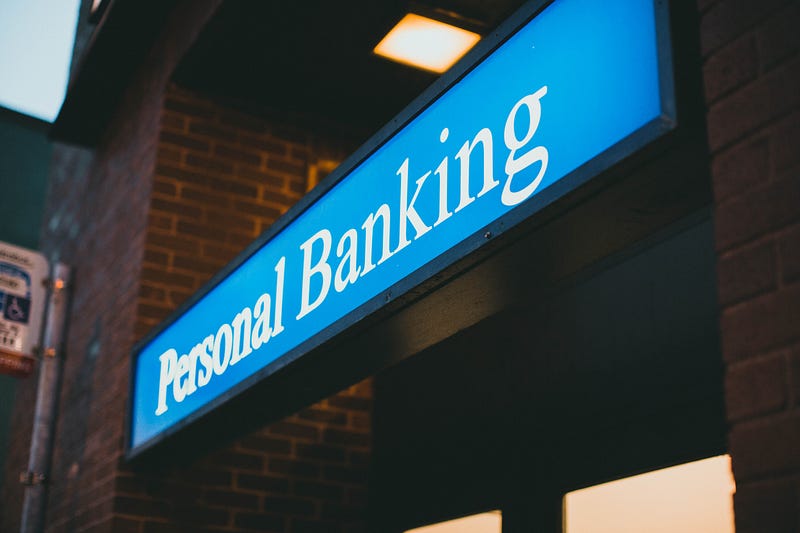
Photo by Jonathan Cooper on Unsplash


DID technology to prevent identity fraud

The utilization of DID technology marks a notable stride in preventing identity fraud. By storing user data on a secure distributed ledger, the system becomes highly resilient to counterfeiting or forgery attempts, ensuring a safer environment for customers’ personal information.


Single sign-on functionality

With this initiative, Welcome Savings Bank has become the first savings bank in the country to implement Bank ID, a solution predominantly adopted by prime commercial banks. This strategic move bolsters the bank’s digital competitiveness and improves customer convenience. With Bank ID, users can enjoy seamless access to their accounts across 18 Korean financial institutions without the hassle of logging in separately for each one, streamlining their banking experience.

Customers of Welcome Savings Bank can utilize the bank’s mobile app to acquire a Bank ID by undergoing a verification process through a one-time password or security card. For existing Bank ID holders, adding Welcome Savings Bank to their list of banks is a straightforward procedure.

The decision to embrace this innovative technology highlights the bank’s commitment to meeting the high standards set by prime commercial banks. By aligning with industry trends and bolstering their digital capabilities, savings banks like Welcome and other subprime banks can deliver improved convenience and a seamless banking journey to their valued customers.

More to Read
View All
Web3 & Enterprise·

Nov 28, 2023

Wemade joins hands with Dubai Chambers to expand Web3 and gaming endeavors in Middle East

Wemade joins hands with Dubai Chambers to expand Web3 and gaming endeavors in Middle EastSouth Korean blockchain gaming publisher Wemade has partnered with the Dubai Chambers to support each other’s objectives for making advancements in the Web3 and gaming sphere.Photo by Kent Tupas on UnsplashTheir commitments were exchanged when Wemade CEO Henry Chang met with Mohammad Ali Rashed Lootah, the President and CEO of the Dubai Chambers, during his trip to the United Arab Emirates this week for this year’s Abu Dhabi Finance Week and the Fortune Global Forum, according to industry sources on Tuesday (KST).The Dubai Chambers of the UAE is a non-profit public agency that plays a central role in creating an environment for businesses in Dubai to thrive, thus bolstering the business landscape. It is divided into three sectors — commerce, international and digital economy.A strategic allianceDuring the meeting, the Dubai Chambers pledged to support Wemade’s business expansion in the Middle East region by helping the company establish networks with local organizations and companies. It also vowed to facilitate active exchange between Wemade and the Dubai Chambers’ overseas offices in 27 countries. In turn, Wemade stated that it would strengthen its local business capabilities to contribute to the growth of Dubai’s gaming and Web3 industries.“Dubai is one of the most dynamic regions leading the next-generation gaming industry, and the role of the Dubai Chambers is crucial. Wemade will actively support Dubai’s gaming industry initiatives with the experience and technical expertise that we have accumulated over the years,” Chang said. Lootah also expressed his anticipation for the partnership, reaffirming Dubai’s commitment to fostering a tech-savvy ecosystem.Earlier this month, Sheikh Hamdan bin Mohammed bin Rashid Al Maktoum, the Crown Prince of Dubai, announced a new vision to grow Dubai into one of the top ten cities for gaming in the world by creating 30,000 new jobs and increasing GDP by $1 billion by 2033.Strengthening tiesChang and Lootah’s meeting is the latest development in the budding business relationship between Wemade and the UAE. Previously, a delegation from the Dubai Chambers visited South Korea in September, during which it visited Wemade’s headquarters. Wemade also opened an office in Abu Dhabi earlier this year.

news
Web3 & Enterprise·

Sep 23, 2023

Japan’s GMO Coin Announces Special SGB Airdrop for XRP Holders

Japan’s GMO Coin Announces Special SGB Airdrop for XRP HoldersGMO Coin, a prominent cryptocurrency exchange operating as part of the Japanese IT conglomerate GMO Internet Group, has unveiled a unique opportunity for XRP holders. Eligible GMO Coin clients who have previously invested in XRP will receive an exclusive airdrop of Songbird (SGB) tokens.Photo by Kanchanara on UnsplashSGB token distributionThe distribution of these SGB tokens is slated for completion by September 29, offering a promising opportunity for XRP enthusiasts. To qualify for this airdrop, customers must have held XRP in their GMO Coin accounts at 09:00 on December 12, 2020. The airdrop is also being extended to those utilizing crypto asset lending services on the platform.To take advantage of the opportunity, eligible clients will need to provide a snapshot of their XRP holdings. While the exact pricing mechanism for the distribution remains undisclosed, it will be revealed at a later date. Presently, SGB is trading at approximately $0.0045, according to Malaysian cryptocurrency data aggregator CoinGecko.GMO Coin has assured its clients that they are free to manage their XRP holdings as they see fit after submitting the necessary proof. The distributions will ultimately be converted into Japanese yen and made available to clients by the end of the month.Ripple’s mixed fortunesThis development comes in the wake of a roller-coaster year for XRP holders. Ripple’s native token experienced substantial price fluctuations in response to various developments and events.One noteworthy instance occurred in mid-July when XRP surged by more than 70%. This surge followed a favorable ruling in a legal dispute between Ripple and the United States Securities and Exchange Commission (SEC).While regulatory pushback has featured strongly in the US, Ripple has sought to expand its business elsewhere with the Asian region featuring within that strategy. In June, the blockchain-based payments firm obtained in-principle approval from the Monetary Authority of Singapore (MAS) to offer its services within the city-state.Earlier this month, Ripple struck a deal with SBI Remit Co., a subsidiary of Japanese financial services conglomerate SBI Group, to enable the remittance company to utilize Ripple’s XRP cryptocurrency as a bridge currency, connecting bank accounts in the Philippines, Vietnam, and Indonesia.Songbird networkThe Songbird network serves as a canary blockchain on the Flare layer one network. Essentially, the blockchain plays a crucial role in allowing the facility to enable network architecture testing on the Flare network, including the Flare Time Series Oracle, F-Asset systems, and StateConnector.GMO Financial Holdings, the parent company behind GMO Coin, bought a 10% stake in AWR Capital, a multi-strategy crypto hedge fund, in April. Following that investment, AWR became a market maker at GMO Coin. The Japanese exchange business is ranked ninth on Forbes Digital Assets’ list of the world’s largest crypto exchanges.As GMO Coin prepares to distribute SGB tokens to eligible XRP holders, this airdrop marks a great opportunity for relevant stakeholders. It showcases the platform’s willingness to reward its customers and foster engagement within the crypto community.

news
Markets·

Jun 30, 2023

Survey Reveals 45.9% of Korean Crypto Investors Reporting Losses

Survey Reveals 45.9% of Korean Crypto Investors Reporting LossesAccording to a recent survey, more than half of South Korean adults have experience of owning cryptocurrency. Most of them bought crypto for investment purposes, with 33% of respondents making gains and 45.9% losing money.Photo by RDNE Stock project on Pexels2,500 respondentsThe Korea Financial Consumers Protection Foundation, a public research and education institute, conducted an online survey to assess the prevalence and trends of cryptocurrency ownership among South Koreans. The study, conducted between March 3 and March 24, 2023, encompassed 2,500 participants between the ages of 20 and 69 residing in Seoul, its suburbs, and the six major metropolitan areas. The results shed light on the crypto landscape, including ownership patterns, investment purposes, asset holdings, funding sources, and the future intentions of respondents.Crypto ownership trendsAccording to the survey, 30% of the participants currently own cryptocurrency, while 23% revealed they had previously owned crypto assets but no longer possess them, indicating that more than half of the respondents have had exposure to cryptocurrencies at some point in their lives.Among current crypto holders, 74.5% stated that they had acquired their first digital assets between 2020 and 2022, which suggests a surge in crypto purchases during the COVID pandemic period.Purpose of holding cryptoRegarding the purpose of holding crypto, 80.9% of respondents who either currently own or have previous experience owning cryptocurrency (representing approximately 43% of all participants) cited investment as their primary motivation. Furthermore, 17.4% viewed crypto as a trading instrument, while 17.8% held it for specific service utilization. (Individuals were allowed to choose multiple options.) From this result, the authors estimated that around 24.2% of all respondents currently hold crypto for investment purposes.The survey revealed the distribution of virtual asset holdings among respondents, with the values quoted in Korean Won (KRW). Among the participants, 21.5% owned less than 1 million KRW ($760), while 45.8% held more than 1 million KRW ($760) but less than 10 million KRW ($7,600). Additionally, 28.8% possessed between 10 million KRW ($7,600) and 100 million KRW ($76,000), and 3.9% held more than 100 million KRW ($76,000) in crypto assets.Funding sourcesWhen asked about the sources of funds used to purchase virtual assets, 82.5% of individuals with previous crypto ownership experiences mentioned utilizing spare funds from deposits or other sources. Meanwhile, 17.7% disclosed that they had liquidated other assets, such as stocks or real estate, to invest in cryptocurrencies. (Individuals were allowed to choose multiple options.) In addition, 7.8% of respondents acknowledged borrowing from acquaintances, with a higher rate of 11.8% among those in their 20s. The proportion of respondents who borrowed from loans was 6.2%.Among those who borrowed funds to invest in crypto, 47.6% are currently facing difficulties in repaying their loans, while 28.6% experienced repayment challenges in the past. This data suggests that a significant portion of individuals who borrowed to purchase cryptocurrencies encounter difficulties in loan repayment.Regarding the financial institutions from which respondents borrowed, 57.1% borrowed from the banking sector, while the remaining 42.9% obtained funds from non-banking entities. Encouragingly, no respondents reported borrowing from loan sharks.Cumulative returnsRegarding the cumulative returns on crypto assets, 33% of respondents who currently hold crypto reported gains, with an average cumulative return of 25%. Conversely, 45.9% reported losses, experiencing an average cumulative loss of 41.5%.When liquidating their crypto assets, 24.7% of traders made a profit, while 47.9% incurred losses. The data reveals that the proportion of individuals who suffered losses in their crypto investments was nearly twice as high as those who reported gains. Furthermore, higher age groups exhibited a higher percentage of losses compared to younger respondents. Among those who profited, the average return was 38.4%, while those who suffered losses reported an average loss of 37.5%.Future intentionsThe survey also inquired about the future intentions of respondents regarding their crypto holdings. Among current crypto holders, 80.8% expressed their intention to continue holding crypto assets. On the other hand, among those who do not currently own any crypto assets, 72.8% stated that they do not plan to purchase cryptocurrencies in the future.

news
Loading