Top

KuCoin Halts Bitcoin and Litecoin Mining Pools Amidst Strategic Shift

Web3 & Enterprise·August 03, 2023, 12:16 AM

In an announcement on Tuesday, Seychelles-based cryptocurrency exchange KuCoin revealed its decision to temporarily suspend its Bitcoin and Litecoin mining pools, effective from 16:00:00 on August 15, 2023 (UTC).
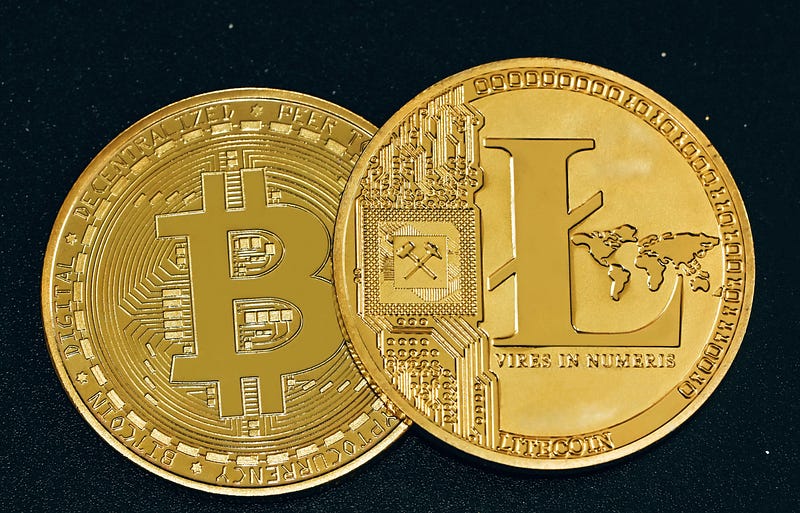
Photo by Traxer on Unsplash


Changing business strategy

This move is attributed to KuCoin’s evolving business strategy, although specific details remain undisclosed. The exchange expressed its regret for any inconvenience caused and extended gratitude for users’ continued support.

It appears that the company wants to focus on core business activities and for that reason, it’s terminating its mining pool activity. That said, the discontinuation was described in its statement as being “temporary” although that has been left open-ended with no indication of if or when it would bring the service back into operation.

The company is open to the idea of revisiting the facilitation of mining pools in the future. “We will see if it is needed to restart based on the market and users’ demand in the future,” a spokesperson for the company told The Block.

To ensure miners’ uninterrupted earnings during the suspension, KuCoin advised users engaged in cryptocurrency mining to transition their Bitcoin (BTC) and Litecoin (LTC) miners to alternative mining pools before the specified suspension date. Additionally, the exchange emphasized the importance of backing up and preserving mining records and related data, recommending users complete these actions before August 27.

Presently, the KuCoin Bitcoin mining pool maintains a hash rate of 9.08 exahash per second (EH/s), while the Litecoin pool operates at 3.90 terrahash per second (TH/s). These figures contribute to the broader hash rate landscape, where the entire Bitcoin network boasts a hash rate of 349.19 EH/s, compared to the Litecoin network’s 792.16 TH/s.


Workforce reduction

It is clear that the company is in the process of adjusting to current market conditions. Last week, rumors surfaced of a plan to effect a workforce reduction. That prompted KuCoin’s CEO Johnny Lyu to respond, clarifying that the exchange’s operations are running smoothly. Dismissing layoff speculation, Lyu highlighted the exchange’s steady expansion and strong growth as demonstrated by the H1 2023 report. The report showcased an increase in users and new listings, underscoring the platform’s vitality and development.


Mandatory KYC

In recent months, KuCoin has also implemented mandatory Know Your Customer (KYC) requirements, obligating users to undergo verification processes. Existing customers who fail to complete KYC procedures will be unable to make deposits. With over 20 million registered accounts, the exchange felt that it needed to improve on its level of regulatory compliance and security measures.

It’s highly likely that an action taken by authorities in New York in the United States in March prompted KuCoin’s decision to tighten up on KYC. At that time, the New York Attorney General said that action was being taken against KuCoin due to its failure to register as a securities and commodities broker-dealer.

As KuCoin undergoes these changes, the suspension of its mining pools raises questions about the broader implications for its business strategy and the potential impact on miners within its ecosystem. That said, the firm is not alone in making changes, with most crypto exchanges having had to adjust to a business and regulatory environment that has changed considerably since the 2021 crypto bull run.


More to Read
View All
Policy & Regulation·

Jun 05, 2023

South Korea to Revive Tech Exports with Metaverse, Blockchain

South Korea to Revive Tech Exports with Metaverse, BlockchainThe South Korean Ministry of Science and ICT revealed today a strategy to enhance the country’s tech exports. The plan includes leveraging the potential of the metaverse and blockchain as promising export items.Photo by Pixabay on PexelsEmphasis on the digital sectorIn response to the recent decline in exports, the strategy seeks to establish new sources of growth by prioritizing the digital sector, which has historically been a key driver of Korea’s exports. Recognizing the complex challenge posed by the global economic slowdown and other factors, all government ministries are collaborating to counteract the export slowdown.The plan leverages South Korea’s digital capabilities and implements proactive measures to adapt to evolving export trends, including the recent advancement of generative artificial intelligence (AI) tools and the acceleration of digital transformation. By tapping into emerging markets and nurturing innovative companies, the government strives to diversify its export portfolio and strengthen its position in the global market.Despite achieving a record high of $248.8 billion in tech exports in 2022, Korea has faced year-on-year declines since July 2022 due to the global economic downturn. The semiconductor sector, which accounts for more than half of the nation’s tech exports, has been particularly sluggish. Nevertheless, the rise of new tech markets driven by significant technological advancements, such as ChatGPT, and the global push for digital transformation offer opportunities to overcome the current export slump.Emerging marketsAgainst this backdrop, the government is committed to backing the development of products that resonate with the evolving export landscape. It is eyeing emerging markets, notably the Middle East, Southeast Asia, and Latin America, recognizing their fertile grounds for the swift adoption of evolving tech trends, fueled by their substantial youth populations. Furthermore, the government plans to provide policy-level support to tech companies.Government supportUnder this plan, the government will identify promising companies and offer assistance, including consultation and guidance on product commercialization. It will also support metaverse companies participating in overseas projects by covering localization development costs.In the blockchain field, comprehensive support, including technology verification, consulting, and marketing, will be provided to those working towards international standardization for NFTs and their overseas commercialization.As part of this initiative, exhibition rooms will be established on metaverse platforms like ZEPETO and IFLAND in September. These platforms will provide opportunities for innovative firms to showcase their products. At the same time, the plan will facilitate interaction between Korean companies and overseas buyers through online and offline events to boost exports.

news
Web3 & Enterprise·

Jul 27, 2025

OSL raises $300M to finance expansion

OSL Group, a Hong Kong-based publicly listed digital asset exchange platform, has raised $300 million to finance further expansion of the business.Photo by Towfiqu barbhuiya on UnsplashLargest publicly disclosed crypto equity raise in AsiaIn a press release published on July 25, the company claimed that it has completed the largest publicly disclosed equity raise to date within Asia’s digital asset sector. It suggested the funding signaled market confidence in the digital asset business model that the firm is pursuing.  OSL intends to allocate the funding across three primary areas. Acquisition opportunities are one core area the company plans to home in on. It says that it will continue its “aggressive global expansion drive” through a combination of licensing, partnerships and acquisitions.  As part of its global expansion strategy, last month the company acquired a 90% stake in Evergreen Crest Holdings, an Indonesian crypto exchange operator. In February, it rebranded CoinBest, a Japanese crypto exchange, as OSL Japan after acquiring it late last year. Stablecoin initiativesOSL plans to pursue new global business initiatives, including initiatives related to stablecoins and payments. It stated that it will accelerate its “build-out of global business and payment networks, integrating fiat currencies, stablecoins, and major digital assets.” The company feels that investment in infrastructure of this nature will facilitate its institutional and enterprise clients, giving them access to “secure, efficient, and seamless cross-border payment solutions.” The third core area it will allocate funding to is working capital. OSL believes that enhancing the strength and depth of its working capital will give the firm a competitive advantage over its rivals in terms of reach, coverage, scale and volume. The company’s Chief Financial Officer (CFO), Ian Wong, commented on this latest development, stating: "This US$300 million equity raise marks a major milestone in our journey and reflects strong conviction in OSL's digital asset strategy and execution.” OSL is already well established as a key player in the digital assets space in Hong Kong. Founded in 2003 as BC Technology Group, it later rebranded and in 2018 the company expanded its services to cater to the digital assets sector. In 2023, OSL, alongside rival HashKey, became the first digital assets companies in the Chinese autonomous territory to be licensed by the Securities and Futures Commission (SFC). Supporting spot crypto ETF issuersOSL supports asset management firms that have listed Bitcoin and Ether exchange-traded funds (ETFs) on the Hong Kong Stock Exchange (HKEX), through its staking and digital asset custody infrastructure. In April, the company was approved by the SFC to offer Ethereum staking services. In July 2024, the company claimed that 88% of spot digital asset ETF trading in Hong Kong had been carried out by firms that it has partnerships with. The timing of the announcement of this latest development is interesting, given that one of the focuses for the funds raised is to develop stablecoin-related business, against a backdrop of Hong Kong’s new Stablecoins Ordinance coming into effect in less than a week from now.Bloomberg reported last week that around fifty companies have expressed interest in obtaining stablecoin licensing in the city, with the local regulator and central banking institution, the Hong Kong Monetary Authority (HKMA), likely to issue ten licenses. 

news
Policy & Regulation·

Jul 04, 2023

Hong Kong Embraces Web3 Development with Dedicated Task Force

Hong Kong Embraces Web3 Development with Dedicated Task ForceHong Kong has taken another step towards embracing the potential growth of the crypto industry by creating a dedicated task force for Web3 development.Led by Financial Secretary Paul Chan, the task force, which was announced on Friday, consists of 15 non-official members, including university professors and entrepreneurs. As official members, government officials and financial regulators are involved.Financial Secretary Chan expressed his optimism about blockchain technology, the foundation of Web3, highlighting its potential for innovation through features such as disintermediation, security, transparency, and cost-efficiency. The task force envisions Web3 as a solution to challenges faced in sectors like finance, trade, business operations, and everyday life.Photo by Shubham Dhage on UnsplashMulti-agency participationNotable members of the task force include the CEOs of the Hong Kong Monetary Authority (HKMA), Securities and Futures Commission (SFC), and Hong Kong Exchanges and Clearing. Their presence demonstrates the commitment of top finance regulators in Hong Kong to the Web3 initiative. Additionally, Yat Siu, chairman of metaverse firm Animoca Brands, joins as a non-official member, bringing diverse perspectives to the table.Financial Secretary Chan emphasized Hong Kong’s ambition to become a significant player in the Web3 space. The city-state aims to support companies and nurture local talent within the ecosystem. This initiative aligns with Hong Kong’s long-term vision for crypto development, as set out in a policy document released last October. It’s the latest in a whole series of measures officials have taken since then to further that crypto ambition.Strategic positioningBy establishing the Web3 task force, Hong Kong seeks to position itself as a prominent hub for crypto activities. The city-state recognizes the potential economic benefits and job opportunities associated with the crypto industry. The task force’s diverse composition reflects the government’s intention to collaborate with stakeholders from various sectors and gather insights from academia, government bodies, and industry experts.Furthermore, the task force aims to create a supportive environment for digital asset development. Hong Kong’s financial regulators have been actively working on regulatory frameworks to ensure investor protection and promote market integrity.While it is still in the early stages, global crypto exchanges like Huobi, OKX, and BitMEX have recently expressed their intentions to establish a presence in Hong Kong. This indicates growing interest in the city-state’s crypto potential and validates the government’s efforts to position Hong Kong as a welcoming and conducive environment for crypto-related businesses.With its commitment to fostering digital asset development, Hong Kong demonstrates a forward-thinking approach to leverage the benefits of blockchain technology and position itself as a thriving ecosystem for Web3 innovation.The collaboration between academic, governmental, and regulatory stakeholders sets the stage for the Chinese autonomous territory to capitalize on the opportunities presented by the evolving crypto space. Hong Kong’s proactive stance and the establishment of the Web3 task force reinforce its position as a global financial hub and a front-runner in embracing emerging technologies for future economic growth.

news
Loading