Top

Bitdeer announces new mining chip and Q4 results

Web3 & Enterprise·March 05, 2024, 2:51 AM

Bitdeer Technologies, led by Jihan Wu and based in Singapore, has unveiled the very latest development in the world of Bitcoin mining technology with the announcement of the successful testing of its proprietary Bitcoin mining chip, slated for integration into its forthcoming mining rig. In addition, the firm has followed up on March 4 with the publication of financial results for Q4 2023.
https://asset.coinness.com/en/news/81701fddf7c01f3af8b322ed63024a30.webp
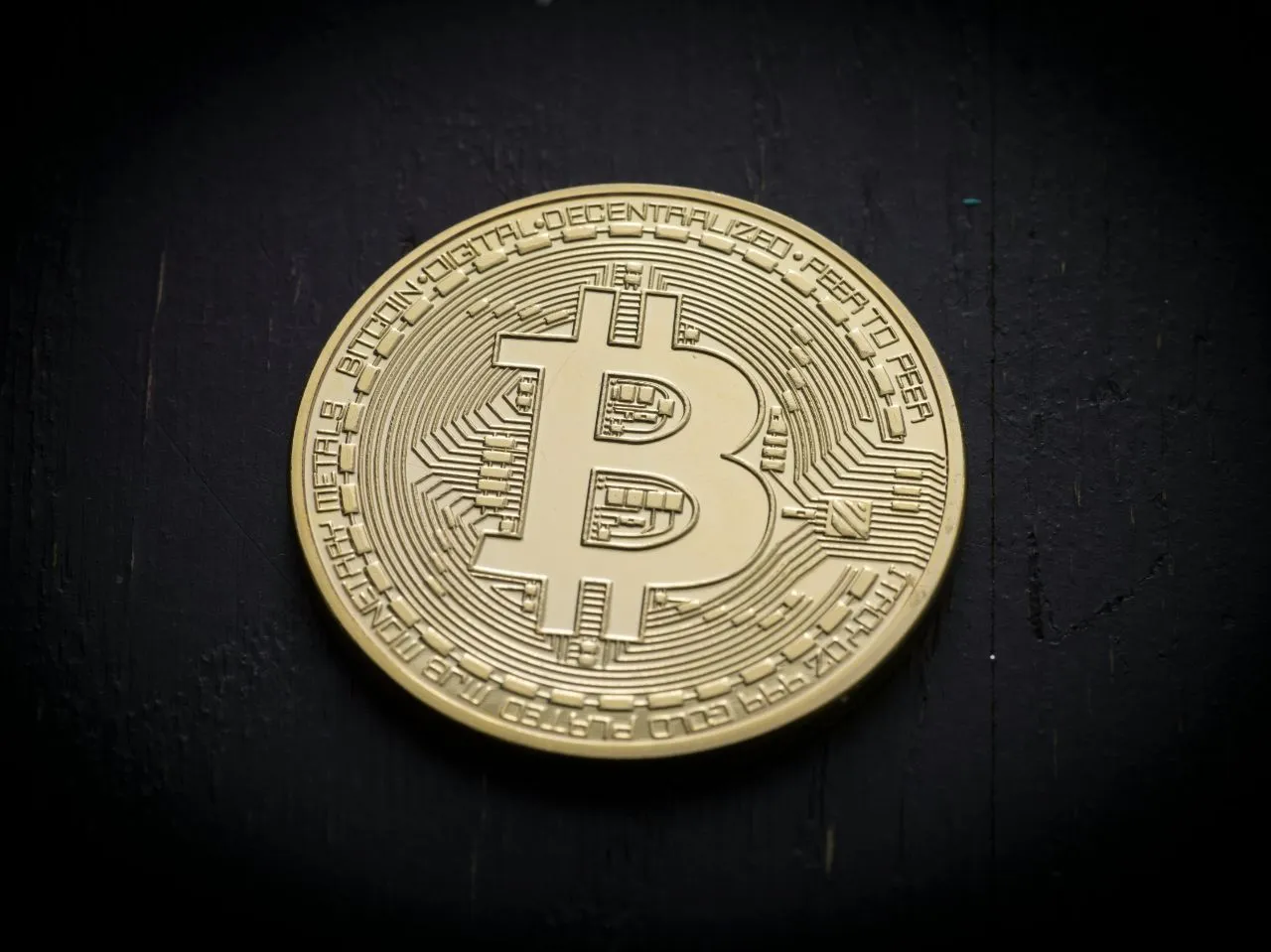
Photo by Thought Catalog on Unsplash

Sealminer A1

The company revealed on X that its inaugural crypto mining chip, known as the SEAL01, destined to drive the Sealminer A1 mining rig, was engineered utilizing four-nanometer process technology, a feat achieved in collaboration with a semiconductor fabricator. Bitdeer boasts that this chip exhibits a power efficiency ratio of 18.1 J/TH.


At the heart of Bitdeer's latest achievement lies the SEAL01 chip, the culmination of years of dedicated research and development. By harnessing state-of-the-art technology and meticulous planning, Bitdeer aims to tackle the pressing challenges confronting Bitcoin miners, including skyrocketing operational costs and environmental implications.


The company claims that the efficiency of the SEAL01 chip not only promises a shift towards more sustainable mining practices but also holds the potential to significantly reduce energy consumption, thereby bolstering profitability and return on investment for miners.


"This powerful chip offers enhanced Bitcoin mining performance with minimized power consumption, leading to lower operating costs and a reduced environmental footprint for miners," Bitdeer affirmed in the X post. The firm stopped short of disclosing the launch timeline for its upcoming mining rig.


On the financial front, Bitdeer disclosed its financial results for Q4 2023, on March 4. The company reported a total of 111,966,634 outstanding ordinary shares as of Dec. 31, 2023, including class A and class V ordinary shares.


Additionally, Bitdeer revealed key operational metrics for Q4 2023, including total Bitcoin mined, power usage across its mining data centers, average cost of electricity and miner efficiency.


Bitdeer's shares closed up 2.11% at $6.76 on Nasdaq on Friday, indicating a positive market response to its recent newly developed Bitcoin mining chip. However, trading outside regular hours, going into March 4, have seen the share price peak at $7.52, yet having retraced to $6.9 at the time of writing. That may indicate that investors are not particularly enthralled by the firm’s Q4 2023 results.


Bitdeer emphasizes that the SEAL01 chip is engineered to meet the evolving demands of the cryptocurrency mining industry. As mining activities continue to gain traction and market dynamics evolve, the adaptability of hardware solutions becomes paramount. Bitdeer's strategic emphasis on innovation with the SEAL01 chip aims to pave the way for future advancements in cryptocurrency mining technology, ultimately fostering the growth and sustainability of the industry.


Moreover, Bitdeer asserts that the newly developed chip enables it to optimize efficiency, stability and performance in anticipation of the upcoming Bitcoin halving event slated for April.


Last month, the company’s founder Jihan Wu was installed as CEO, in a move that is understood to better position the company as it transitions to a growth phase.


More to Read
View All
Markets·

Feb 07, 2025

HAQQ Network co-founder points to Indonesia’s crypto hub potential

Mohammed AlKaff AlHashmi, co-founder of the HAQQ Network, has expressed the view that Indonesia has considerable potential to establish itself as Asia’s largest crypto hub. AlHashmi made the comments in a discussion with Crypto.news. HAQQ Network claims to be a scalable proof-of-stake-based blockchain, capable of high throughput. The network is fully compatible and interoperable with Ethereum. The project also focuses on the development of a Sharia-compliant Web3.  While the project is headquartered in Niqa Al Dheeb in the United Arab Emirates (UAE), Indonesia is also a significant market for the company, given that it has just received regulatory approval for the HAQQ Network’s native token from the Indonesia Financial Services Authority (OJK). Islamic Coin (ISLM) is the network’s native token. It is being offered as a Sharia compliant digital currency, with Sharia law being the Islamic legal system that governs the lives of millions of Muslims throughout the world.Photo by Nick Agus Arya on UnsplashGateway marketOffering his thoughts on the Indonesian crypto market, AlHashmi stated: “When we look at Indonesia as a market, I would say it is incomparable. It can be number one to be honest. Because I have seen statistics of growth happening in a very big volume. The volume of trade, transactions and users, I think Indonesia can be very soon one of the top 3 countries in the world.” Indonesia takes on added importance for the HAQQ Network project. The project’s co-founder sees the Southeast Asian nation as a gateway into a broader market given that it has the largest Muslim population in the world. He said that if his project is successful in Indonesia, then there will be no barrier to enter markets in other predominately Muslim nations. The entrepreneur believes that Indonesia is on the cusp of realizing its potential within the crypto sector. He said that Indonesia has a “competitive edge” when compared with other nations. Population size and rapid economic growth feed into that potential, with AlHashmi claiming that Indonesia is primed to become the largest crypto hub in Asia. Smooth regulatory processFrom a regulatory perspective, he also feels that Indonesia is outperforming other jurisdictions. The HAQQ Network project team experienced a smooth process in acquiring regulatory approval for ISLM recently. He believes that although the process was detailed, it was completed quicker than he would expect in other countries.  AlHashmi added that “regulations are flexible enough to enable project owners to do good business to protect the community as well.” Local regulator, the OJK, has expressed an interest in exploring the development of Sharia-compliant crypto assets. Earlier this month, Hasan Fawzi, OJK's executive head overseeing crypto assets supervision, told local media that the regulator is open to advancing Sharia-based cryptocurrencies.  Hasan stated: “Globally and regionally, this is a common practice. It is not unusual to create crypto assets that adhere to Sharia principles.” The OJK executive is particularly interested in tokenization of real-world assets (RWAs). He believes that if this proves to be successful, it could lead to further Sharia-complaint crypto products being launched. The OJK is currently testing tokenized RWAs within a sandbox environment.

news
Web3 & Enterprise·

Oct 27, 2023

Rotonda and Hancom Frontis Join Forces for Web3 Ecosystem Growth

Rotonda and Hancom Frontis Join Forces for Web3 Ecosystem GrowthRotonda, the subsidiary of Korean cryptocurrency exchange Bithumb and the operator of cryptocurrency wallet platform Burrito Wallet, has recently announced a memorandum of understanding (MOU) with Hancom Frontis. This strategic partnership is geared towards accelerating the growth of the Web3 ecosystem.Photo by Shubham’s Web3 on Unsplash3D metaverse platformIn April, Hancom Frontis officially launched a 3D metaverse platform known as a:rz META. This platform offers a wide array of services, including virtual meetings, online education, and telemedicine, all facilitated by the integration of blockchain-powered digital assets.With the introduction of a:rz META, Hancom Frontis has shifted its focus to Web3-based businesses. The company aims to expand its user base globally through a series of gradual updates.Fostering mutual growthThrough this partnership, both entities are set to embark on several collaborative initiatives aimed at fostering mutual growth. These efforts include sharing resources like personnel, materials, and information, as well as strengthening their business networks. They will jointly engage in research and development of blockchain-based services and work towards enhancing policies for these offerings.Shin Min-cheol, CEO of Burrito Wallet, expressed excitement about their collaboration, stating that their joint efforts would lead to the creation of an advanced blockchain environment that boasts enhanced technology and services. He also highlighted that Burrito Wallet’s ongoing partnerships with businesses across different sectors would solidify the company’s position in the market as a distinguished wallet provider that offers practical services.Recently, Burrito Wallet has taken a significant step towards its global expansion by signing a partnership with Japanese blockchain gaming platform Oasys. Meanwhile, the Korean wallet firm has also expanded its support to 11 mainnets, consistently implementing updates to enhance user-friendliness of the platform.

news
Policy & Regulation·

May 26, 2023

Silence From Multichain’s Chinese Developers Stokes Fear

Silence From Multichain’s Chinese Developers Stokes FearA prolonged silence from the project leadership behind Multichain, a cross-chain routing network, is causing growing concern among the users of the cross-chain protocol. The network currently holds $1.5 billion in total value locked (TVL).The protocol has experienced five days of stuck transactions, and multiple cross-chain bridge pathways, including Kava, zkSync, and Polygon zkEVM are still offline. Initially, the project’s China-based team attributed the issues to an upgrade that was being fixed. That explanation was changed recently to an ambiguous “force majeure,” leaving users with more questions than answers.Photo by Santiago Lacarta on UnsplashPossible arrests in ChinaAdding to the uncertainty are rumors circulating on Twitter that the core leadership team may have been arrested in China. Although the rumors remain unconfirmed, they have contributed to the growing sense of unease within the community. DJ Qian, one of the co-founders of Multichain who is no longer involved with the project, took to Twitter to share his attempts to seek clarification. Qian mentioned reaching out to Multichain CEO Zhaojun and founding partner Xu Guochang for technical assistance. When asked about Zhaojun’s availability, Qian stated that he was “not available yet.”Users and investors eagerly await updates and clarity from Multichain’s leadership team. However, the team’s lack of communication extends across various forms of social media. In group Telegram messages with the Multichain team, there have been no responses from Zhaojun, and direct messages through the same app have gone unanswered as well. This silence has left the community members puzzled, with little information to rely on.$MULTI price plummetsMeanwhile, the price of Multichain’s native token, $MULTI, has continued to decline. It currently stands at $4.37, representing a 20% decrease over the past 24 hours. The lack of communication and uncertainty surrounding the project have likely contributed to this downward trend in token price. Over the course of the past seven days, the token has decreased in price by 45%.In response to the situation, layer 1 blockchain project Conflux Network has taken precautionary measures by suspending Multichain’s co-mint privileges. This move prevents Multichain from minting tokens on the Conflux blockchain. The Conflux Network has also assured users that it will work with them in case any losses arise due to the ongoing issues.Flight to safetyOther projects and individuals have also reacted to the silence from Multichain’s team. Hong Kong-based HashKey Group, a crypto investment firm, has transferred $250,000 to crypto exchange Gate.io as a precautionary measure. Tron founder Justin Sun has withdrawn 470,000 of the $USDD stablecoin from the Multichain protocol. These actions reflect a growing concern among stakeholders, representing their efforts to mitigate potential risks associated with the uncertainty surrounding Multichain.Furthermore, the Fantom Foundation has withdrawn $2.4 million in liquidity of the protocol’s native $MULTI tokens from the decentralized exchange SushiSwap. It later tweeted out an update stating that the Fantom-Multichain bridge was operating as normal. These withdrawals signal a loss of confidence in Multichain and its native token, as stakeholders seek to protect their investments.As the silence persists, users and investors remain anxious for updates and clarifications from Multichain’s leadership team. The lack of communication and the circulating rumors have cast a shadow of uncertainty over the project, leaving stakeholders in a state of limbo.

news
Loading