Web3 & Enterprise·Mar 31, 2025
HashKey & Bosera launch world’s first tokenized money market ETFs
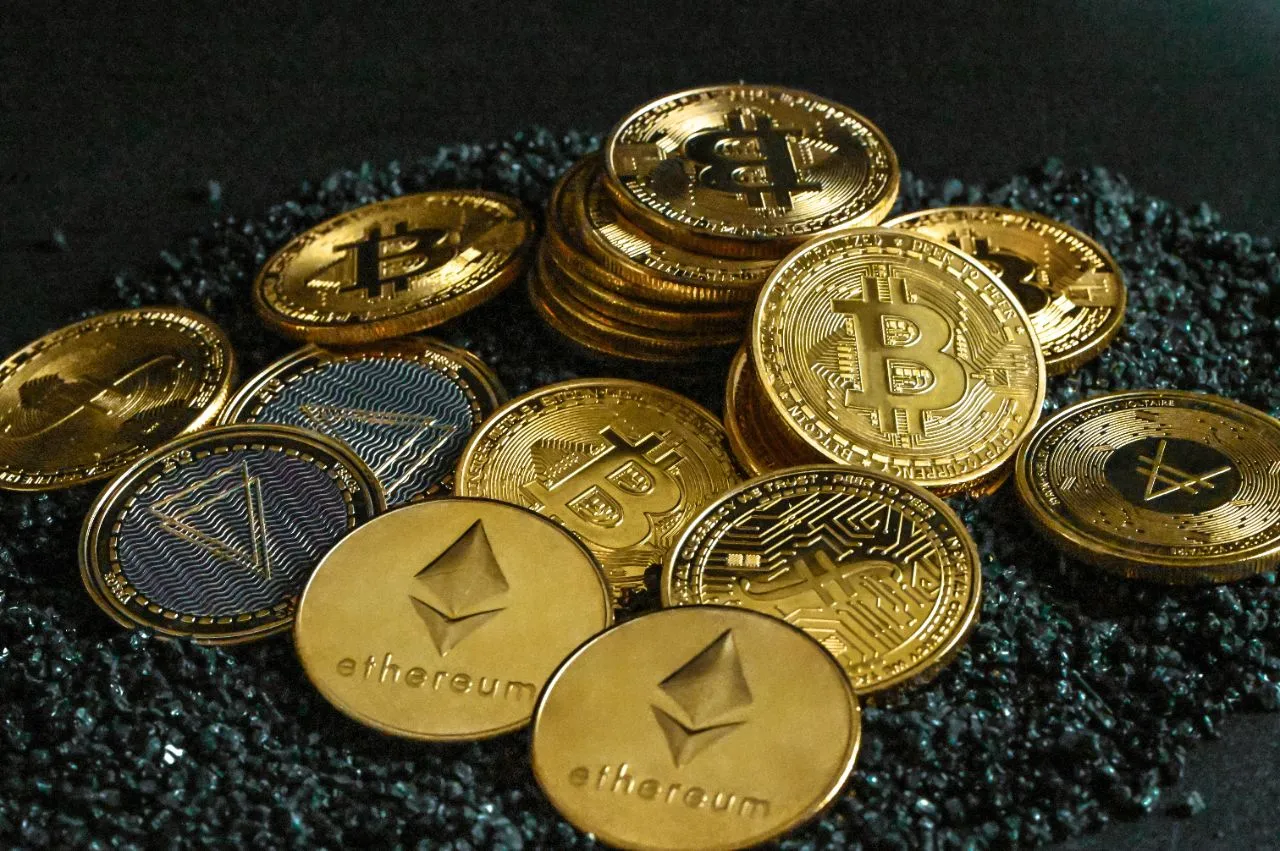
HashKey Group, a Hong Kong-headquartered digital asset financial services firm, has partnered with Bosera Asset Management (International) Co., the Hong Kong subsidiary of Chinese asset management firm Bosera Asset Management, to launch the world’s first tokenized money market exchange-traded funds (ETFs). In a press release published by PR Newswire on behalf of HashKey Group on March 28, HashKey outlined that the two funds are titled “Bosera HKD Money Market ETF (Tokenised Class)” and ”Bosera USD Money Market ETF (Tokenised Class).”While the products were launched last Friday, they won’t officially go live until April. Both products have been approved by Hong Kong’s Securities and Futures Commission (SFC). Photo by Vighnesh Dudani on UnsplashArising out of Project EnsembleThis latest product offering has its origins in Project Ensemble, an initiative launched by the Hong Kong Monetary Authority (HKMA) back in March 2024. The original aim of Project Ensemble was to support the development of the tokenization market in Hong Kong. The SFC got involved later that year, collaborating with the HKMA in the launch of a regulatory sandbox aimed at advancing the tokenization of assets in various financial sectors. In October 2024 it emerged that HashKey was participating within that sandbox, with these new products arising from those efforts. The company claims that these tokenized products improve upon what’s currently on offer via traditional finance, providing greater transparency and operational efficiency, thanks to the use of blockchain technology. HashKey Tokenisation, the tokenization arm of the firm, takes care of full-process design and execution for tokenized issuance. Subsequently, these products will be deployed on HashKey Chain, a regulatory-compliant, institutional-grade layer-2 network geared towards bridging the gap between traditional finance and Web3. On that subject, HashKey Group Chairman and CEO Dr. Xiao Feng stated:"Bringing money market ETFs on-chain through blockchain technology is a crucial step for traditional finance to embrace Web3.” Looking towards the future, Feng added that the company expects “more traditional financial institutions to actively enter the crypto finance sector through innovative tokenisation products.”Anna Liu, CEO of HashKey Tokenisation, told the South China Morning Post (SCMP) that “the biggest advantages of this product are that the underlying assets are mature and high-quality, and it fully considers security and regulatory compliance while reducing investor costs and improving overall liquidity.” Liu added that the firm hopes that this product offering is the first of many, paving the way for subsequent tokenized real-world asset (RWA) offerings. Last month, Hong Kong-based digital asset platform OSL launched a tokenized mutual fund, the ChinaAMC HKD Digital Money Market Fund. The retail tokenized fund has been issued by China Asset Management (Hong Kong), with Standard Chartered Bank (Hong Kong) acting as tokenization agent, digital platform operator and administrator. In the U.S., financial services company Fidelity Investments recently filed documents with the intention of rolling out a tokenized U.S. money market fund. BlackRock, the world’s largest asset manager, launched its tokenized money market fund, BUIDL, last year. The fund is expected to surpass a market cap of $2 billion in the coming weeks.