Top

Aurora Mobile & VMS Group to invest in crypto

Markets·June 26, 2025, 12:52 AM

Earlier this month, CoinNess reported on a flurry of Asian companies who had announced plans to add crypto to their balance sheets. That trend continued this week with two Chinese companies announcing similar plans.


In a press release published on June 24, Aurora Mobile, a marketing technology firm based in Shenzhen, announced its intention to begin to invest in digital assets. The Nasdaq-listed company (JG) outlined that its Board of Directors had approved the investment of up to 20% of the firm’s cash and cash equivalents in various digital assets in a strategic initiative involving Aurora Mobile’s treasury management.
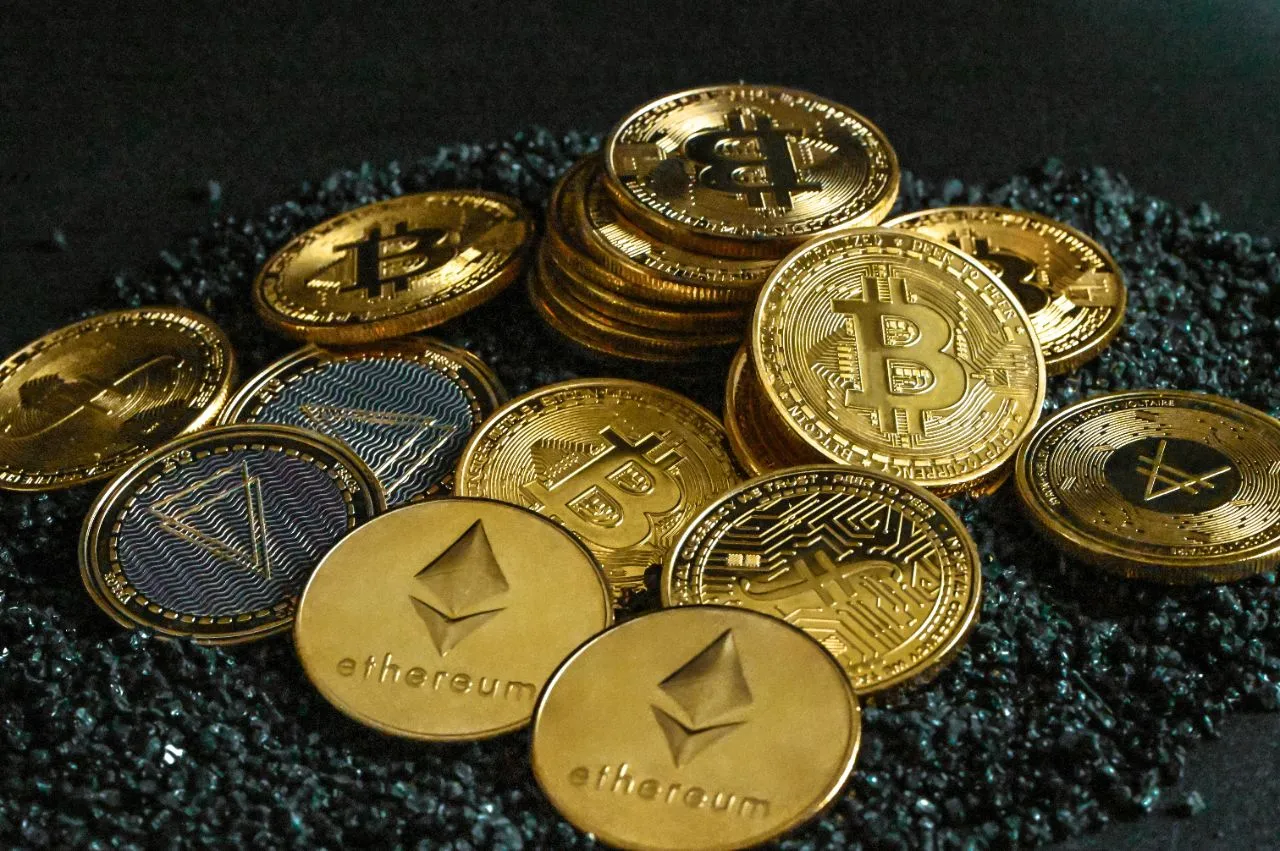
https://asset.coinness.com/en/news/0d918fa9e883e0f0f5d663ec72ad6fa5.webp
Photo by Traxer on Unsplash

Gaining exposure to emerging asset class

It described the initiative as an example of the company’s “commitment to innovative treasury practices,” focusing on long-term value creation for Aurora Mobile’s shareholders.


The firm’s CEO, Weidong Luo, said that the initiative will enable the company to diversify its portfolio, “gaining exposure to an emerging asset class with low correlation to traditional markets.” Luo also asserted that the move would demonstrate that the firm is “aligning with the technological advancements reshaping global finance.”


Aurora Mobile indicated that it would look to purchase Bitcoin, Ethereum, Solana, Sui and other tokens.


China’s crypto trading ban

A trading ban on crypto was introduced in mainland China in 2021. With that, it’s unclear how Aurora Mobile will establish its crypto treasury. It may opt to do so through Singapore-based subsidiary EngageLab or through an affiliated corporate entity in Hong Kong.


No such ban applies in Hong Kong, where VMS Group, another company which has decided to invest in digital assets, is headquartered. VMS Group is a family office which provides investment solutions and advisory services, while specializing in alternative investments. 


According to a report published by Bloomberg on June 23, the company, which has $4 billion worth of assets under management (AUM), intends to allocate up to $10 million to investment strategies run by a decentralized finance (DeFi)-focused hedge fund, Re7 Capital.


VMS Group managing partner Elton Cheung told Bloomberg that the investment decision was taken as part of an effort to diversify into more liquid investments. Cheung added:


“We thought this was the right time [to invest in digital assets] because of growing demand and because we see clearer legislative and government support from various jurisdictions, as well as large institutional support and endorsement.”


Potential partnerships

VMS Group executive Zhi Li, who has been tasked with leading digital asset investments for the company, said that the firm is examining potential partnerships with blockchain payments and infrastructure projects. Li stated that “there is very strong institutional and family interest in getting regulated digital asset exposure,” adding that VMS has “seen the younger generation of families wanting to do something different.”


Alongside these investments into cryptocurrencies, demand for crypto-related stocks in Hong Kong is also surging. Shares in publicly-listed licensed digital asset platforms in the Chinese autonomous territory surged by as much as 200% on June 25 as the market reacted positively to the city’s developing digital assets policy.
More to Read
View All
Policy & Regulation·

Jun 27, 2023

Singapore’s Central Bank Paves the Way for Digital Asset Networks

Singapore’s Central Bank Paves the Way for Digital Asset NetworksSingapore’s Monetary Authority (MAS) has taken a significant step towards the future of digital assets by proposing a comprehensive framework for the design of open and interoperable networks for tokenized digital assets.Photo by Pixabay on PexelsDetailed frameworkIn a report published on Monday, titled “Enabling Open & Interoperable Networks,” MAS presented a detailed framework aimed at understanding the design options necessary to facilitate the seamless trading of digital assets across diverse networks and liquidity pools. The framework is rooted in the core principles of financial market infrastructure and draws inspiration from cutting-edge projects that have been at the forefront of advancing these concepts.To ensure a robust and comprehensive approach, the report was jointly developed with subject matter experts from the Bank for International Settlements’ (BIS) Committee on Payments and Market Infrastructure (CPMI), with valuable contributions from prominent financial institutions including DBS Bank, JP Morgan, HSBC, SBI Digital Asset Holdings, Standard Chartered, and UOB.MAS defines digital asset networks as platforms that leverage distributed ledger technology (DLT) or blockchain to enable secure and efficient transfers of digital assets without the need for traditional intermediaries. These networks serve as the foundation for open and interoperable infrastructure, facilitating the issuance, transfer, and custody of digital assets. By promoting transparency, efficiency, and trust, the report suggests that they will play a pivotal role in shaping the digital asset ecosystem.Project GuardianThe report underscores the immense potential of digital asset networks in a future financial landscape, where digital assets and currencies can be seamlessly exchanged across different networks. MAS believes that these networks could revolutionize the way financial transactions occur, leading to increased efficiency and expanded possibilities. The framework also lays the groundwork for future exploration as part of the Project Guardian initiative, encompassing additional focused themes such as Trust Anchors and Institutional DeFi.MAS has also announced the expansion of Project Guardian to include a broader range of financial asset classes. The project now features an industry group comprising 11 leading financial institutions that will spearhead industry pilots in asset and wealth management, fixed income, and foreign exchange. Esteemed banks such as HSBC, Standard Chartered, DBS, and Citi are set to conduct multiple trials focusing on tokenization. For instance, Standard Chartered, in collaboration with Linklogis, is developing an initial token offering platform to issue asset-backed security tokens listed on the Singapore Exchange.Despite its cautious stance on cryptocurrency speculation, MAS recognizes the immense potential for value creation and efficiency gains within the digital asset ecosystem. Leong Sing Chiong, MAS’ Deputy Managing Director of Markets and Development, emphasized the authority’s optimism, stating: “We see significant potential for value creation and efficiency gains in the digital asset ecosystem.”This latest initiative by MAS comes on the heels of its recent proposal for standards governing the use of digital money, including central bank digital currencies (CBDCs) and stablecoins. Singapore’s central bank is paving the way for the future of digital assets and making a strong effort to assert its position as a global leader in digital asset innovation through the establishment of this framework alongside industry collaboration.

news
Web3 & Enterprise·

Sep 15, 2023

Viver Boosts Business Expansion with Blockchain Integration

Viver Boosts Business Expansion with Blockchain IntegrationViver, a luxury watch trading platform and subsidiary of Dunamu, which operates the Upbit cryptocurrency exchange in South Korea, is gearing up to expand its business by securing operating funds and implementing blockchain technology to enhance the transparency and security of trades.Photo by Caramel on UnsplashIn particular, designated services in which Viver plans to incorporate blockchain technology include the management of transaction history and the authentication of buyers and sellers, which can be used for watch appraisals and guarantees.“We do not plan to introduce services incorporating blockchain right away this year, but we are exploring ways to bring Dunamu’s strengths in blockchain to Viver,” the platform explained.From acquisition to nurturing growthAfter its establishment in February 2021, Viver was soon acquired by Dunamu, which injected KRW 9.5 billion (approximately $7.2 million) into the company on June 30 of that same year.Since then, the platform has been receiving continued financial support from Dunamu. It received KRW 2 billion in operating funds last year and an additional KRW 5 billion last Wednesday through board approval. In total, Viver has received approximately KRW 16.5 billion in funding from Dunamu over the past two years. “We decided to inject these operating funds to facilitate business growth,” Dunamu explained. The company also filed for trademark rights to Viver in July.This move contrasts with Dunamu’s actions in the first half of the year, where it divested its entertainment subsidiary, rrr Entertainment, for KRW 3 billion and its video production subsidiary, Knowmerce, for KRW 2.7 billion.In its first year of establishment, Viver recorded a net loss of approximately KRW 433 million, followed by a net loss of KRW 3.8 billion in 2022. While it has not yet achieved a turnaround in financial performance, the platform is facing promising outlooks as it has witnessed a substantial tenfold increase in its user base over the past year. Furthermore, since the launch of the service in August last year, the number of products directly listed by sellers as of July this year spiked nearly thirty times, with monthly trade count and transaction volume increasing almost fifteen times.Solid leadership and the beginnings of monetizationViver’s efforts to grow as a commerce service have been led by CEO Moon Jae-yeon and Chief Operating Officer Seo Hee-seon. Moon is known for his expertise in the management of commerce platforms through his experience working at eBay Korea and Coupang. Seo has similarly worked at notable companies such as BGF Retail, Interpark, eBay Korea, and 11th Street.Since Tuesday, Viver has started implementing service fees, signaling its move toward monetization. While transaction fees are still free due to an ongoing promotional event, order management fees are set at 2%, and sellers are now responsible for shipping costs.“Since our platform facilitates brokered trades, there are costs involved in order management, shipping, and our own evaluation and diagnostics processes. We have started charging fees for some of these costs so we could provide an improved trade experience,” Viver explained in regard to these changes.Viver also has its own magazine section, where it recently unveiled a special article for its 100th issue outlining its most popular and expensive high-end timepieces.

news
Policy & Regulation·

Sep 12, 2025

China funds research on stablecoin risks to financial system

China’s leading science foundation has initiated a research program to examine the effects of stablecoins, reflecting concerns that such digital currencies could pose a risk to the nation’s financial system and its fiat currency. According to the South China Morning Post, the National Natural Science Foundation of China (NSFC) is now offering grants for studies focused on stablecoins and the creation of cross-border monitoring frameworks. The foundation expressed that the unmonitored circulation of private stablecoins, particularly those pegged to the U.S. dollar, could weaken capital controls and present a potential challenge to the yuan. This initiative emerges as governments around the world, from the U.S. to regional financial centers, are actively developing rules for the digital asset sector.Photo by  Christian Lue on UnsplashStrategic research and internal debateThe NSFC will fund the projects with grants valued between 200,000 and 300,000 yuan ($28,042 to $42,063). Researchers are expected to complete their work within a year and deliver policy recommendations on how China can manage the challenges posed by global stablecoins and contribute to digital finance governance. The deadline for applications is Oct. 9. This research program is set against a backdrop of internal discussion in China regarding the possible launch of a yuan-backed stablecoin. While some economists support the idea of boosting the yuan's international profile, Bloomberg noted that former central bank governor Zhou Xiaochuan has advised caution. He recently said the high efficiency of China's current payment systems and warned that financial stability could be threatened by speculation in the stablecoin market. Analysts believe any state-sanctioned yuan stablecoin would likely be confined to offshore markets and tied to the offshore CNH. Global regulatory landscapeChina’s examination of stablecoins is part of a broader global trend of increased regulatory focus on the asset class. In Hong Kong, a new ordinance took effect on Aug. 1, creating a mandatory licensing system for stablecoin issuers under the oversight of the Hong Kong Monetary Authority. Other Asian nations are also taking action. South Korea’s government is reportedly exploring a model for a won-pegged stablecoin involving a consortium of banks and non-bank entities. Separately, Cointelegraph reported that Kyrgyzstan has introduced legislation outlining a regulatory framework for such assets. Developments are also accelerating in the U.S., where the Guiding and Establishing National Innovation for U.S. Stablecoins (GENIUS) Act was signed into law, creating a federal structure for stablecoin oversight. On a commercial level, a Minnesota-based credit union, St. Cloud Financial, intends to introduce its own stablecoin later this year, a move highlighted by Cointelegraph. This token, named Cloud Dollar (CLDUSD), is designed to integrate with the credit union's banking system to facilitate faster and cheaper transactions for its members within a regulated environment.

news
Loading