Top

Bhutan moves $66M in Bitcoin to Binance

Policy & Regulation·October 30, 2024, 2:11 AM

The Royal Government of Bhutan has moved $66 million in Bitcoin (BTC) to global crypto exchange Binance. That’s according to blockchain data analytics firm Arkham Intelligence, outlining that the assets were moved to Binance over two separate transactions. The firm took to the X social media platform on Oct. 29 to highlight the digital asset transfer. In its X post, the firm wrote:

”Crypto wallets belonging to the Royal Government of Bhutan moved $66.55M BTC to Binance this morning. The last time they deposited to exchanges was 4 months ago, at the start of July.”
https://asset.coinness.com/en/news/54b96dcf13f09ac9b6955c6b7bcc4eed.webp
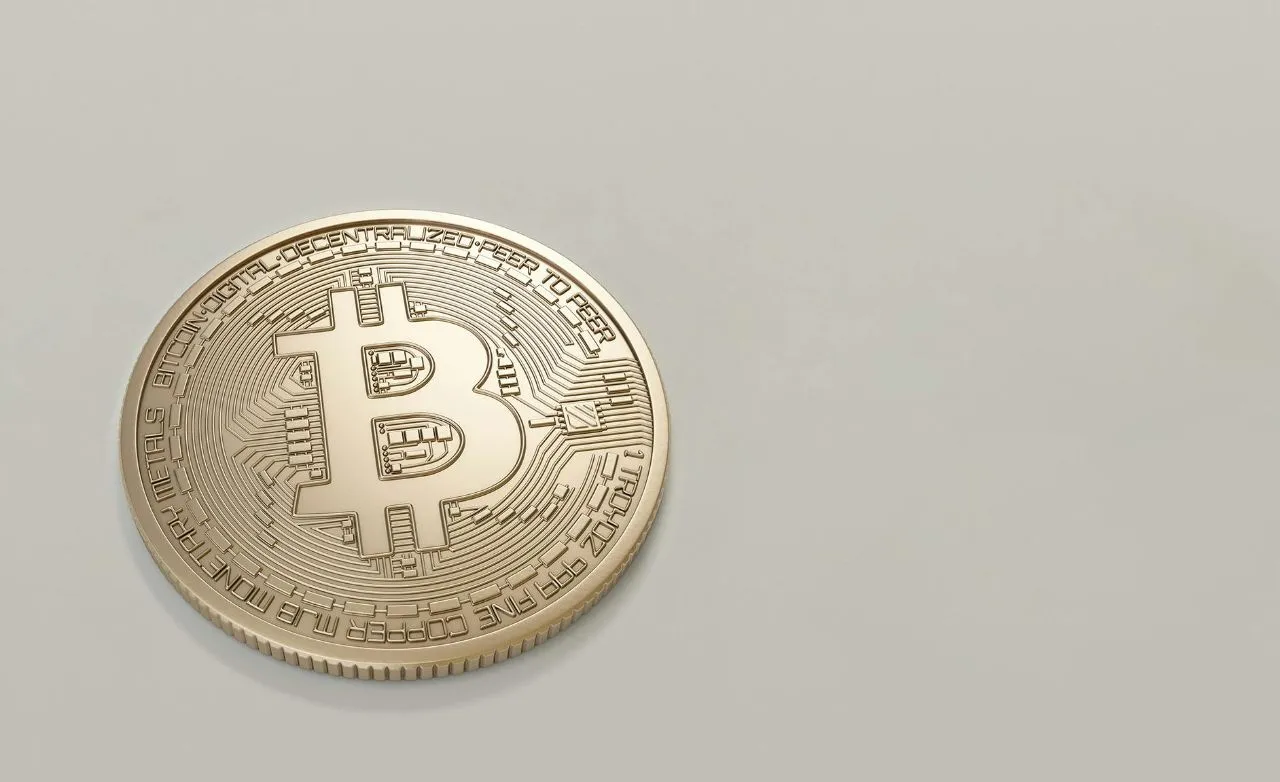
Photo by Moose Photos on Pexels

Sell-off concerns

Some crypto community commentators have expressed concern of a sell-off given that the nation nestled in the Himalayas still has a holding of 12,456 Bitcoin, worth in the region of $900 million. The transfer was made on a day in which Bitcoin reached a unit price in excess of $73,000. 


Arkham outlined that geographical data suggests that Bhutan’s Bitcoin mines remain active. On Oct. 29, they had accumulated $600,000 worth of Bitcoin mining rewards on-chain. 


In this latest market activity, the Bhutanese began selling when the Bitcoin unit price had exceeded $70,000. As Bitcoin reaches towards new all-time-high pricing, Bitcoin whales often take profits.


Mining Bitcoin since $5K

It emerged in 2023 that Bhutan had been quietly mining Bitcoin over the course of a number of years, since the leading digital asset had a unit price of around $5,000. The commercial activity has been enabled via Druk Holding and Investments (DHI), the commercial arm of the Royal Government of Bhutan. The Asian nation has ample hydroelectricity resources, being the only carbon-negative country in the world. Consequently, all its Bitcoin mining is carried out using hydro.


While mining activity had been ongoing for a number of years and had largely gone unnoticed by the industry, an entanglement between DHI and failed crypto lenders BlockFi and Celsius brought more attention onto the Bhutanese holding company’s activities relative to crypto. 


Lawsuits

DHI was sued by BlockFi with the action subsequently voluntarily dismissed. In the case of Celsius it withdrew around $65 million from the platform prior to Celsius declaring bankruptcy. As a consequence, Celsius is currently suing DHI to claw back the funds that were removed from the platform.


In 2023 Singaporean Bitcoin mining firm Bitdeer entered into a partnership with DHI with a view towards jointly developing green digital asset mining operation within the Kingdom of Bhutan. At the time, DHI CEO Ujjwal Deep Dahal said that the partnership formed part of an overall strategy to ensure that Bhutan took its place at the forefront of global innovation.


Arkham Intelligence outlined on X that in H2 2023, Bhutan’s Bitcoin mining operations were producing in the region of 26 Bitcoin per day, or 780 Bitcoin per month. However, over the past three months, that mining rate has decreased to 8.6 BTC per day or 260 BTC per month. Arkham suggests that the Bitcoin halving, together with the increase in the Bitcoin hashrate, explains the reduced output, although it speculated that some unknown issue with Bitcoin mining rigs may also be a contributing factor. 

More to Read
View All
Web3 & Enterprise·

Apr 24, 2023

Dunamu Collaborates with Credit Institutions to Aid Young Debtors

Dunamu Collaborates with Credit Institutions to Aid Young DebtorsDunamu, the operator of Korea’s leading cryptocurrency exchange Upbit, has announced its collaboration with the Credit Counseling and Recovery Service (CCRS) and the Social Solidarity Bank (SSB) to aid young debtors.©PexelfauxelsLUNC transaction fee revenueOn Thursday, Dunamu signed a memorandum of understanding with CCRS and SSB to propel the Dunamu Next Dream project. This initiative aims to return Luna Classic (LUNC) transaction fee revenue to the community.In September last year, Dunamu expressed its plan to allocate the LUNC transaction fee profits of 239.13025970 BTC for investor protection. The exchange operator, following the recommendations of an external advisory committee, decided to donate approximately 3 billion KRW (~$2.3 million) of these assets to public organizations and use the remaining funds for financial and credit support.Young debtorsThe project targets young individuals facing financial difficulties and debt repayment challenges in the wake of the extended COVID-19 pandemic and escalating interest rates. This reflects the pressing need for effective relief systems and preemptive measures in response to the recent increase in youth debt.A joint survey conducted jointly by Statistics Korea, the Bank of Korea, and the Financial Supervisory Service last year revealed that household debt for those aged 29 or under increased by 41.2% as of the end of March 2022 compared to the same period in 2021.This effort aims to address the economic instability among youths, which could potentially lead to a financial crisis. Through this agreement, the involved parties will offer various measures, such as emergency loans, financial consultations, and follow-up support, to alleviate the financial strain on young debtors and assist them to cultivate improved financial habits.Starting this year, the Dunamu Next Dream project will span three years and will gradually broaden its scope and beneficiaries.

news
Web3 & Enterprise·

Jun 07, 2023

Atomic Wallet Hacker Uses Lazarus Crypto Mixer

Atomic Wallet Hacker Uses Lazarus Crypto MixerThe stolen cryptocurrency from the recent $35 million hack of Atomic Wallet is already being moved to a crypto mixer favored by North Korea’s notorious cyber-hacking group.Photo by Micha Brändli on UnsplashSinbad.ioAccording to UK-based crypto compliance analysis firm Elliptic, the funds have made their way to a crypto mixer used by Lazarus Group, a notorious hacker group that focuses on crypto heists which is believed to have direct ties with the North Korean government.On June 5, Elliptic’s Investigations Team revealed that it had traced the funds from the Atomic Wallet hack to the crypto mixer Sinbad.io. Lazarus had previously used the mixer to launder over $100 million in stolen crypto assets.While the exact amount sent to the mixer was not specified, Elliptic noted that the stolen funds were being exchanged for Bitcoin before undergoing obfuscation through the mixer. Additionally, Elliptic reported that Sinbad.io is likely a rebranded version of Blender.io, another mixer extensively used to launder funds by the Lazarus Group. Blender.io has been sanctioned by the US Treasury.Atomic Wallet hackThe hack of several user accounts on Atomic Wallet occurred on June 3, resulting in losses of up to $35 million. News of the issue broke with the following tweet from the project team (which has subsequently been deleted): “We have received reports of wallets being compromised. We are doing all we can to investigate and analyze the situation. As we have more information, we will share it accordingly.”In a follow-up tweet the next day, the team confirmed that it was investigating the matter with the assistance of a number of “leading security companies.”However, Atomic Wallet later downplayed the incident, stating that less than 1% of its monthly active users were affected. The project team was castigated by users for trying to present the hack as a minor incident. One user took to Twitter to call out the Atomic Wallet team for “having the nerve to come to the networks and say that only 1% of wallets were affected.”The Atomic Wallet project is based out of Tallinn, Estonia, having been founded in 2017. It claims to provide a non-custodial decentralized multi-currency crypto wallet. The product supports over fifty coins and two hundred tokens. It also offers atomic swaps between digital assets, while also supporting integrations with instant exchanges such as Changelly, ShapeShift, and others.Roland Säde, the Chief Marketing Officer of Atomic Wallet, assured users that the team is working tirelessly to recover the stolen funds. He emphasized the need to complete the investigation to develop a concrete plan.Despite the ongoing efforts, Säde urged victims to track the illicit transfers and report them to popular crypto exchanges. By doing so, it was thought that may hinder the scammers from exchanging the funds.Crypto hacking menaceLazarus Group hackers have been the bane of the crypto space in recent years. Elliptic released a report last month that identified Japan as having been the country most adversely affected by the North Korean hackers. It’s understood that the estimated $721 million in stolen crypto from Japan-based entities amounts to nearly nine times the value of North Korea’s exports based on 2021 data.While Atomic Wallet is directly reporting the incidents, Säde believes that having more individuals monitoring the hackers’ activities will make it more challenging for them to move the funds undetected. Unfortunately, Elliptic’s recent findings suggest that for many victims, it may already be too late to prevent further misuse of their stolen cryptocurrency.

news
Policy & Regulation·

Jun 03, 2023

Huobi Aims for Hong Kong License Within 6–12 Months

Huobi Aims for Hong Kong License Within 6–12 MonthsAccording to Justin Sun, the founder of layer one blockchain Tron and advisor to Huobi, the cryptocurrency exchange could have obtained a crypto trading license in Hong Kong by the end of the year.Photo by Pixabay on PexelsApplication submissionIn an interview with CoinDesk TV on Friday, Sun revealed that Huobi recently submitted an application to become a virtual asset service provider (VASP) in Hong Kong. While the approval process typically takes up to 18 months, Sun expressed optimism that a decision could be reached within the next six to twelve months.A legacy Chinese cryptocurrency exchange was driven out of the country a few years ago following the implementation of a crypto trading ban, and is now a Seychelles-headquartered company which currently has offices in Singapore, Japan, South Korea, and the United Kingdom.It had been previously understood that at least 10 companies with Chinese founders, including OKX, Bybit, and Huobi, had either announced or were known to be planning to announce their bid for licenses in Hong Kong. Sun’s comments today add clarity to the matter.Sun highlighted that during this grace period, which spans the next 18 months, the specific details of regulations will be developed. This includes guidelines on compliance with customer withdrawals and anti-money laundering requirements. He further explained that with the approval, Huobi Hong Kong will be able to operate, onboard customers, establish banking relationships, and serve its user base effectively.In a strategic move, Huobi relocated its headquarters from Singapore to Hong Kong, driven by the city’s aspirations to become a leading virtual asset hub as early as this summer. The exchange’s decision to establish a presence in Hong Kong positions it favorably to leverage the emerging opportunities in the region.Expectations of more applicantsWhile it’s not entirely clear who else has applied, Sun speculated that five to six other major players could follow suit. Among the potential contenders mentioned were OKX, Gate.io, Bitget, and ByBit. This suggests a potential wave of interest in Hong Kong as a regulatory-friendly jurisdiction for virtual asset trading.When asked about Huobi’s plans to enter the Canadian market and compete with established players like Coinbase and Kraken, Sun made it clear that Huobi has no immediate intentions to operate in Canada. He emphasized the importance of prioritizing friendly jurisdictions, with a specific focus on regions like the Caribbean, Hong Kong, and Japan.Hong Kong’s regulatory approach towards cryptocurrencies and virtual asset service providers has gained attention in recent months. The city’s commitment to establishing a robust framework for digital asset trading and ensuring compliance with international standards has drawn interest from industry players seeking regulatory clarity and stability.As Huobi progresses through the application process and awaits a decision on its VASP license, the outcome will have significant implications not only for the exchange itself but also for the broader crypto ecosystem in Hong Kong. The successful acquisition of a license by Huobi could set a positive precedent, attracting more exchanges to establish a presence in the region and further solidifying Hong Kong’s position as a leading virtual asset hub in Asia.The developments in Hong Kong’s regulatory landscape will be closely monitored by industry participants as they shape the future of virtual asset trading in the city.

news
Loading