Top

Grab extends crypto payment options to the Philippines

Web3 & Enterprise·July 29, 2025, 12:04 AM

Grab Holdings, the Singapore-based operator of the Grab super app, has extended its facility for crypto payments to its customer base in the Philippines.


The company, which offers ride-hailing, food and grocery delivery and digital payments within a range of services to customers throughout Southeast Asia, introduced the option of crypto payments to service users within its home market of Singapore last year. 

https://asset.coinness.com/en/news/70ea7ac7ad48c702bbc3ee14032f849f.webp
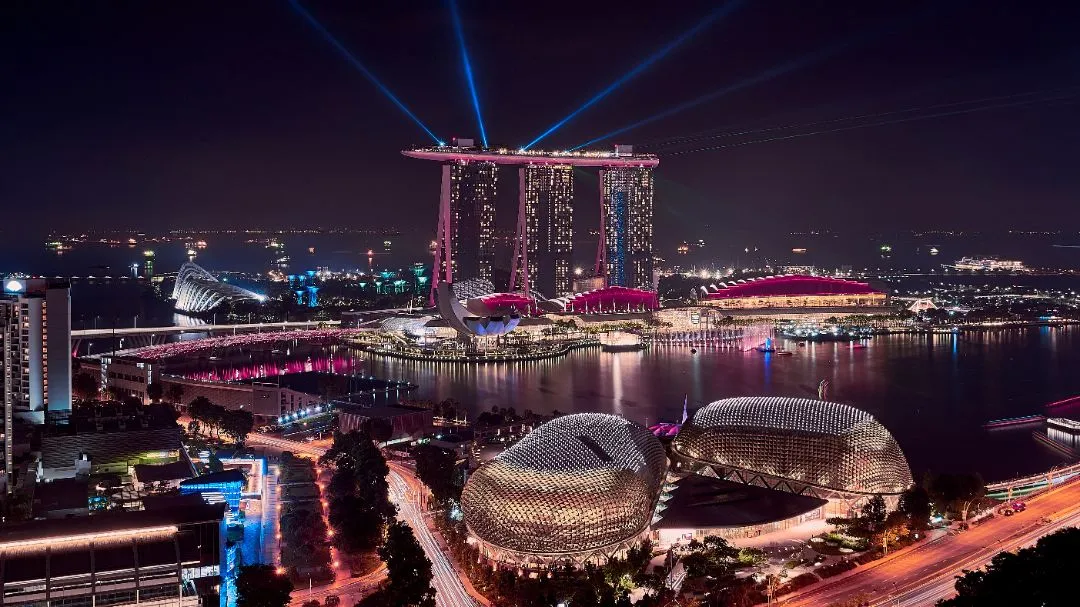
Photo by Kiko Ferranco on Unsplash

At the time, the company expressed the view that enabling crypto payments “added flexibility and convenience” for platform users, providing them with “a seamless and efficient way to access the company’s wide range of services.”


Philippine online news portal Philstar.com reported that Filipino users of the platform can now top up their GrabPay digital wallets with a range of cryptocurrencies, including Bitcoin (BTC) and Ethereum (ETH), as well as U.S. dollar stablecoins USDC and USDT.


In Singapore, Grab rolled out the offering in partnership with Triple-A, a company that enables businesses to pay and get paid in digital currencies. Singapore-based Crypto.com also partnered with the firm last year to enable direct crypto payments.


Financial inclusion

In extending the service to the Philippines, Grab has again partnered with Triple-A, alongside Philippine crypto exchange platform PDAX. CJ Lacsican, Grab Philippines’ vice president for cities, said that “integrating cryptocurrency as a cash-in option for GrabPay reflects [Grab’s] commitment to advancing financial inclusion in the Philippines.” 


She added that the move aims to empower a broader spectrum of Filipinos, particularly those who prefer the convenience of digital currencies and others who have limited access to traditional banking.


Triple-A CEO Eric Barbier said that the launch of GrabPay crypto top-ups went well in Singapore, with a fantastic response from Singaporean platform users. Following that rollout, Barbier believes that the Philippines is a market that’s ready for digital currencies. “This is a big step in making digital currencies easier to use in everyday life across Southeast Asia,” he added.


Driving crypto adoption

PDAX CEO Nichel Gaba suggested that the Philippines “has one of the largest crypto user bases globally,” adding that through this partnership, accessible use cases are being offered “that will both support the existing crypto community and drive greater adoption of cryptocurrency.” 


Grab first pivoted to Web3 with the integration of a Polygon-based crypto wallet in September 2023, with a view towards making crypto more accessible and usable for ordinary people. The super app, which is considered by many to be the “Uber of Southeast Asia,” has 42 million monthly transacting users (MTUs) across Cambodia, Indonesia, Malaysia, Myanmar, the Philippines, Singapore, Thailand and Vietnam. 


The development of the Grab Web3 Wallet came about as a consequence of a collaboration with USDC stablecoin issuer Circle. As part of a strategic partnership, Circle’s Web3 services platform was integrated into the Grab app.


More recently, Grab partnered with NATIX Network, a Solana ecosystem decentralized physical infrastructure network (DePIN) project, in an effort to collaborate on autonomous driving technology and mapping. 

More to Read
View All
Policy & Regulation·

Jul 27, 2023

Singapore High Court Recognizes Cryptocurrency as Personal Property

Singapore High Court Recognizes Cryptocurrency as Personal PropertyIn a significant ruling on July 25, Judge Philip Jeyaretnam of the High Court of Singapore declared that cryptocurrency is capable of being held in trust and should be recognized as property.The judge’s decision came in response to a case brought by Dubai-headquartered crypto exchange Bybit against its former employee, Ho Kai Xin, who was accused of transferring approximately 4.2 million Tether (USDT) from the crypto exchange to her private accounts without authorization.Photo by Tingey Injury Law Firm on UnsplashNo fundamental differenceIn his ruling, Judge Jeyaretnam emphasized that there is no fundamental difference between cryptocurrencies, fiat money, or even physical objects like shells when it comes to their status as property. He argued that as long as these objects hold value and are based on mutual faith, they can be considered property. The judge’s verdict is seen as a crucial step in establishing the legal status of digital assets within the Singaporean jurisdiction.Addressing the argument that cryptocurrencies lack physical presence and therefore cannot be considered property, Judge Jeyaretnam drew an analogy, stating: “We identify what is going on as a particular digital token, somewhat like how we give a name to a river even though the water contained within its banks is constantly changing.” By equating cryptocurrencies to named entities, the judge made it clear that physical tangibility is not a prerequisite for something to be classified as property.Cryptocurrencies have valueFurthermore, the ruling challenges the perception that cryptocurrencies have no “real” value. Judge Jeyaretnam firmly refuted this notion, highlighting that the value of any asset, whether physical or digital, is ultimately determined by collective human belief and judgment.One critical classification made by the judge is grouping cryptocurrencies under the category of “things in action” within British common law. This categorization means that cryptocurrencies are considered a form of property, over which personal rights can be claimed and enforced through legal actions, rather than requiring physical possession.The judge’s decision also referenced the Monetary Authority of Singapore’s (MAS) consultation paper, which proposes implementing segregation and custody requirements for digital payment tokens. By taking cues from the MAS’s stance on digital assets, the court emphasized the legality of holding cryptocurrencies on trust, as long as practical methods for identification and segregation are in place.Cues taken from existing lawSingapore’s legal framework for property also played a crucial role in the ruling. Judge Jeyaretnam pointed to Order 22 of Singapore’s Rules of Court 2021, which defines “movable property” to include various assets, such as cash, debts, bonds, shares, and cryptocurrency or other digital currency. This inclusion reinforces the recognition of cryptocurrencies as a valid form of property within Singaporean law.In April of this year, a Hong Kong court reached a similar conclusion, recognizing cryptocurrency as property. In the High Court of Justice in London the following month, non-fungible tokens (NFTs) were recognized as “private property.”Overall, Judge Jeyaretnam’s ruling represents a significant milestone in the legal recognition of cryptocurrencies in Singapore. By acknowledging cryptocurrencies as property, the court provides greater clarity and certainty for crypto users and investors while affirming the importance of embracing digital assets within the nation’s legal framework.

news
Policy & Regulation·

Apr 11, 2023

Hong Kong Setting High Bar on Crypto Rules

Hong Kong Setting High Bar on Crypto RulesLucy Gazmararian, a Fintech Advisory Group member of Hong Kong’s Securities and Futures Commission (SFC) and founder of crypto venture firm Token Bay Capital has said that the standards for Virtual Asset Service Providers (VASPs) in Hong Kong are incredibly high.©Pexels/Brayden LawThe Securities and Futures Commission (SFC) has established these strict guidelines as they want the crypto industry to adhere to the same compliance standards as traditional financial firms.Gazmararian made the comments in discussion with Cointelegraph on the fringes of the Hong Kong WOW Summit. Although the bar is set high, Gazmararian maintains that it is not without good reason. The SFC’s approach is to ask VASPs to apply the same standards that existing financial institutions such as huge banks and asset managers must comply with.Short term challengesAccording to a consultation paper released by the SFC on February 20th, licensed VASPs may serve retail investors, but the standard of investor protection measures imposed needs to be considered. Additionally, Anti-Money Laundering (AML) and Know Your Customer (KYC) policies were also discussed.While these high standards may benefit the industry in the long run, Gazmararian believes they may pose challenges for the crypto industry in Hong Kong over the short term. She explained that many crypto businesses are in the startup phase and have funding but not huge amounts. Therefore, complying with the framework may incur significant costs. Gazmararian mentioned the need for local VASPs to have insurance, independent assessment reports, and store crypto in cold storage. It is important to note that these costs may prevent some startups from entering the market, which may have consequences on the industry’s growth in Hong Kong.The Token Bay Capital founder believes that with a solid regulatory framework in place, more well-capitalized financial firms will be willing to help promising startups get off the ground. In her opinion, the companies that receive a license will be upholding the most stringent standards.Ambitions to be global crypto hubThe SFC has encouraged individuals, corporations, and crypto firms to review the 361-page consultation paper and provide feedback. The securities regulator wants these entities to share their views and point to things that may have been missed. According to Gazmararian, the SFC is “absolutely focused” on getting everything right, so they are seeking input from a wide range of sources.Submissions for feedback on the consultation paper closed on March 31. Hong Kong has made significant strides in recent months to establish itself as the world’s next crypto hub. According to a March 20 statement by the Secretary for Financial Services and the Treasury, Christian Hui, more than 80 digital asset firms have expressed interest in establishing a presence in Hong Kong over the last few months. This interest is a testament to the growing importance of the crypto industry and the favorable environment that Hong Kong is creating for its growth.

news
Policy & Regulation·

Oct 31, 2025

Bybit halts new user onboarding in Japan as regulators advance crypto rules

Dubai-based crypto exchange Bybit said it will temporarily pause the onboarding of new users in Japan as it adjusts to regulatory changes under the country’s Financial Services Agency (FSA). In a statement released on Oct. 30, the company explained that the suspension is part of its effort to reassess compliance obligations and align with upcoming local standards. Starting Oct. 31 at 12:00 p.m. UTC, Bybit will no longer accept new account registrations from Japanese nationals or residents. The company added that the change will not affect existing customers, whose services will remain uninterrupted for now. The decision landed amid a shifting domestic policy backdrop. Policymakers at the FSA have been weighing the treatment of crypto assets under the Financial Instruments and Exchange Act, viewing digital tokens through the lens of investment products. Officials have pointed to sharp price volatility and cyber-theft risks as reasons to strengthen safeguards for depositors and insured individuals.Photo by Cosmin Georgian on UnsplashBanks and insurers face ban on crypto salesAccording to an Asahi Shimbun report cited by Yonhap News, the FSA is set to prepare a draft framework that would bar banks and insurance companies from selling crypto directly, while permitting sales through brokerage firms. The draft was said to be slated for submission to the regular Diet session next year. In order to preserve a level competitive field, the authority plans to allow securities arms of banks and insurers to distribute tokens, given that online brokerages already offer crypto exposure. The same report suggested that banks and insurers could be allowed to hold and manage crypto assets once adequate risk management systems were in place. Market developments have continued alongside the policy work. Reuters reported that a yen-pegged stablecoin called JPYC launched on Oct. 27, issued by a company of the same name and backed by domestic savings and Japanese government bonds. An earlier Nikkei article had signaled that regulatory approval was expected, leaving timing as the main open question until the debut. Economic stimulus at odds with rate hike talkBroader macroeconomic policy has also been in focus for crypto investors. Some analysts have argued that an economic stimulus package announced by Japan’s newly elected Prime Minister Sanae Takaichi could channel fresh capital into markets and, by extension, provide a tailwind for Bitcoin. On social media platform X, BitMEX co-founder Arthur Hayes suggested that additional government support for households and businesses might propel the largest cryptocurrency toward the $1 million mark. Monetary policy remains a counterweight. The Bank of Japan kept its benchmark rate at 0.5% on Oct. 30, which led to a weaker yen and boosted demand for government bonds. According to Reuters, Governor Kazuo Ueda indicated that wage trends would guide the next step, leaving open the possibility of a rate increase as early as December. Higher interest rates typically raise borrowing costs and can damp risk appetite, dynamics that often weigh on speculative assets such as cryptocurrencies. Investors are watching how Japan’s evolving rulebook, fiscal support, and cautious monetary tightening intersect—and how that mix ultimately shapes crypto participation and pricing in one of Asia’s most closely observed markets. 

news
Loading