Top

Bhutan moves $66M in Bitcoin to Binance

Policy & Regulation·October 30, 2024, 2:11 AM

The Royal Government of Bhutan has moved $66 million in Bitcoin (BTC) to global crypto exchange Binance. That’s according to blockchain data analytics firm Arkham Intelligence, outlining that the assets were moved to Binance over two separate transactions. The firm took to the X social media platform on Oct. 29 to highlight the digital asset transfer. In its X post, the firm wrote:

”Crypto wallets belonging to the Royal Government of Bhutan moved $66.55M BTC to Binance this morning. The last time they deposited to exchanges was 4 months ago, at the start of July.”
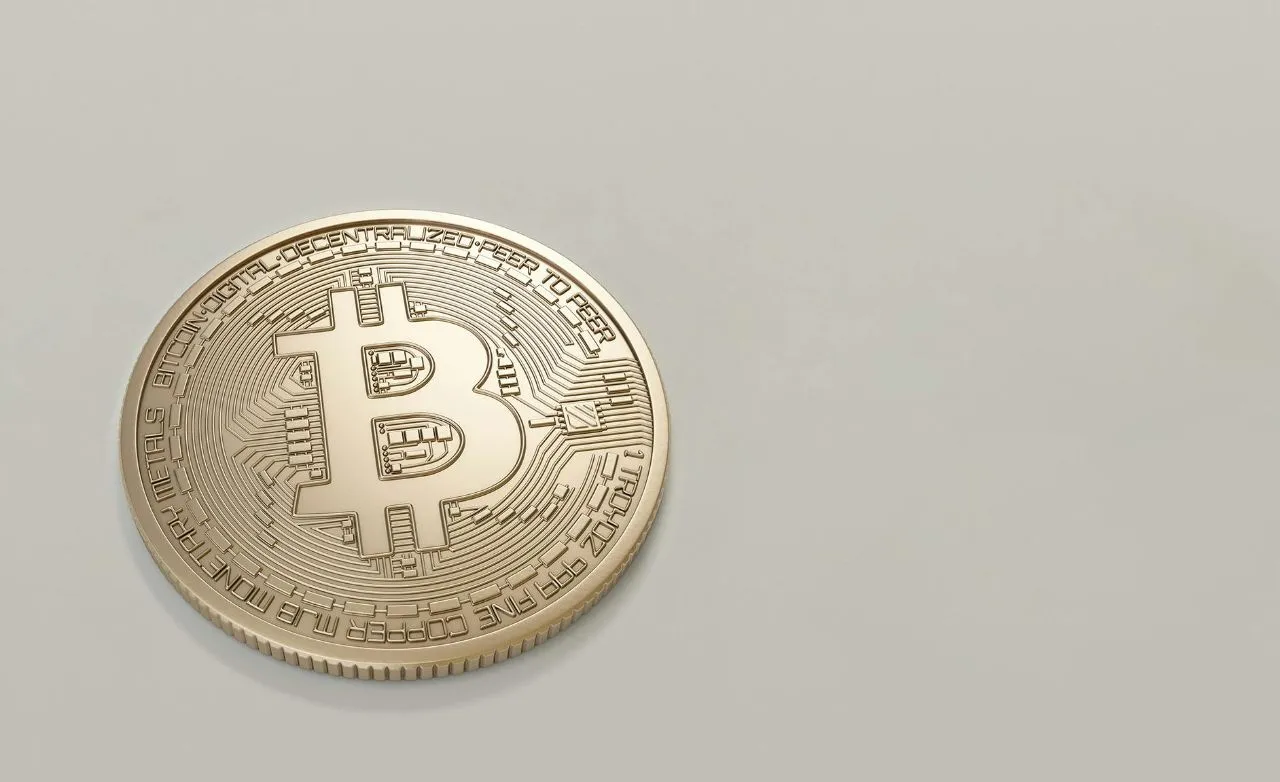
https://asset.coinness.com/en/news/54b96dcf13f09ac9b6955c6b7bcc4eed.webp
Photo by Moose Photos on Pexels

Sell-off concerns

Some crypto community commentators have expressed concern of a sell-off given that the nation nestled in the Himalayas still has a holding of 12,456 Bitcoin, worth in the region of $900 million. The transfer was made on a day in which Bitcoin reached a unit price in excess of $73,000. 


Arkham outlined that geographical data suggests that Bhutan’s Bitcoin mines remain active. On Oct. 29, they had accumulated $600,000 worth of Bitcoin mining rewards on-chain. 


In this latest market activity, the Bhutanese began selling when the Bitcoin unit price had exceeded $70,000. As Bitcoin reaches towards new all-time-high pricing, Bitcoin whales often take profits.


Mining Bitcoin since $5K

It emerged in 2023 that Bhutan had been quietly mining Bitcoin over the course of a number of years, since the leading digital asset had a unit price of around $5,000. The commercial activity has been enabled via Druk Holding and Investments (DHI), the commercial arm of the Royal Government of Bhutan. The Asian nation has ample hydroelectricity resources, being the only carbon-negative country in the world. Consequently, all its Bitcoin mining is carried out using hydro.


While mining activity had been ongoing for a number of years and had largely gone unnoticed by the industry, an entanglement between DHI and failed crypto lenders BlockFi and Celsius brought more attention onto the Bhutanese holding company’s activities relative to crypto. 


Lawsuits

DHI was sued by BlockFi with the action subsequently voluntarily dismissed. In the case of Celsius it withdrew around $65 million from the platform prior to Celsius declaring bankruptcy. As a consequence, Celsius is currently suing DHI to claw back the funds that were removed from the platform.


In 2023 Singaporean Bitcoin mining firm Bitdeer entered into a partnership with DHI with a view towards jointly developing green digital asset mining operation within the Kingdom of Bhutan. At the time, DHI CEO Ujjwal Deep Dahal said that the partnership formed part of an overall strategy to ensure that Bhutan took its place at the forefront of global innovation.


Arkham Intelligence outlined on X that in H2 2023, Bhutan’s Bitcoin mining operations were producing in the region of 26 Bitcoin per day, or 780 Bitcoin per month. However, over the past three months, that mining rate has decreased to 8.6 BTC per day or 260 BTC per month. Arkham suggests that the Bitcoin halving, together with the increase in the Bitcoin hashrate, explains the reduced output, although it speculated that some unknown issue with Bitcoin mining rigs may also be a contributing factor. 

More to Read
View All
Policy & Regulation·

Dec 13, 2023

Dubai approves crypto license for climate-friendly Web3 startup

Dubai approves crypto license for climate-friendly Web3 startupIn a move that shows some potential towards fostering sustainable innovation within the crypto space, Dubai’s Virtual Assets Regulatory Authority (VARA) has granted a conditional license to Web3 Innovations FZE, which trades as “AYA.”Licensed subject to fulfilling conditionsAYA is the Dubai-based subsidiary of Singapore-headquartered Web3 launchpad, incubator and advisory service, Enjinstarter. The license will enable AYA to offer management and investment services related to crypto assets. However, the license remains non-operational at the moment, as it has been awarded subject to the fulfillment of specific conditions outlined by VARA. The conditional license, awarded on Tuesday, has significance as it is indicative of a commitment from the Dubai authorities to supporting environmentally conscious initiatives in the Web3 ecosystem.The license awaits full compliance with VARA’s stipulated conditions and select localization requirements. Enjinstarter’s AYA platform will undergo further regulatory verification and approval once these prerequisites are met, as stated in the official announcement:“The license remains non-operational until the company fully satisfies all remaining conditions and select localization requirements defined by VARA.”Dubai ‘obvious choice’Back in October, Enjinstarter confirmed Dubai as the chosen location for its AYA platform. At the time, Enjinstarter MENA’s Managing Director, Vasseh Ahmed, described it as the “obvious choice.” Vasseh stated:”No other jurisdiction provides the regulatory clarity and sustainability focus we are looking for. Beyond that, there is a palpable sense of action here, specifically in terms of real-world asset regulation and climate action.”Prakash Somosundram, the co-founder and CEO of Enjinstarter and the AYA Foundation, expressed the company’s dedication to adhering to the regulatory process outlined by VARA.Photo by Qingbao Meng on UnsplashClimate-focused launchpadAYA stands out as a climate-focused launchpad, championing sustainability through initiatives such as reforestation, nature credits, mangrove conservation and sustainable agriculture. Beyond its role as a finance platform for green initiatives, AYA actively supports climate action projects, leveraging blockchain and Web3 infrastructure.As AYA works towards fulfilling VARA’s operational license requirements, the company has also unveiled a collaboration with The Storey Group based in the United Arab Emirates (UAE). This joint effort aims to plant mangroves in Dubai, reinforcing AYA’s commitment to combating climate change. Vasseh Ahmed, Managing Director of Enjinstarter MENA, emphasized the company’s mission:“We are looking to work with founders and projects that have a unique proposition within our key focus areas by helping them build their product narrative, raise capital, and launch their projects.”In a recent interview, Deepa Raja Carbon, Managing Director and Vice Chair at VARA, highlighted the regulator’s agile and collaborative approach. VARA remains committed to responding swiftly and effectively to market needs by engaging in conversations with industry leaders, innovators, peer regulators and legislators. Carbon emphasized the comprehensive and market-aligned guidelines crafted in collaboration with Dubai’s established entities, ensuring a unified framework for the evolving crypto landscape.Dubai’s move to grant a conditional crypto license to AYA appears to reflect a forward-thinking approach, aligning with global efforts to integrate sustainability into the rapidly evolving Web3 and crypto ecosystem.

news
Policy & Regulation·

Feb 07, 2024

India moves cautiously on CBDC to address privacy concerns

India is strategically navigating the development of its digital rupee, with the Reserve Bank (RBI) actively addressing privacy concerns through technological solutions in its central bank digital currency (CBDC) pilot programs. According to a recent report by CoinDesk, a senior official with insights into these initiatives revealed that while progress is evident, the RBI is proactively exploring ways to ensure privacy in the use of the digital rupee.Photo by Julian Yu on UnsplashPursuing mechanisms to maintain anonymityThe RBI has introduced a new dimension to the discourse on privacy concerns associated with CBDC usage. The central bank official suggested that the RBI may seek legal backing from India’s finance ministry to enact legislation allowing customers to delete transactions for the purpose of maintaining anonymity. New-found urgencyPublic statements from the RBI suggested a lack of urgency in implementing a full-scale retail CBDC, coupled with a reluctance to provide a specific timeline. However, recent events indicate that an underlying sense of urgency may be emerging. In the past month, the retail CBDC achieved a notable milestone, processing one million transactions in a single day, with support from various banks. Several banks, including HDFC Bank, Kotak Mahindra Bank, Axis Bank, Canara Bank, IDFC First Bank and Union Bank of India, reportedly encouraged their employees to deposit funds in CBDC instead of fiat currency, contributing to this achievement. The official overseeing the CBDC development emphasized the necessity for experimentation and substantial efforts to ensure the security of the digital currency. While the settlement aspect is considered straightforward, addressing latency remains a priority for the RBI. No mandate on taxThe RBI, historically known for its opposition to crypto both domestically and globally, clarified that crypto taxation is not within its mandate. This clarification suggests that the RBI might not object if the Indian government decides to reduce the stringent taxes currently imposed on cryptocurrencies. The central bank clarified that it lacks the mandate to express a viewpoint on reducing a contentious tax that has stirred debate within the crypto industry. The RBI has been a driving force behind the adoption of wholesale and retail CBDC since late 2022 when it initiated pilot programs. The official emphasized that taxation matters fall under the government’s purview, reinforcing the RBI’s focus on its designated responsibilities. Similarly, the country’s judiciary recently turned down a plea to have it formulate a crypto regulatory framework, outlining that this too is up to the government to address. The central bank has a historical context of attempting to ban cryptocurrencies, with effective prohibitions in place between 2018 and 2020 until a Supreme Court order overturned the ban. Since then, the RBI has consistently expressed concerns about cryptocurrencies in various forums, including the Group of 20, where India played a leading role in coordinating global regulation in the crypto space. Recent utterances from the RBI governor, Shaktikanta Das, suggest that the regulator is disinterested in seeing the offering of spot crypto exchange-traded funds (ETFs) in India despite that eventuality coming to pass last month in the United States. Das also spoke positively recently about the tokenization of real-world assets using blockchain technology.

news
Markets·

Jul 18, 2025

ETH surge being led by Asian market

Over the course of the past two weeks, the unit price of Ethereum (ETH) has surged 32%, with a report from a Singapore-based crypto financial services firm asserting that the Asian market has had a large part to play in that increase. Taking to X on July 16, Matrixport, a crypto financial services platform, provided its daily analysis in which it suggested that “Ethereum’s recent outperformance appears to be heavily influenced by Asia.”Photo by DrawKit Illustrations on UnsplashAsian market influenceThe company included a graph in which it had plotted Ethereum’s recent performance during Asian trading hours, asserting that as much as 17% of the uptick in the Ether unit price can be accounted for by the actions of market participants within the Asian market. It added:"The influence of the Asian market in the pricing of crypto assets is continuing to rise, whether in terms of volatility or trading momentum.” ETH ETFs in Hong KongSpot ETH exchange-traded funds (ETFs) were approved in Hong Kong in April 2024. Hong Kong ETH ETF volumes have risen substantially in July, with significant inflows being recorded related to both retail and institutional investors.  In the past, many commentators have suggested that the addition of staking would be an attractive prospect for institutional investors who like the idea of accumulating an ongoing yield. With that, Asian investors may be enticed to delve further into Ethereum positions going forward, given that ETF issuers are trying to add that component to their offerings. Huaxia Fund, a subsidiary of China Asset Management (ChinaAMC), is preparing to launch staking as part of its ETH ETF. Another potential driver for ETH in Asia in the future lies with the ongoing enablement of trading via established institutions. Earlier this week, China Merchants Bank’s brokerage arm received a virtual asset license in Hong Kong to trade crypto assets. It’s the first mainland China-affiliated brokerage to be awarded such a license, with licensing enabling it to offer trading services related to assets like Ether. Global assetWhile Asia is playing a role in ETH’s recent move upwards, the asset is traded globally and with that, factors further afield are also playing a role. Tom Lee, founder of American financial research firm Fundstrat, pointed out on X that ETH had been range-bound since 2021. However, he believes that the rise of stablecoins, which by and large run on Ethereum, together with ongoing growth in the tokenization of real-world assets (RWAs), is driving demand for the digital asset. While Bitcoin treasury companies have played a significant part in driving Bitcoin in recent months, Ethereum is starting to see similar activity. Lee made the point that Strategy (formerly MicroStrategy) “set the standard for Treasuries,” but that now BitMine “wants to be the Microstrategy of Ethereum.” The crypto mining and treasury firm confirmed on July 17 that it now holds $1 billion worth of Ethereum. Arthur Hayes, co-founder of BitMEX and chief investment officer (CIO) at Hong Kong family office, Maelstrom, said that it was “ETH szn” and that the Maelstrom Fund is buying the digital asset. Tom Dunleavy, head of venture at Varys Capital, asserts that ETH will hit a unit price of $10,000 by the end of 2026.

news
Loading