Top

Boyaa Interactive Greenlights $5 Million Investment in Bitcoin and Ether

Web3 & Enterprise·August 12, 2023, 1:55 AM

Boyaa Interactive International Limited, a Hong Kong-based investment holding company with a track record in developing online chess, card, and puzzle games, has made a strategic move with a proposed investment in digital assets.

The company’s board of directors has recently given the green light for the allocation of a substantial budget amounting to $5 million for the purpose of acquiring cryptocurrencies.
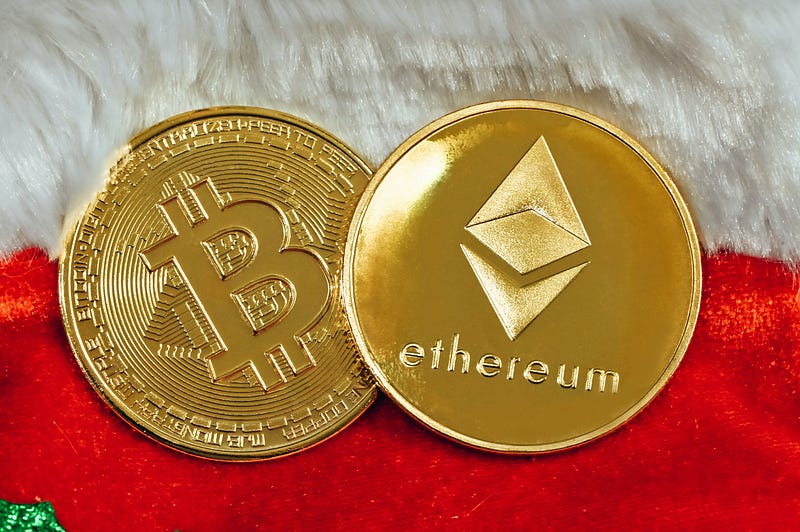
Photo by Traxer on Unsplash


Web3 positioning

The Chinese company, incorporated in the Cayman Islands, announced the move as Boyaa Interactive seeks to position itself for a dynamic shift into the realm of Web3.

While the exact allocation breakdown was not detailed in the disclosure, the company outlined that its primary focus would be on procuring established cryptocurrencies, specifically Bitcoin (BTC) and Ether (ETH). Boyaa Interactive intends to execute these purchases through regulated and licensed trading platforms within the upcoming year.

In a letter addressed to its shareholders and potential investors, the company emphasized the strategic nature of this decision:

“The purchases of cryptocurrencies are for the consideration of the Group’s future business layout into the field of Web3. The Board is of the view that the purchases of cryptocurrencies (including mainly Bitcoin (BTC) and Ether (ETH)) by the Group are in the interests of the Company and its shareholders as a whole.”


A challenging recent history

The move towards cryptocurrencies is a significant pivot for Boyaa Interactive, a company that has navigated a series of challenges in recent years. In 2018, the company’s Chairman and CEO, Zhang Wei, faced legal troubles and was sentenced to 12 months in prison for bribery, which led to his resignation from all executive and management positions.

Subsequent restructuring saw Dai Zhikang stepping in as the new Chairman of the board, while Tao Ying assumed the role of an Executive Director and Chairman of the Nomination Committee.

Financially, Boyaa Interactive experienced a tough period marked by revenue contraction. The company reported revenue declines over the course of 2018, largely attributed to a governmental crackdown on online poker applications and the discontinuation of poker as a recognized competitive sport. Regulatory risks stemming from the Chinese government’s stance on Texas Hold’em poker games resulted in a substantial falloff in revenue by comparison with past performance.


Funds seizure

These challenges cascaded into the following year, when the company encountered a substantial freeze on its funds. In 2019, a Chinese court ordered the freezing of RMB 635 million (approximately $88.6 million) belonging to Boyaa Interactive, following the legal actions against Zhang Wei and his associated entities.

One of the company’s subsidiaries, Boyaa Shenzhen, was found guilty of offering bribes. The company responded by clarifying that the frozen funds could potentially be confiscated if linked to Zhang’s misconduct. However, Boyaa Interactive also stressed that it had not been directly implicated in the case, thus mitigating the legal risks to the broader organization.

Amidst these adversities, Boyaa Interactive’s decision to invest in cryptocurrencies demonstrates its openness to adapting to changing technological landscapes and exploring new opportunities in Web3.

More to Read
View All
Web3 & Enterprise·

Dec 29, 2023

Filipino exchange Coins.ph adds BRC-20 support

Coins.ph, the leading crypto exchange in the Philippines, has announced its support for BRC-20 tokens. As part of that move, the exchange has successfully integrated the ORDI token, thereby becoming the inaugural platform in the country to embrace the BRC-20 standard. The platform clarified its support for BRC-20 in a recent blog post, which it published to its website. Coins.ph revealed its intention to expand its services further by adding support for additional BRC-20 tokens, showcasing a forward-looking approach to cater to the evolving needs of its user base. BRC-20 is a standard facilitating the creation of fungible tokens on the Bitcoin blockchain. The inclusion of this technical standard allows for the minting of tokens with unique features, introducing a new dimension to the capabilities of the world's flagship cryptocurrency.Photo by Kanchanara on UnsplashORDI memecoin additionORDI stands out as one of the most popular BRC-20 tokens, gaining traction and reaching an all-time high above $81 earlier this week. This surge in value followed the addition of trading support by crypto exchange Binance in early November, underscoring the influence of strategic partnerships and market dynamics on token performance. Wei Zhou, CEO of Coins.ph, expressed the company's commitment to staying at the forefront of digital asset innovation through this strategic move. Highlighting the remarkable growth in BRC-20 activity since its launch earlier in the year, Zhou emphasized the importance of enabling users to participate in these opportunities. He mentioned the recent listing of $ORDI and hinted at future product offerings enabled by the BRC-20 standard. Industry trendWhile coins.ph may have been the first exchange in the Philippines to introduce BRC-20 support, it's not the first mover in the broader Asian region. Back in May, leading crypto exchange OKX decided to support the BRC-20 standard through its OKX Wallet product. The company’s support of the standard was validated more recently when it emerged that BRC-20 support played a large role in OKX NFT Marketplace taking top rank as the NFT marketplace with the greatest trading volume earlier this month. Seychelles-based crypto derivatives platform Bitget has also identified the associated growth potential. Earlier this week, the platform unveiled a plan to support development within the Bitcoin ecosystem, inclusive of BRC-20. The fusion of ordinals and BRC-20 enables users to embed images, texts or audio, among other data, into satoshis—the smallest units of BTC. Bitcoin community controversyAmidst these developments, concerns have been raised by Bitcoin core developer Luke Dashjr. On Dec. 6, Dashjr disclosed that developers are working to remove Bitcoin inscriptions before the v27 update scheduled for the next year. This would imply the elimination of ordinals and BRC-20 from the Bitcoin landscape. Dashjr clarified that Bitcoin Core has allowed users to set limits on extra data size in transactions since 2013 through the "datacarriersize" setting. Despite this, inscriptions have found a way to bypass the limit by obfuscating their data as program code. He reassured the community that a recent bug in Bitcoin Knots v25.1 has been fixed, addressing concerns about vulnerability.

news
Policy & Regulation·

Aug 23, 2023

Oman’s Crypto Mining Expansion Signals Further Economic Diversification

Oman’s Crypto Mining Expansion Signals Further Economic DiversificationOman has recently unveiled a state-of-the-art digital asset mining facility, as it continues in its quest to diversify its economy beyond oil exports.$150 million facilityThis cutting-edge mining facility was recently inaugurated, valued at around 135 million Omani rials, approximately $150 million, as a result of collaboration between Exahertz, an Omani company, and Moonwalk Systems, a Dubai-based blockchain solutions firm.Situated within the Salalah Free Zone, a hub that offers tax benefits to corporate entities, the facility is powered by mining hardware provided by leading Chinese mining equipment manufacturer Bitmain Technologies and is primed to house 2,000 machines, making for an 11-megawatt facility.Photo by Anusree Mohan on UnsplashExpansion plansSam Ferdows, the CEO of Moonwalk Systems, hailed the project, emphasizing the company’s dedication to expanding the facility’s capacity. Ferdows shared that plans are already in motion to increase the mining operation’s capacity to accommodate 15,000 miner units by October, with aspirations to expand to multiple cities. Recognizing the importance of corporate social responsibility relative to sustainability, Moonwalk Systems aims to train citizens through dedicated programs, further promoting the growth of the digital asset sector.Engineer Said Hamoud, Oman’s Minister of Transport, Communications, and Information Technology, who led the inauguration of the project, underscored its significance as a pivotal step in the nation’s digital transformation. He expressed confidence that the new mining facility would contribute to Oman’s growing digital economy.Second mining projectThis marks Oman’s second major move into the cryptocurrency mining space within nine months. Back in November 2022, the country inaugurated its first mining facility with a price tag of approximately $389 million. The combined investment in these ventures totals $740 million, which aligns with the broader regional push toward embracing the opportunities presented by blockchain and Web3 technologies.In the Middle East, several governments are actively investing in blockchain-related infrastructure. The United Arab Emirates, a neighbor to Oman, has notably begun to accept applications from Web3-related companies. The Virtual Assets Regulatory Authority (VARA), the local regulator in Dubai, has rolled out comprehensive regulatory directives that govern licensing requirements, company operations, and compliance.Oman, for its part, is not just focusing on infrastructure. It is also addressing regulatory aspects by requiring registered digital asset firms to establish a presence within the country. Evidence of those efforts emerged earlier this month when the Omani regulator, the Capital Market Authority (CMA), invited public feedback on a consultation paper that feeds into the development of a virtual asset regulatory framework in Oman. This versatile approach suggests that the Sultanate is making a conscious commitment to fostering a thriving blockchain ecosystem within the country.As Oman attempts to position itself as a regional blockchain hub, it recognizes the transformative power of cryptocurrencies and blockchain technology in propelling its economy forward. On that basis, the Middle Eastern country is making a resolute pivot from its oil-based past to a blockchain-enabled future.

news
Policy & Regulation·

May 12, 2023

LDP Working Group Proposes Web3 Industry Plan to Japan’s Prime Minister

LDP Working Group Proposes Web3 Industry Plan to Japan’s Prime MinisterJapan’s ruling Liberal Democratic Party (LDP) announced that its Working Group for Digital Society Promotion presented a proposal related to the Web3 industry to Prime Minister Kishida Fumio on Tuesday. The information was made public on the party’s website and later reported by the Korean crypto media outlet Tokenpost.Photo by Jezael Melgoza on UnsplashImproved crypto regulationsThe comprehensive 35-page study favorably reviewed the enhanced cryptocurrency regulations implemented by the Japanese government following the 2014 Mt. Gox breach and the 2018 Coincheck hack. The study credits these improved regulations for nurturing Japan’s robust Web3 ecosystem, which received global attention amidst the recent crypto winter. This term refers to a period marked by a sustained downturn in cryptocurrency values.Japanese crypto exchanges demonstrated prudence by refraining from listing most of the problematic tokens on their platforms, thereby averting panic within the market. This cautious approach was supported by Japanese law, which mandates crypto exchanges to securely store customers’ staked tokens separately. As a result, they were shielded from the repercussions of the FTX bankruptcy, which arose due to a liquidity crisis of FTT, the global crypto exchange’s native token.Significance of security tokensThe paper optimistically projected that Japan could lead the way in passing through the crypto winter ahead of other countries, citing the nation’s track record of overcoming numerous challenges in the industry. The authors highlighted the exit of speculative projects from the sector, balanced by the rise and continuous growth of new blockchain-based businesses. The report underscored the significance of tradable security tokens, which leverage blockchain technology to represent assets or rights.The adaptable nature of blockchain technology was emphasized, particularly its potential to incentivize social activities like volunteering. This versatility enables the broader public to actively participate in monitoring and addressing issues related to deteriorating infrastructure, thereby reducing associated management costs across society.Crypto taxationThe proposal also addressed the issue of crypto taxation, arguing for enhancements to the token investment environment to bolster blockchain-driven businesses. Currently, Japan taxes tokens held by corporations, discouraging domestic investment and stifling the growth of the Japanese Web3 ecosystem. To rectify this, the paper suggested exempting tokens issued by a third party from taxation if they are not intended for short-term trading.Moreover, the authors addressed the high taxation rates facing retail investors in Japan, which can reach up to 55% on income from crypto trading. This stricter tax regime compared to other countries has led many taxpayers to seek investment opportunities abroad. The authors suggested improvements to create a more investor-friendly environment.Token listing procedureThe proposal also included recommendations concerning token listings. In Japan, crypto exchanges are currently obligated to undergo a preliminary review conducted by the Japan Virtual and Crypto Assets Exchange Association (JVCEA) before listing tokens. It was suggested that the review process should be further refined to enhance efficiency.Yen stablecoinsThe authors emphasized the importance of introducing and circulating yen stablecoins to foster the growth of the Japanese Web3 industry, necessitating the development of a sustainable business model for these stablecoins.Content & Web3Furthermore, the proposal underscored the need for clear guidelines to discourage gambling behaviors and promote responsible usage within the NFT space. It advocated for the establishment of an industry organization bridging the content industry and the Web3 industry, which would facilitate collaboration and collective efforts towards a robust NFT ecosystem in Japan. Measures to protect Japanese content and data from unauthorized monetization by foreign entities were also recommended.According to an industry official who spoke with Tokenpost, Japan’s extensive preparations for the Web3 initiative have instilled confidence in the sector. The official highlighted that the country is currently exploring ways to establish connections between these new projects and existing industries, with the goal of maximizing their economic potential and generating fruitful outcomes.

news
Loading