Top

Crypto.com’s Dubai-based subsidiary secures crypto license

Web3 & Enterprise·November 15, 2023, 5:15 AM

CRO DAX Middle East, the Dubai-based subsidiary of Singapore-headquartered cryptocurrency exchange platform Crypto.com, has achieved a significant milestone by obtaining a license from the emirate’s Virtual Assets Regulatory Authority (VARA) to provide specified virtual asset services.
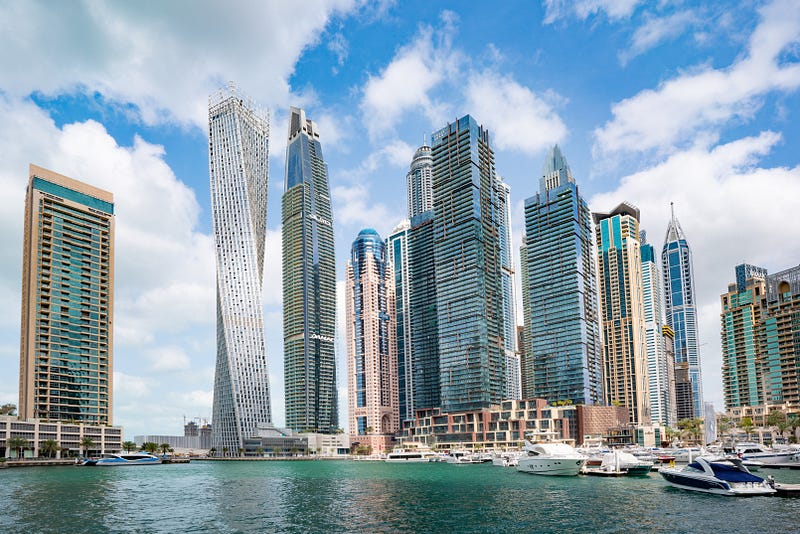
Photo by Timo Volz on Unsplash


Expanding product offering in Dubai

The approval, announced by the firm via a press release published to its website on Tuesday, marks a pivotal moment for the Singapore-based Crypto.com, allowing it to offer regulated virtual asset services in Dubai, including exchange services, broker-dealer services, management and investment services as well as lending and borrowing services.

The virtual assets service provider (VASP) license is contingent upon CRO DAX Middle East meeting specific conditions and localization requirements outlined by VARA. Once these conditions are satisfied and the operational approval notice is received from the regulator, the company will be poised to commence operations. These services will be made accessible to both retail and institutional users through Crypto.com’s app and exchange platform.

Kris Marszalek, CEO of Crypto.com, expressed his enthusiasm for Dubai’s regulatory approach, stating: “Dubai continues to show it is a leading market when designing effective regulation for the crypto space while still supporting adoption and innovation.”


Dubai’s virtual asset sector development

The regulatory framework for virtual assets in Dubai was established under the Dubai Virtual Asset Regulation Law in March 2022, leading to the creation of VARA. Sheikh Mohammed bin Rashid, Vice President and Ruler of Dubai, founded VARA with the aim of developing an advanced legal framework to safeguard investors. Furthermore, the objective was to set international standards for the governance of the virtual asset industry, while fostering responsible business growth.

VARA issued regulations in February to provide clarity and certainty on the expected level of operator responsibility and to mitigate market risks. This move aligns with the broader context of global cryptocurrency regulations, aiming to create a safe environment for investors in the wake of recent collapses of major platforms.

Crypto.com is working to become one of the first virtual asset exchanges to implement its VASP license in accordance with VARA’s specialized regulations issued earlier this year. The company had previously received its minimum viable product provisional license in June 2022 and the MVP preparatory license in March of the current year. The operational license, which follows the preparatory and provisional stages, grants virtual asset service providers permission to conduct activities in seven specified categories.


Adapting to the market

The company has also been working on licensing in other markets. In Singapore, where it is headquartered, the company received a Major Payment Institution (MPI) trading license from the Monetary Authority of Singapore (MAS) in June. The company has also re-calibrated its offering based on market shifts. Earlier this year, it halted its institutional exchange service in the United States due to a downturn in institutional demand stateside.

In March 2022, Crypto.com declared Dubai as its regional hub for the Middle East and North Africa (MENA), solidifying its commitment to expanding its presence and contributing to the growth of the cryptocurrency ecosystem in the region.

More to Read
View All
Web3 & Enterprise·

Nov 03, 2023

SK Securities introduces fractional investment service with three partners

SK Securities introduces fractional investment service with three partnersSK Securities, a major South Korean securities firm, announced on Friday (local time) that it has launched a service aimed at enabling fractional investments.Photo by Mathieu Stern on UnsplashReal estate, artworks and luxury goodsThis service involves three fractional investment companies: real estate platform Funble, online art auction house Seoul Auction Blue and luxury goods platform Treasurer.This offering represents the first phase of the fractional investment alliance, delivering a wide array of investment insights from these platforms. Funble presents details on housing subscriptions, special housing supplies and key real estate market indicators. Seoul Auction Blue provides analyses of the art market along with information on individual artworks. Additionally, Treasurer offers insights into an assortment of luxury collectibles, including fine wines. Customers of SK Securities can easily access this service through the company’s mobile trading system called Frequency 3.0.Second phase in H1 2024As part of the second phase, SK Securities is developing an API-integrated system designed to link with assets on these fractional investment platforms. This system is slated for launch in the first half of the upcoming year.An SK Securities spokesperson explained that the firm has rolled out this novel service to guide its clients through the emerging arena of fractional investments, while also enriching their investment options. Beginning with this offering, SK Securities aims to broaden its collaborative efforts with fractional investment entities. Furthermore, the firm is committed to advancing the security token ecosystem, which will involve channeling investments into blockchain startups and participating in security token consortiums.On a related note, SK Securities inked a memorandum of understanding (MOU) with Woori Bank and Samsung Securities in September, targeting the development of business models for security tokens within the bounds of regulatory compliance.

news
Web3 & Enterprise·

Sep 13, 2023

Korean Securities Firms Unite to Build Shared Security Token Infrastructure

Korean Securities Firms Unite to Build Shared Security Token InfrastructureShinhan Securities, KB Securities, and NH Investment and Securities are gearing up to sign a memorandum of understanding (MOU) later this month to establish a security token consortium, according to South Korean news outlet MoneyToday.Photo by Louie Nicolo Nimor on UnsplashShared infrastructureThe primary objective of this consortium is to create a shared infrastructure for their security token operations. This initiative marks the first instance where the nation’s major securities firms are getting together to set up a security token consortium. Until now, securities companies have typically sought collaborations with banks, fractional investment firms, or blockchain technology companies, showing reluctance to cooperate with their direct competitors over concerns of potential loss of competitiveness.An expert within the securities industry underscored the paramount importance of securing control over the infrastructure, particularly given that the security token market has not materialized. The expert further stated that once a collaborative network is built among the leading securities firms, it is likely to set the standards for the entire market. Meanwhile, the precise details of the plan have not yet been finalized.Challenges in prior initiativesSince the South Korean Financial Services Commission revealed the security token guidelines in February, the securities sector has been deliberating the creation of a shared network that would be accessible to all industry participants. This kind of system is considered ideal as it facilitates flexible expansion and cost efficiency. However, the discussion came to a halt due to conflicts between the Korea Securities Depository, the Korea Financial Investment Association, and fintech firm Koscom.Meanwhile, installing an independent network is not very feasible, given that it not only incurs significant costs upfront but also has limited potential for expansion. This is why these industry leaders devised an alternative strategy in which they can collectively share the financial burden. In addition, Shinhan, KB, and NH plan to explore joint business models with the aim of maximizing the utility of their security token infrastructure.

news
Policy & Regulation·

Jul 11, 2023

Hong Kong Crypto Licensing Yet to Result in Job Surge

Hong Kong Crypto Licensing Yet to Result in Job SurgeWhile Hong Kong has seen a rush for crypto licenses, scrambling for licensing has not yet resulted in a corresponding surge in job opportunities, according to recruiters in the industry.Approximately 150 companies applied for a local crypto license on June 1, allowing them to operate crypto trading platforms, but recruiters have not witnessed a high demand for talent in the field. That’s according to reports received by Cointelegraph from a number of recruiters active in the crypto space in the Chinese autonomous territory.Photo by Simon Zhu on UnsplashBear market hangoverSue Wei, the Managing Director of major recruitment firm Hays, revealed that her firm has experienced a significant decrease in requests for recruiting technical talent since the recent dip in the crypto market. This decline was particularly notable when many talents were laid off en masse, which led to hesitancy among individuals to work for crypto companies due to the volatile nature of the business, heavily reliant on cryptocurrency prices.Neil Dundon, the Founder of crypto recruiter Cryptorecruit, also noted a lack of significant activity in the Hong Kong market. Despite the regulatory changes, venture activity remains low. However, Dundon expressed optimism that the market has reached its bottom and expects an upward trend to emerge soon.Olga Yung, the Managing Director of Michael Page Hong Kong, echoed the sentiment, stating that there hasn’t been a substantial increase in individuals seeking jobs in the Web3 sector, despite the government’s recent efforts to promote it. However, Yung did mention a slight increase in Web3 firms seeking legal and compliance hires in the latter half of Q2 2023.At the time of publication, 85 crypto-related jobs were being advertised on LinkedIn. Meanwhile, Hong Kong’s Cyberport, the city’s flagship technology hub, has attracted more than 150 companies operating within the Web3 space over the course of the past 12 months. Authorities in Hong Kong are also trying to entice Web3 companies based in mainland China to establish bases within Hong Kong.Increased job openings anticipatedAlthough these firms have displayed enthusiasm in entering the Hong Kong market, the recruitment needs of the crypto industry remain relatively light at present, as many Web3 companies are still in their early stages of development. However, recruiters anticipate a rise in job openings as these companies continue to grow and mature.Kevin Gibson, Founder of Proof of Search, a Web3 recruitment specialist, said that it may take six months before current crypto licensing activity in Hong Kong translates into a surge in demand for staff. Gibson maintains that specialist talent in Hong Kong is in short supply due to many such professionals having left the city in recent years.While Hong Kong has witnessed a rush for crypto licenses, the recruitment landscape in the industry has yet to experience a corresponding surge. However, recruiters remain optimistic about future job opportunities as Web3 companies progress and regulatory conditions stabilize.With Singapore-based Matrixport and international banking firm Standard Chartered both predicting a Bitcoin unit price in the region of $120,000 by the end of 2024, the market is expected to trend upward in the coming months. That could potentially lead to increased hiring activity in the crypto sector.

news
Loading