Top

BRC-20 token standard architect objects to proposed fork

Web3 & Enterprise·January 04, 2024, 1:07 AM

Disagreement has emerged within the Bitcoin blockchain community, revolving around the BRC-20 token standard.


Domo, the pseudonymous developer behind the creation of the token standard, has publicly expressed his opposition to an upcoming upgrade proposed by the Hong Kong headquartered project, UniSat Wallet.
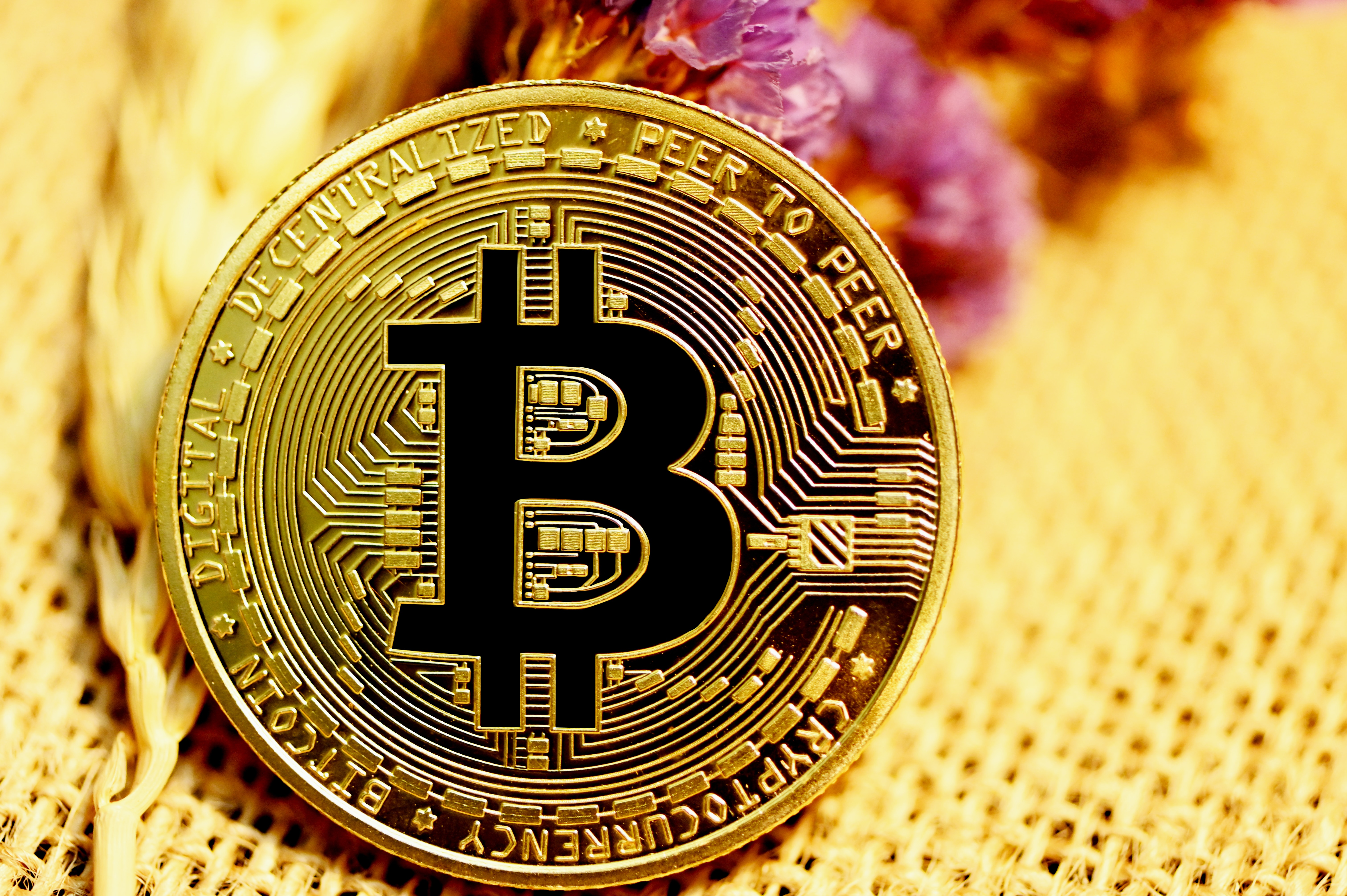
https://asset.coinness.com/en/news/885344b26338306a909580daea0ae347.jpg
Photo by Kanchanara on Unsplash

Due diligence concerns

On Tuesday Domo took to the X social media platform (previously Twitter) to articulate his concerns. He voiced apprehensions about hastily implementing updates in BRC-20, asserting that such a rush could potentially harm the broader BRC-20 user community. Domo's resistance is rooted in his belief that UniSat Wallet's proposed updates lack due diligence and are being introduced precipitously without considering potential repercussions. He wrote:

”Recognizing the serious implications and valuations involved, I believe rushing these updates in BRC20 is reckless, disregards their peer indexers, and could potentially harm the broader community of BRC20 users.”


‘Split’ rather than ‘fork’

Conversely, UniSat Wallet has declared its intention to “follow the Ordinals Jubilee upgrade, to confirm that BRC-20 is still on Ordinals without splitting into an isolated protocol."


Described as a "split" rather than a "fork," UniSat Wallet's approach adapts to the Ordinals Jubilee upgrade, a transformative change in how the Bitcoin blockchain manages tokenized assets. In mapping the way forward its proposing to take, UniSat outlined that it would publish a whitepaper on Jan. 31, describing it as “the most significant present we are able to deliver” for BRC-20, Ordinals and Bitcoin.


The crux of the matter lies in the method and pace of implementing these changes. Domo's concerns reflect a broader sentiment within the crypto community, where the rapid pace of advancements often collides with the need for stability and thorough vetting. UniSat Wallet's proposed changes, though innovative, may be viewed as potentially destabilizing by certain community members, especially those deeply entrenched in the current BRC-20 standard.


Striking a balance

This development is pivotal, highlighting the dynamic and occasionally contentious nature of blockchain technology and cryptocurrency standards. Web3 project incubator and investor TrustlessLabs summed up the matter in a social media post on Wednesday, drawing the following conclusions:

”This situation encapsulates a critical challenge in blockchain protocol development: finding the right balance between preserving stability and embracing technological advancements.”


As technology evolves, divergent opinions on the trajectory of these advancements are inevitable. The ongoing debate between Domo and UniSat Wallet serves as a microcosm of the larger conversations transpiring in the crypto space about how to strike the right balance between progress and stability.


The BRC-20 token standard, an experimental fungible token standard on Bitcoin, draws inspiration from Ethereum's ERC-20 standard. It allows the creation of fungible tokens using Bitcoin’s Ordinals protocol, constituting a significant breakthrough in cryptocurrency by enabling novel forms of tokenization on the Bitcoin blockchain.


This disagreement not only spotlights a critical debate in the crypto realm but also emphasizes the delicate equilibrium between innovation and stability.




More to Read
View All
Policy & Regulation·

Sep 19, 2023

Kazakhstan Launches NPC With CBDC Implementation by 2025

Kazakhstan Launches NPC With CBDC Implementation by 2025Kazakhstan’s National Bank (NBK) has unveiled the National Payment Corporation (NPC), a dedicated entity responsible for spearheading the development and launch of the country’s central bank digital currency (CBDC), known as the digital tenge.In a press release published last Friday, the NBK set out that the launch of the NPC is effectively a restructuring of the Kazakhstan Center for Interbank Settlements. The new entity has been entrusted with overseeing the national payment system.This mandate includes overseeing critical functions like interbank clearing services, facilitating money transfers, and managing digital identification. However, the NPC’s central mission revolves around establishing a robust “digital financial infrastructure” with a primary focus on realizing the digital tenge.Photo by Uladzislau Petrushkevich on Unsplash2025 targeted launch dateThe journey toward the digital tenge began in February of this year, with an ambitious launch date set for 2025. Deputy Governor of the NBK, Berik Sholpankupov, initially articulated a vision centered on a “collaboration between traditional finance and DeFi,” aimed at significantly improving financial inclusion and strengthening international trade.As of now, the CBDC pilot in Kazakhstan has advanced to a controlled environment pilot phase involving actual consumers and merchants. One of the key partners in this venture is Binance, the world’s largest cryptocurrency exchange. Binance is actively supporting the pilot through its technical solution, BNB Chain, marking a convergence between traditional financial institutions and the blockchain-based cryptocurrency sector.Kazakhstan’s pursuit of CBDCs aligns with a global trend as numerous countries worldwide explore the potential of CBDCs. An astounding 105 countries, representing a substantial 95% of the global gross domestic product (GDP), are currently exploring the concept, highlighting the collective recognition of the transformative potential of digital currencies in shaping the future of finance.Last week it emerged that the NBK had entered into a collaboration with the global financial messaging service SWIFT relative to the beta-testing of a CBDC.Attracting global exchangesIn a move that bolsters the development of crypto in the central Asian country, Binance launched a regulated digital asset platform in collaboration with the local Freedom Finance Bank. Around the same time, Bybit secured in-principle approval to trade within the country from the local regulator.Kazakhstan’s proactive stance toward cryptocurrency is also evident in its taxation policies. In 2022, the government collected approximately $7 million in tax payments from cryptocurrency mining entities following the implementation of revised regulations governing the fiscal responsibilities of cryptocurrency mining.Additionally, the government introduced legislation aimed at curbing excessive energy consumption by domestic crypto miners, instituting licensing requirements, and making minor adjustments to the taxation framework.Kazakhstan’s steps in establishing the National Payment Corporation and venturing into the realm of CBDCs reflect the country’s interest in embracing the digital era and staying at the forefront of financial innovation. As the industry looks on, Kazakhstan’s digital tenge project could serve as a model for others seeking to bridge the gap between traditional finance and the exciting possibilities of DeFi.

news
Policy & Regulation·

Jul 13, 2023

Korea Makes Strides in Establishing the Legal Framework for Security Tokens

Korea Makes Strides in Establishing the Legal Framework for Security TokensSouth Korea is making significant strides in establishing a legal framework that enables individuals to own and trade fractional shares or portions of real-world assets such as music copyrights, real estate properties, and artworks, through tokenization on blockchain platforms.Photo by Tingey Injury Law Firm on UnsplashAmendments to two actsAccording to a report by local news outlet Newsis, the ruling People Power Party (PPP) and the Financial Services Commission (FSC) are actively involved in proposing amendments to the Electronic Securities Act and the Capital Markets Act to legalize security tokens. These amendments will be presented to the National Assembly this month by PPP lawmaker Yun Chang-hyun, who is also a member of the National Policy Committee.Security tokens, which utilize the capabilities of blockchain technology, will play a pivotal role in this context. Once the legal framework is in place, the issuance and distribution of these tokens will be facilitated.In preparation for the proposal of these amendments, PPP lawmakers conducted a hearing today to discuss the matter at hand. The hearing included a presentation by Lee Soo-young, Head of the FSC’s Capital Markets Division, who shed light on the formulation of security token policies to bolster the capital market. Additionally, Choi Jeong-cheol, Head of the Strategy and Planning Division at Korea Securities Depository, outlined the key points of the proposed amendments to the Electronic Securities Act and the Capital Markets Act. Distinguished attendees at the hearing included Park Sun-young, an economics professor at Dogguk University; Hwang Hyun-il, a financial lawyer at law firm Shin and Kim; and Kim Kap-lae, a senior researcher at the Korea Capital Market Institute.Details in subsequent decreesIt is anticipated that these amendments will incorporate the framework introduced by the FSC in February, which focuses on enabling the issuance and distribution of security tokens, as well as establishing account management organizations and over-the-counter (OTC) brokerages. The forthcoming enforcement decrees, following the amendment of these Acts, will specify the precise details, including the authorization requirements for these entities and investment limits.

news
Web3 & Enterprise·

May 16, 2024

Metaplanet turns to Bitcoin amidst Japan's economic challenges

Metaplanet Inc., a Tokyo-listed crypto investment and consulting firm, has announced its adoption of Bitcoin as its strategic treasury reserve asset. This decision comes in response to the ongoing economic challenges facing Japan, including high government debt levels, prolonged negative real interest rates, and a weakened yen. Japan currently faces significant economic adversity, with the highest government debt-to-GDP ratio among developed countries at 254.6%, according to the International Monetary Fund. Despite the government's decision to raise interest rates in March, the Japanese yen experienced a sharp decline to its lowest level in 34 years last month, as reported by Reuters.Photo by Takashi Miyazaki on UnsplashBitcoin as a store of valueMetaplanet Inc. highlighted Bitcoin's attributes as a non-sovereign store of value that has demonstrated appreciation against fiat currencies. The firm noted that Bitcoin's monetary policy is predetermined and immutable, with a maximum supply of 21 million coins set to be reached by the year 2140. This characteristic distinguishes Bitcoin from traditional monetary metals and other cryptocurrencies subject to centralized control. Strategic approachIn its official release, Metaplanet Inc. stated its intention to leverage a variety of capital market instruments to enhance its bitcoin reserves. As of May 10, the company reportedly held 117.7 BTC, equivalent to $7.2 million, according to data from Bitcointreasuries.net. This move reflects Metaplanet's strategic response to Japan's economic conditions and its commitment to diversifying and growing its assets in the cryptocurrency space. 

news
Loading