Top

Com2uS Platform celebrates X-PLANET's first anniversary with NFT airdrop

Web3 & Enterprise·March 22, 2024, 1:55 AM

Com2uS Platform, a subsidiary of South Korean game publisher Com2uS Holdings, yesterday revealed its plan for a non-fungible token (NFT) airdrop. This event is part of a celebration marking the one-year anniversary of its rebranded NFT marketplace, known as X-PLANET.


Popular intellectual properties

The NFT marketplace underwent a rebranding in March of last year, aiming to improve its integration with Com2uS' XPLA blockchain mainnet. Named X-PLANET, the platform is envisioned as a new planet where users can "explore" and "play." By November 2023, it had become the top revenue-generating local NFT marketplace, thanks in part to popular intellectual properties like the B.O.P Universe and Choushinsei Flashman. The B.O.P Universe draws inspiration from Bung O Pang Tycoon, a mobile game centered around baking pastries, while Choushinsei Flashman is a 1980s Japanese TV series known for its live-action superheroes.


NFT airdrop event

To mark the first anniversary of its rebranding, X-PLANET is hosting an NFT airdrop event on its official website. The event kicked off on March 21 and will have another round on April 4, at 6 p.m. KST, when 365 "Lucky Star" NFTs will be made available on a first-come, first-served basis. Owners of NFTs bearing lucky numbers will have the chance to earn double points during a B.O.P Universe event, which continues until April 14. 


Additional benefits are in store for those purchasing NFTs for the first time and those visiting X-PLANET’s Discord channel. Moreover, participants who spread the word about the anniversary event and the B.O.P Universe contest on social media will be entered into a draw for a chance to win a coffee coupon.
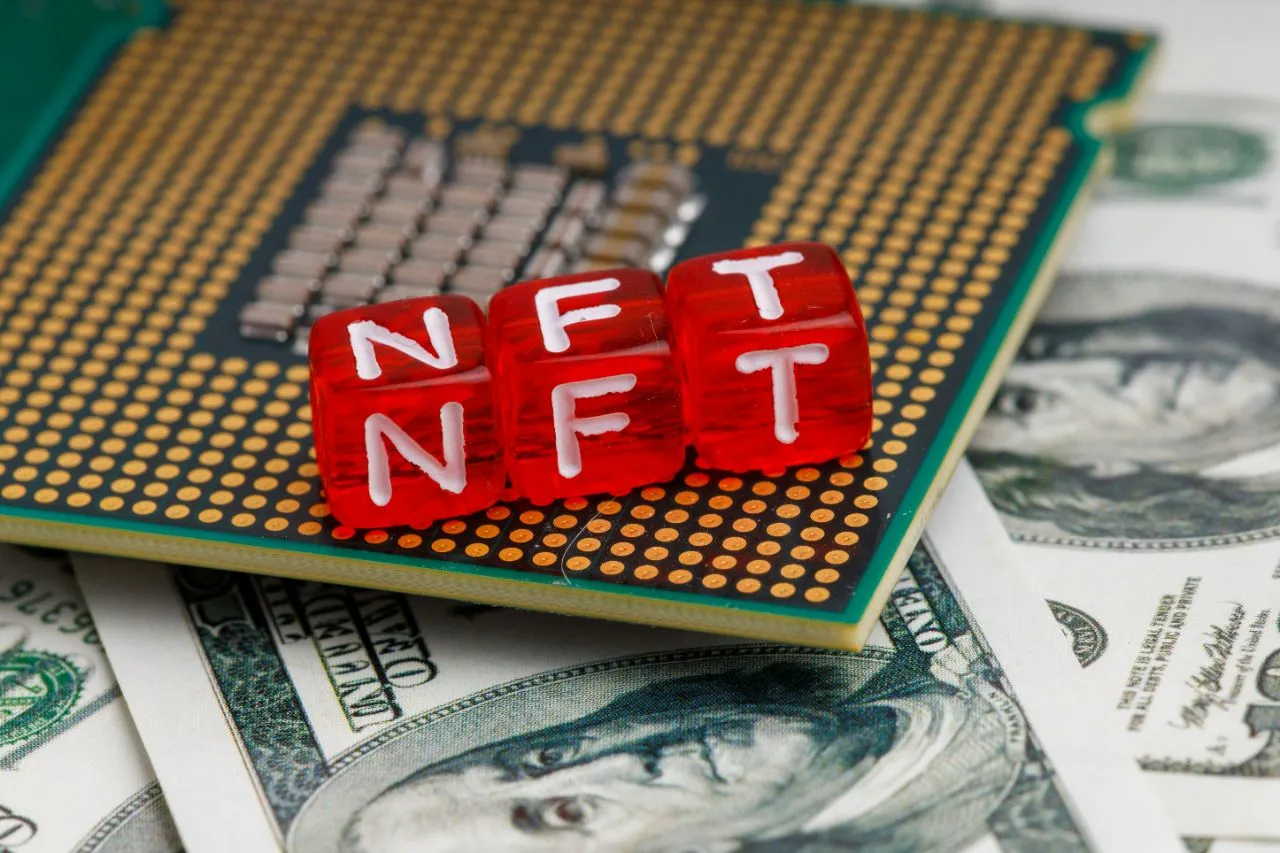
https://asset.coinness.com/en/news/85cb13377e714b91512cd7c92d2b1a41.webp
Photo by Andrey Metelev on Unsplash

NFT marketplace and blockchain ecosystem

Lee Luda, the Head of the Web3 Platform Business Division at Com2uS Platform, highlighted that the recent event was designed to show gratitude to X-PLANET users who have shown their support since the platform's rebranding. Lee further stated that as the NFT marketplace representing the XPLA ecosystem, X-PLANET is committed to evolving into a user-friendly platform. Their goal is to create an environment that not only adds value but also provides entertainment, making it a welcoming space where anyone can participate and enjoy.


Recognized for its straightforward user interface and efficient trading system, X-PLANET has been introducing a collection of valuable NFT works across various domains, including art, games and K-pop. The NFT marketplace is actively pursuing collaborations with talented artists and prominent organizations to bring meaningful NFT content to its users.




More to Read
View All
Policy & Regulation·

Jan 23, 2026

Korean lawmakers eye crypto to lift secondary KOSDAQ market as KOSPI hits 5,000

South Korea’s benchmark stock index, the KOSPI, crossed the 5,000 mark for the first time on Jan. 22, sparking excitement across the market. With investor sentiment improving, the ruling Democratic Party of Korea (DPK) has floated the idea of using digital assets to help boost the KOSDAQ—Korea’s secondary stock market—toward the 3,000 level.Photo by Burak The Weekender on PexelsThe proposal was raised during a luncheon at the Blue House attended by DPK members and President Lee Jae-myung. During the meeting, DPK lawmaker Min Byeong-dug highlighted the role cryptocurrencies could play in expanding the KOSDAQ, according to the Maeil Business Newspaper. While the KOSPI is home to large, established firms with strict listing requirements, the KOSDAQ operates under looser standards and primarily lists small and medium-sized companies, including startups. Leveraging STOs and stablecoinsMin’s argument is that the KOSDAQ could grow further if these companies begin using digital asset tools such as security token offerings (STOs), won-pegged stablecoins, and other crypto-based products. The lawmaker also pushed back against the idea that traditional banks should be the principal force behind won-backed stablecoin initiatives—putting him at odds with the direction favored by the Bank of Korea. The Korean government and the DPK aim to finalize legislation covering won-pegged stablecoins by March, as debate continues over which entities should be allowed to issue them. Citing financial stability concerns, regulators have signaled that early issuance should be restricted to bank-led consortia in which lenders maintain a controlling stake. However, the push to frame digital assets as a new engine for market growth comes at a time when South Korea’s crypto trading activity has cooled sharply. Data from CoinGecko, cited by the Maeil Business Newspaper's Telegram channel, showed that combined daily trading volume across the country’s five largest exchanges—Upbit, Bithumb, Coinone, Korbit, and Gopax—totaled 3.46 trillion won ($2.36 billion) on Jan. 18, down more than 80% from a year earlier. Average daily trading volume in January 2025 hovered near 10 trillion won ($6.8 billion), driven in part by optimism that Donald Trump’s return to the U.S. presidency would boost the market. Exactly a year later, that momentum has faded, with daily volume falling below five trillion won ($3.4 billion) and only briefly rising above that level on Jan. 6 and Jan. 14. The slowdown is also visible in pricing. Bitcoin, the world’s largest cryptocurrency, is currently trading at around $89,000, roughly 30% below its all-time high recorded on Oct. 7, 2025, and has fallen 6.58% over the past week. Investors demand utility as hype fadesRegardless of price fluctuations, the legislative push suggests an ongoing interest in treating digital assets as a functional layer of the financial system. For Min’s proposal to translate into real support for the stock market, however, the crypto products linked to KOSDAQ growth would need to prove clear practical value. That emphasis is echoed in investor sentiment. A recent weekly survey by CoinNess and Cratos of 2,000 Koreans found that the most common belief about what altcoin projects need to survive is real-world usefulness and the ability to generate revenue: 37.5% of respondents chose that option. Another 21.8% pointed to listings on major exchanges, while 20.2% cited the importance of a compelling narrative aligned with market trends. Meanwhile, 10.9% said a large community mattered most, and 9.6% said altcoins are unlikely to succeed under any circumstances. 

news
Web3 & Enterprise·

Dec 23, 2024

IOTA co-founder meets with Philippine Secretary of Trade to further adoption

Dominik Schiener, the co-founder of distributed ledger technology (DLT) project IOTA, outlined on X on Dec. 12 that he had met with Cristina Aldeguer-Roque, Secretary of Trade of the Philippines. Commenting further, Schiener wrote: “We are looking forward to expand IOTA and our trade infrastructure TWIN across South East Asia in 2025.” Photo by iSawRed on UnsplashCutting through trade barriersTWIN refers to IOTA’s Trade Worldwide Information Network, a continuation of another longstanding IOTA project, the Trade and Logistics Information Pipeline (TLIP). The objective of TWIN is to cut through trade barriers and improve connections between disparate national trading systems. In rolling out the network, IOTA has formed a consortium which includes organizations such as TradeMark Africa, the Global Alliance for Trade Facilitation and the Chartered Institute of Export & International Trade. TWIN seeks to optimize trade processes by merging physical goods with digital infrastructure, eliminating inefficiencies and boosting transparency. Schiener anticipates that once participants place data on the network, they will ultimately tokenize assets on it. In turn, this will result in utility for the IOTA token, once TWIN is released on the IOTA mainnet. The TWIN project is currently staffed by 28 people but Schiener believes that this will grow to 100 people over the course of the next two years. The project originally emerged in Germany, with the IOTA Foundation having its headquarters in Berlin. Initially, IOTA concerned itself with European blockchain initiatives in trying to find its place in the industry. Earlier this year, its Web3 identity authentication solution was chosen by the European Commission for inclusion within the European Blockchain Sandbox Initiative (EBSI). In August, the IOTA Foundation completed the final stage of the European Union’s blockchain pre-commercial procurement (PCP) program. Strategic expansionHowever, over the course of the past year, the project has expanded towards searching for product market fit within emerging markets. In November 2023, the project established the IOTA Ecosystem DLT Foundation within the Abu Dhabi Global Market (ADGM) financial center in the United Arab Emirates (UAE). This marked the first DLT foundation to have established itself within the ADGM.  $100 million in funding was provided with the objective of nurturing the IOTA ecosystem and accelerating the growth of the IOTA protocol. Since then, the TON Foundation and the Aptos Foundation have moved to register under the ADGM’s DLT Foundations framework. East Africa has been ground zero for IOTA’s attempts to enhance cross-border processes related to trade documentation, where it has been working with TradeMark Africa and local regulators. In Singapore, the IOTA Foundation has collaborated with global innovation ecosystem Tenity to establish the IOTA Accelerator, a 12-week initiative aimed at assisting early-stage startups concerned with real-world asset (RWA) tokenization within the IOTA ecosystem. Schiener’s meeting in the Philippines would suggest that the project is making greater efforts still in terms of bringing about the adoption of the technology in Southeast Asia. In his X post, Schiener wrote: “Let's connect the world with sovereign digital infrastructure.”

news
Web3 & Enterprise·

Nov 15, 2023

Bitget withdraws from Hong Kong crypto market

Bitget withdraws from Hong Kong crypto marketSeychelles-incorporated cryptocurrency derivatives platform Bitget has made a decision to permanently exit the Hong Kong market, discontinuing its efforts to obtain a virtual asset trading platform (VATP) license.Photo by SHUJA OFFICIAL on UnsplashBitgetX platform shutdownThe decision comes only months after it had introduced its BitgetX platform to comply with local regulations. The company, which bases its operations out of Singapore, is a well-known entity in the crypto space, renowned as the operator of the 12th-largest cryptocurrency exchange globally in terms of 24-hour trading volume. It made this revelation on Monday, citing what it referred to as “business and market-related considerations.”In a published statement, the company said:”With a heavy heart, we regret to inform you that due to business and market related considerations, we have decided not to pursue a Virtual Asset Trading Platform (VATP) license in Hong Kong. As a result of this decision, the BitgetX website (www.BitgetX.hk) will cease its operations effective December 13, 2023. At the same time, Bitgetx.hk will permanently exit the Hong Kong market.”While outlining that BitgetX will close its doors, the firm urged users to withdraw their assets beforehand. Bitget is among a handful of exchanges that had publicly expressed their intent to secure a license following Hong Kong’s proactive push over the course of the past year to embrace the virtual asset sector.Broader challengesThe decision to abandon the pursuit of a VATP license echoes the broader challenges faced by the cryptocurrency industry in Hong Kong. Despite the city’s recent enthusiastic regulatory embrace of the virtual asset sector, a number of stumbling blocks remain.High compliance costs and the lingering aftermath of the JPEX financial scandal have hindered Hong Kong’s aspirations to establish itself as a leading crypto hub. A report back in June identified the major cost implications of acquiring a license in Hong Kong. At the time, it was estimated that the required spend to obtain a VATP license could range from $2.55 million to $25.5 million.Banking crypto companies has also become a major bottleneck. In June, the Hong Kong Monetary Authority (HKMA) urged banks such as HSBC, Standard Chartered and the Bank of China to bank the crypto sector, having identified a reluctance amongst them to do so.Limited interestThe forthcoming closure of BitgetX adds to a growing trend of limited interest in Hong Kong’s new licensing scheme. Only five companies, all local, have submitted applications for virtual asset licenses to the Securities and Futures Commission (SFC). This list began publication in response to the JPEX scandal, which significantly damaged public trust in virtual assets.The challenges faced by the industry go beyond regulatory hurdles. The damaged public trust, coupled with the high-profile exit of JPEX, has contributed to the hesitancy of international crypto platforms in pursuing licenses in Hong Kong. The abrupt withdrawal of Bitget raises questions about the viability of Hong Kong as a central player in the cryptocurrency industry and underscores the complexities faced by exchanges navigating the evolving landscape of the digital asset sector.

news
Loading