Top

Ant Group preparing to apply for stablecoin licenses in Hong Kong & Singapore

Web3 & Enterprise·June 13, 2025, 5:59 AM

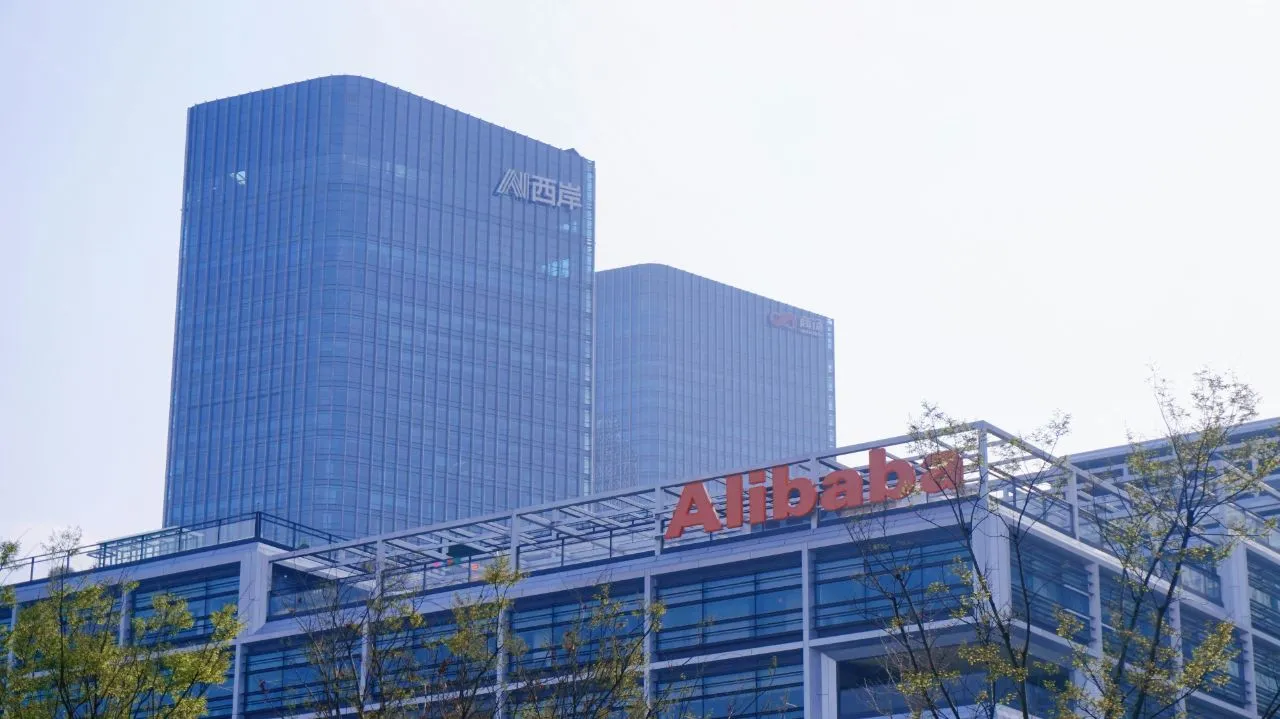
Ant Group, a Chinese financial services conglomerate and affiliate of the Alibaba Group, has plans to acquire stablecoin licenses across Asian markets and further afield.


Its Singapore-headquartered global digital payments and financial technology subsidiary, Ant International, plans to file an application for a stablecoin license in Singapore and in Hong Kong once the Chinese autonomous territory implements its stablecoin regulation later this summer. 


That’s according to a report published by Bloomberg on June 12, citing unnamed sources familiar with the matter. Beyond the Asia-Pacific (APAC) region, Ant International also plans to seek a stablecoin license in Luxembourg.
https://asset.coinness.com/en/news/8a94c7778ce55cc098baaa0d3442d6ea.webp
Photo by Ban Daisy on Unsplash

2 Hong Kong stablecoin license applications

In a statement, Ant International stated:


“We plan to apply for the fiat-referenced stablecoins (FRS) issuer's license once the process is open after the [Hong Kong] Stablecoins Ordinance takes effect on August 1.”

Additionally, Bian Zhuoqun, president of Ant Digital Technologies, another Ant Group subsidiary focused on applying digital technologies, confirmed that it too will be applying for stablecoin licensing in Hong Kong. 


Zhuoqun told reporters that the company has already opened dialogue with the regulator in Hong Kong, while also participating in a regulatory sandbox. While the company wasn’t a named participant within Hong Kong’s stablecoin sandbox, it had previously participated in Project Ensemble, an initiative run by the Hong Kong Monetary Authority (HKMA) aimed at establishing a tokenization ecosystem in the city.


Exploring stablecoin applications

On June 10, Ant International and German multinational investment bank Deutsche Bank announced a strategic partnership geared towards establishing integrated cross-border payment solutions to global merchants. 


The two firms stated that they would explore tokenized bank deposits while also looking into stablecoin applications for global payments. It highlighted the potential use of stablecoins within Ant companies, facilitating real-time cross-border treasury management, reserve management and on-ramp and off-ramp services.


Back in November, Singapore-headquartered StraitsX, a stablecoin-based payments startup, launched a cross-border payments product in association with AliPay+, Ali International’s offshore digital payments platform. A key component of the product offering is the use of the XSGD stablecoin.


Hong Kong passed its stablecoin bill last month. Last week, the city’s government outlined that the effective date for the resultant Stablecoin Ordinance has been set for Aug. 1. Under the Ordinance, only licensed institutions are authorized to offer fiat-referenced stablecoins in Hong Kong, while the issuer of such a stablecoin must be licensed in order for it to be offered to a retail investor.


Last month, multinational banking and financial services group HSBC launched Hong Kong’s first blockchain-based settlement service, utilizing tokenized deposits for swift transactions. The company collaborated with Ant International, which became the first client of the service.


Entering the financial mainstream

A Financial Times report published on June 12 asserted that stablecoins are entering the financial mainstream, a development that “could have profound implications for the global financial system.” Earlier this week, the South China Morning Post (SCMP) reported that Hong Kong’s stablecoin law could lead to a boom in digital assets.

Daniel Tse, managing director of Hong Kong brokerage firm Futu Securities, told the SCMP:

“We’re seeing a significant trend in investments related to stablecoins on our platform, which highlights the growing importance of this sector.” 

More to Read
View All
Web3 & Enterprise·

Jul 08, 2023

Sega Curbs Interest in ‘Boring’ Blockchain Gaming

Sega Curbs Interest in ‘Boring’ Blockchain GamingJapanese video game behemoth Sega Corp., once an advocate for blockchain gaming, is reevaluating its involvement in the sector as the global crypto industry continues to face challenges.In a recent interview with Bloomberg, Shuji Utsumi, the Co-Chief Operating Officer of Sega, revealed that the company will withhold its major franchises from third-party blockchain gaming projects to protect the value of its content.Photo by Pat Krupa on UnsplashHalting blockchain game developmentAdditionally, Sega is temporarily halting the development of its own blockchain games. These decisions mark a significant shift for the 60-year-old gaming studio, which previously joined other industry players in exploring the potential of blockchain technology to enhance game appeal. However, the recent collapse of the digital currency market has dampened enthusiasm for such initiatives.While Sega withdraws from blockchain gaming, it does plan to allow external partners to utilize its lesser-known characters, such as those from Three Kingdoms and Virtua Fighter, for non-fungible tokens (NFTs). NFTs serve as digital asset ownership certificates.Sega’s intention to venture into the NFT community drew criticism from some gamers who viewed crypto technology as environmentally harmful. Utsumi emphasized the importance of creating enjoyable gaming experiences and expressed his skepticism about the “play-to-earn” model associated with blockchain games, describing such games as “boring.”Reservations on Web3 adoptionIn addition to the uncertainties surrounding blockchain gaming, Utsumi expressed reservations about the adoption of Web3 technology in Sega’s upcoming “super game” initiative. This initiative involves the release of high-budget online multiplayer games starting in 2026. Sega is currently assessing whether the technology will gain traction in the gaming industry before committing to its implementation.Sega’s strategic shift reflects a broader cooling trend relative to the Web3 concept, which implicates an internet built on blockchain technology. Despite attracting significant investments in the past, Web3 has faced criticism and diminishing interest from major players like Ubisoft.However, Sega will continue to offer its lesser franchises to several blockchain games that will be announced later this year. The company also plans to invest hundreds of millions of yen in related projects, as the technology still holds value in enabling the transfer of characters and items between different games. Sega remains open to further involvement in blockchain gaming as the technology matures.Big brand cautiousnessUtsumi acknowledged that the views expressed by blockchain advocates may seem extreme to many in the video game industry. Nevertheless, he recognized the importance of risk-takers who pioneer new technologies, referring to them as the “first penguins” who should not be underestimated.Sega’s cautious approach reflects the need to strike a balance between innovation and maintaining the core aspects of enjoyable gaming experiences, while closely monitoring the evolution of blockchain and Web3 technologies in the industry.It’s also likely that the gaming sector’s most coveted brands will remain cautious on blockchain gaming while newcomers like Animoca Brands can better afford to be the risk takers that drive blockchain gaming forward. Earlier this week, Animoca’s Co-Founder Yat Siu said that he was bullish where blockchain gaming is concerned.

news
Policy & Regulation·

May 27, 2023

Study Places Hong Kong as Leader in Crypto Readiness

Study Places Hong Kong as Leader in Crypto ReadinessHong Kong, according to a recent study conducted by Forex Suggest, has emerged as the leading jurisdiction worldwide in terms of its readiness for cryptocurrencies. The study evaluated various factors such as the number of blockchain startups per 100,000 people and the density of crypto ATMs in relation to the population.Photo by Traxer on UnsplashZero capital gains taxThe attractiveness of Hong Kong for investors in the crypto space stems from its advantageous tax policies. The study noted that Hong Kong does not levy capital gains taxes on cryptocurrency, making it an appealing destination for crypto enthusiasts. The United States and Switzerland secured the second and third positions, respectively, in the rankings of the most crypto-ready countries.In recent times, Hong Kong has actively embraced investments from digital asset companies and is poised to implement new regulations for the industry. Effective from June 1, the city’s new rules aim to establish Hong Kong as a global hub for digital assets. These regulations permit licensed cryptocurrency trading platforms to offer services to retail investors while incorporating measures to safeguard individual traders.Global crypto firms are gearing up for that new licensing approach, carving out separate corporate entities in order to meet the regulatory requirements which the Hong Kong regulator, the Securities Futures Commission (SFC), has set. Another Hong Kong regulator, the Hong Kong Monetary Authority (HKMA), is also opening up to embrace digital asset innovation through a pilot project implicating the tokenization of real world assets.Regarding the number of blockchain startups, Hong Kong boasts three startups per 100,000 individuals, securing the second position globally. Topping the list is Switzerland, with an impressive count of 12.9 blockchain startups per 100,000 residents, amounting to a total of 1,128.The study also highlighted that countries such as Hong Kong, Switzerland, Panama, Portugal, Germany, Malaysia, and Turkey impose the lowest taxes on cryptocurrencies. These nations exempt individuals from capital gains taxes on profits derived from cryptocurrency trading.Crypto ATM proliferationWhen considering the prevalence of crypto ATMs, Hong Kong ranks third globally, with two ATMs per 100,000 people, totaling 149 ATMs. The United States takes the top spot with nearly 34,000 crypto ATMs, but when normalized to the population, it has 10.1 ATMs per 100,000 individuals.Regressive measures in USIn contrast to Hong Kong’s favorable environment, regulators in the United States have intensified their efforts to tighten regulations on cryptocurrency exchanges, leading many within the industry to advocate for clearer guidelines. Consequently, several exchanges are exploring jurisdictions that offer more favorable conditions.Forex Suggest emphasized that the report’s findings were based on extensive data analysis, taking into account factors such as tax regulations, legislation, the presence of blockchain startups, and the level of interest in cryptocurrencies. Each jurisdiction received a normalized score out of 10 for each factor, and the overall rankings were determined by averaging these scores.Hong Kong’s position as the most crypto-ready jurisdiction in the world showcases its commitment to fostering innovation and becoming a global leader in the digital asset space. With its advantageous tax policies, growing number of blockchain startups, and forthcoming regulations, the autonomous Chinese territory is solidifying its position as an attractive destination for businesses and investors in the cryptocurrency space.

news
Web3 & Enterprise·

Nov 24, 2023

Wemade CEO to attend Abu Dhabi Finance Week and Fortune Global Forum next week

Wemade CEO to attend Abu Dhabi Finance Week and Fortune Global Forum next weekHenry Chang, CEO of South Korean blockchain gaming publisher Wemade, will be traveling to the United Arab Emirates to speak at the second annual Abu Dhabi Finance Week — one of the biggest financial and economic events in the Middle East and North Africa (MENA) region — scheduled for Nov. 27 to 30.Photo by Kevin JD on UnsplashExploring the future of financeTouting the theme “Investing in the Transition Era”, this year’s ADFW is organized by Sheikh Khalid Abu Dhabi, Crown Prince of Abu Dhabi and Head of the Abu Dhabi Executive Council. Several organizations such as the Abu Dhabi Global Market (ADGM) and the Abu Dhabi Department of Economic Development are also participating as official partners. More than 10,000 visitors from over 100 countries across the world are expected to attend.Chang will participate as a panelist on Nov. 29 in the “Convergence: Media, Culture and Fintech” panel at Fintech Abu Dhabi, the flagship event of ADFW. The panel will cover topics like the impact of blockchain and decentralized finance (DeFi) technologies on fintech — more specifically, digital payment trends and the future of digital assets and currencies.Wemade’s expansion in the UAEHe will also partake in the Fortune Global Forum 2023, a global conference for CEOs of major global conglomerates also set to be held in Abu Dhabi from Nov. 27 to 29. The forum has been hosted by American business magazine Fortune since 1995 as a platform for member companies of the Fortune Global 500 list to gather and share insights on global issues like innovation and stability and their impact on economic progress. They will also be joined by government officials from various sectors in the UAE, including artificial intelligence, cybersecurity, oil and gas, industrial automation, healthcare and telecommunications.Wemade has been making strides to expand WEMIX3.0, its borderless Web3 mega-ecosystem, in the MENA region. The company opened an office in Abu Dhabi earlier this year.

news
Loading