Top

Vietnam legalizes crypto assets

Policy & Regulation·June 17, 2025, 3:23 AM

Vietnam has moved to take a positive approach to crypto assets by passing legislation to legalize them.


Last week, the Southeast Asian nation’s National Assembly passed the Digital Technology Industry Law, which takes effect on Jan. 1, 2026, according to a report published in the official online newspaper of the Vietnamese government. 
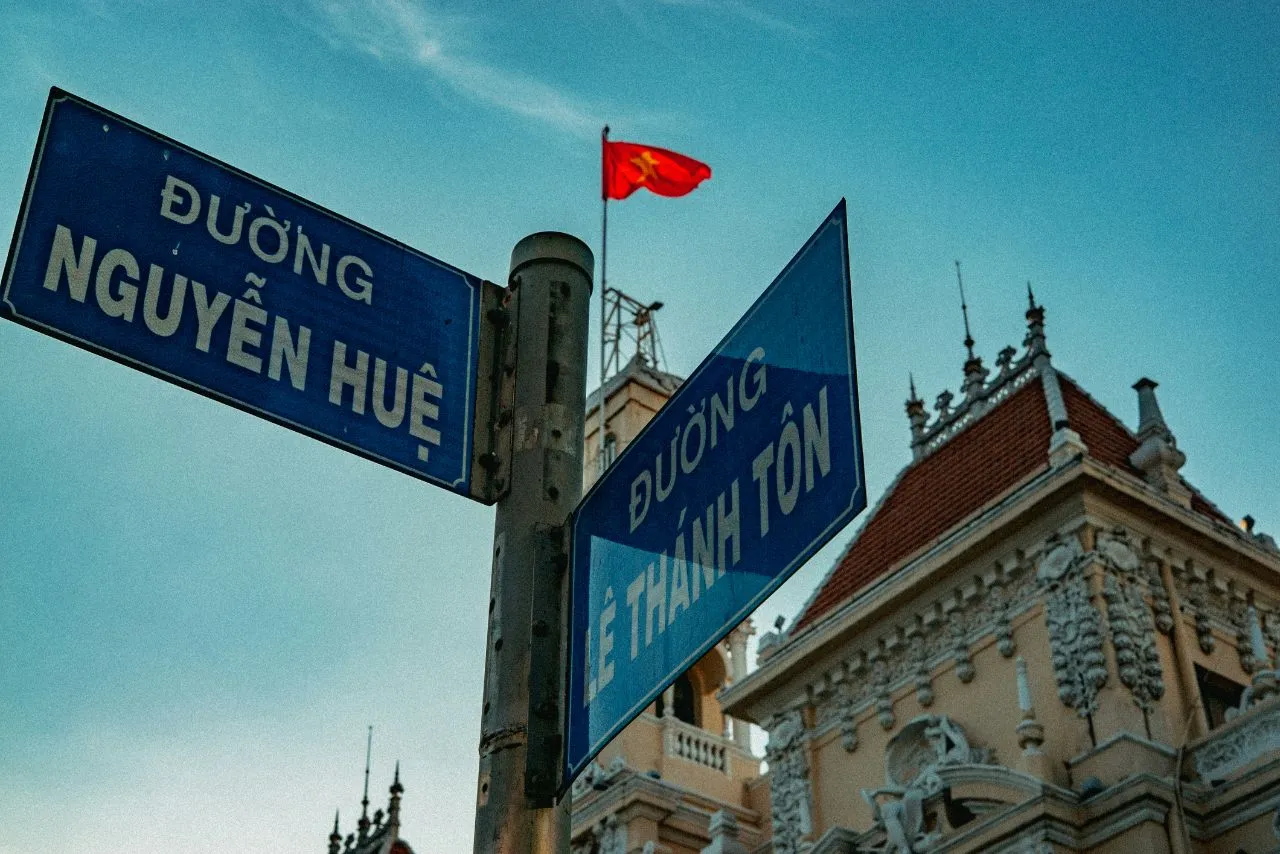
https://asset.coinness.com/en/news/f8a720939260258ecd14da1b761cc06e.webp
Photo by Daniel Bernard on Unsplash

Categorizing digital assets

The law sets out two categories of digital assets, virtual assets and crypto assets. The legislation frames virtual assets as digital assets used for exchange or investments. Meanwhile, crypto assets are to be regarded as digital assets utilized to validate transactions and confirm ownership while relying on the use of encryption technology. 

Neither category includes securities or digital versions of fiat currencies such as central bank digital currencies (CBDCs) or other financial instruments.


The legislation gives the Vietnamese government the authority to define and apply specific regulatory conditions when it comes to items such as anti-money laundering (AML) measures and the inclusion of international cybersecurity standards.


It is hoped that the law will pave the way for the development of home-grown technological enterprises within Vietnam, while also promoting a nationwide digital transformation process.


Regulatory clarity

The legislation is significant as it clearly sets out the legal status of digital assets in Vietnam after years of uncertainty and regulatory ambiguity. Singapore-based blockchain-focused Business Strategist, Anndy Lian, said that such legal clarity could result in Vietnam becoming a regional hub for the crypto sector. 


Anh Tran, who belongs to Superteam Vietnam, a community for Solana builders in Vietnam, said that the development was huge for founders, developers and investors in the crypto space in Vietnam. He stated:


“For a country who has always been at the forefront of crypto adoption, [Vietnam] is now a 'green-lighted zone' in principle, but we're still waiting at the red light for operational rules.”


He refers to the fact that Vietnamese regulators still have until Jan. 1, 2026, to flesh out the details in terms of defining who can issue, trade, custody or manage crypto, and how AML, cybersecurity and taxation are handled.


Vietnamese officials are likely to give strong consideration to AML measures relative to crypto given that the Southeast Asian nation has been on the grey list of the Financial Action Task Force since 2023. Countries who appear on the grey list are under considerably more scrutiny with regard to AML matters.


While another community member claimed that anywhere crypto regulation has been implemented, actual usage has declined, Tran maintained that regulation is inevitable and that “crypto doesn’t need to be lawless to be free.”


Last October, Vietnam set out its blockchain strategy, aspiring to the goal of achieving regional leadership in the sector by 2030. In March, the country’s Prime Minister, Pham Minh Chinh, requested that a legal framework for cryptocurrencies be established. 


According to Chainalysis’ 2024 Global Crypto Adoption Index, Vietnam ranks fifth in the world.

More to Read
View All
Web3 & Enterprise·

Aug 26, 2023

HashKey Gears Up to Offer Trading Service to Retail Traders

HashKey Gears Up to Offer Trading Service to Retail TradersHashKey is gearing up to launch its services to retail traders in Hong Kong with the intention of offering them Bitcoin and Ether trading products initially.The Hong Kong-based digital asset management platform received full licensing approval from the local regulator, the Securities Futures Commission (SFC), earlier this month. It’s anticipated that the platform will launch to retail on August 28.That’s according to a report from a local media source earlier this week. Financial publication Investing.com stated: “General investors in the period can only trade Bitcoin (BTC) and Ethereum (ETH), because these two currencies currently account for most of the trading volume in the market.“It’s worth noting, however, that investors will be subject to a cap, permitted to allocate only up to 30% of their net worth into the realm of cryptocurrencies while utilizing the platform.Photo by Traxer on UnsplashServing retail clientsIt’s a significant milestone for both HashKey and the regulator, given that Hong Kong has been making huge efforts to further the development of digital asset innovation within the Chinese autonomous territory over the course of the past twelve months. Hashkey, alongside brokerage and exchange business OSL (also successful in obtaining a license), has been collaborating with regulators from an early stage in the lead-up to both receiving full licensing.HashKey got to this point by focusing on two pivotal licenses offered by the SFC. The first of these licenses, known as Type 1, paved the way for HashKey to initiate a virtual asset trading platform, aligning seamlessly with the regulatory framework laid out under Hong Kong’s securities laws. The second license, Type 7, empowers the crypto platform to furnish automated trading services to both institutional and retail clientele.Nurturing digital asset innovationHong Kong has maintained a resolute focus on cultivating a crypto-friendly environment within its borders in 2023. Echoing this sentiment, Financial Secretary Paul Chan asserted the government’s and regulatory bodies’ determination to incubate a robust crypto and fintech ecosystem throughout the year.By March, over 80 crypto enterprises signaled their intent to establish a presence in Hong Kong, with several major players in the crypto industry among them. In April, the Hong Kong Monetary Authority (HKMA) issued a call to banks, urging them to extend their services to cryptocurrency companies.Banking remains a difficulty in Hong Kong for crypto businesses despite the HKMA’s efforts. However, in the case of both HashKey and OSL, both are being banked by Hong Kong’s largest virtual bank, ZA Bank.In May, the HKMA unveiled a comprehensive licensing framework tailored for crypto platforms, imposing a deadline of June 1 for compliance. As August rolled in, a select few crypto platforms clinched the green light to offer crypto trading services to an eclectic client base encompassing both retail and institutional participants.This regulatory framework, designed to safeguard the interests of investors, is playing a large part in Hong Kong’s recent success in developing the sector. In this particular instance, it will mean that retail traders will be granted access to Bitcoin and Ethereum exclusively. This curtailed selection provides a good starting point for retail trading, and it’s likely that we will see HashKey’s trading offering being extended to cover additional digital assets as soon as local regulators permit it.

news
Web3 & Enterprise·

May 08, 2023

Japan’s Hokkoku Bank to Launch Local Digital Currency in Summer

Japan’s Hokkoku Bank to Launch Local Digital Currency in SummerEarlier this month, Hokkoku Bank, a Kanazawa-based bank in Japan, announced its collaboration with Suzu City, local community-based credit union Kono Shinkin Bank, and blockchain service provider Digital Platformer to launch a local digital currency in Suzu, Ishikawa Prefecture this summer, according to CNET Japan.Promoting cashless transactionsThe digital payment system aims to promote cashless transactions in the local area and digitize Suzu’s customer rewards program, enhancing capital flow and productivity. The local digital currency service for citizens, Suzu Tochituka, and the retail customer rewards program, Suzu Tochipo, are set to launch in the summer of 2023.By winter 2023, Hokkoku Bank plans to issue the stablecoin Suzu Tochika for use within Suzu. Retail stores will be charged a 0.5% fee for transactions made with Suzu Tochika.Photo by Ivan Samkov on PexelsFrom city to prefectureFollowing its services in Suzu, Hokkoku Bank intends to form an alliance with towns in Ishikawa and leverage blockchain interoperability to introduce Ishikawa Tochika, a digital currency for use across the entire prefecture. This project’s goal is to establish a payment system that encompasses all financial institutions. In Suzu and Okunoto, both Kono Shinkin Bank and Hokkoku Bank will cooperate to distribute and promote the payment system.Other regionsTowns and local financial institutions in other regions are also committed to collaborating on local digital currency promotion to enhance residents’ convenience, streamline administrative work, and boost productivity. To ensure security, Digital Platformer’s new blockchain-powered payment system Shiki will record and manage transaction data, offering high traceability and protection against forgery and counterfeit.

news
Policy & Regulation·

Nov 10, 2023

Suspects emerge in Taiwan in ongoing JPEX scandal fallout

Suspects emerge in Taiwan in ongoing JPEX scandal falloutIn the ongoing saga surrounding the collapse of Dubai-headquartered cryptocurrency exchange JPEX, Taiwanese prosecutors have identified new suspects, marking a significant development in the case.The Taipei District Prosecutors Office (TDPO) has requested the custody of Chang Tung-ying, chief partner at JPEX’s Taiwan office, over allegations of fraud. That’s according to a report by local TV channel TVBS News on Thursday.Photo by Ricky Zeng on UnsplashMoney laundering and Banking Act violationsThis latest development brings a new twist to the scandal, which has largely been playing out in the Chinese territory of Hong Kong. The TDPO reportedly conducted searches at nine locations linked to the JPEX investigation. Chang, along with three other individuals, including JPEX lecturer Shih Yu-sheng (also known as Shi Yu), was summoned by the authorities. Chang and Shih are being investigated for violations of the Banking Act and the Money Laundering Control Act.During the investigation, JPEX salespersons Liu Chien-fu and Niu Keng-sheng were released, with Liu being granted bail of 50,000 New Taiwan dollars ($1,550). Niu, the registered person in charge of JPEX Taiwan, was released after questioning.Celebrity promoter focusThe report also revealed that Nine Chen, a Taiwanese celebrity and singer who previously served as a brand ambassador for JPEX, was summoned by prosecutors. He has cooperated with law enforcement in the role of a witness to the alleged fraud who has testified to illicit activity carried out by the platform. However, it is now understood that recent events have developed such that Chen is now being treated as a defendant.This action resonates with actions taken by the authorities in Hong Kong some weeks ago in the earlier stages of investigation into this affair. In September, one of the first actions taken by Hong Kong law enforcement was the arrest and detention of social media influencer and former lawyer Joseph Lam, known to followers as “Jolamchok” on the Instagram platform.Alleged liquidity crisisJPEX, once a successful crypto exchange, abruptly halted some services in mid-September, citing a liquidity crisis triggered by alleged “unfair treatment” from institutions in Hong Kong. The sudden implosion led to accusations of misleading investors regarding the application for a crypto trading license and other issues.The scandal surrounding JPEX has escalated into a major industry concern, prompting investigations by Hong Kong authorities. Over 2,000 complaints from JPEX users, reporting losses of nearly $180 million, have triggered significant regulatory attention.As investigations progressed in Hong Kong, the authorities took the decision to block access to the platform, with the platform responding by advising customers to circumvent this restriction through the use of a virtual private network (VPN).As of September 25, law enforcement has arrested at least 11 alleged suspects in the JPEX case, while the alleged masterminds remain at large. At that time, Hong Kong’s Securities and Futures Commission (SFC) pledged to renew its efforts to combat unregulated crypto platforms in Hong Kong.A survey conducted by the Hong Kong University of Science and Technology (HKUST) business school has indicated that the affair has had a negative impact on public sentiment towards crypto more recently.

news
Loading