Top

Crypto policy and profitability in focus as market faces global crosswinds

Markets·November 12, 2025, 5:58 AM

Amid the ongoing cryptocurrency market slowdown, a South Korean analyst said a rebound will hinge on effective policy measures and sustainable business models.
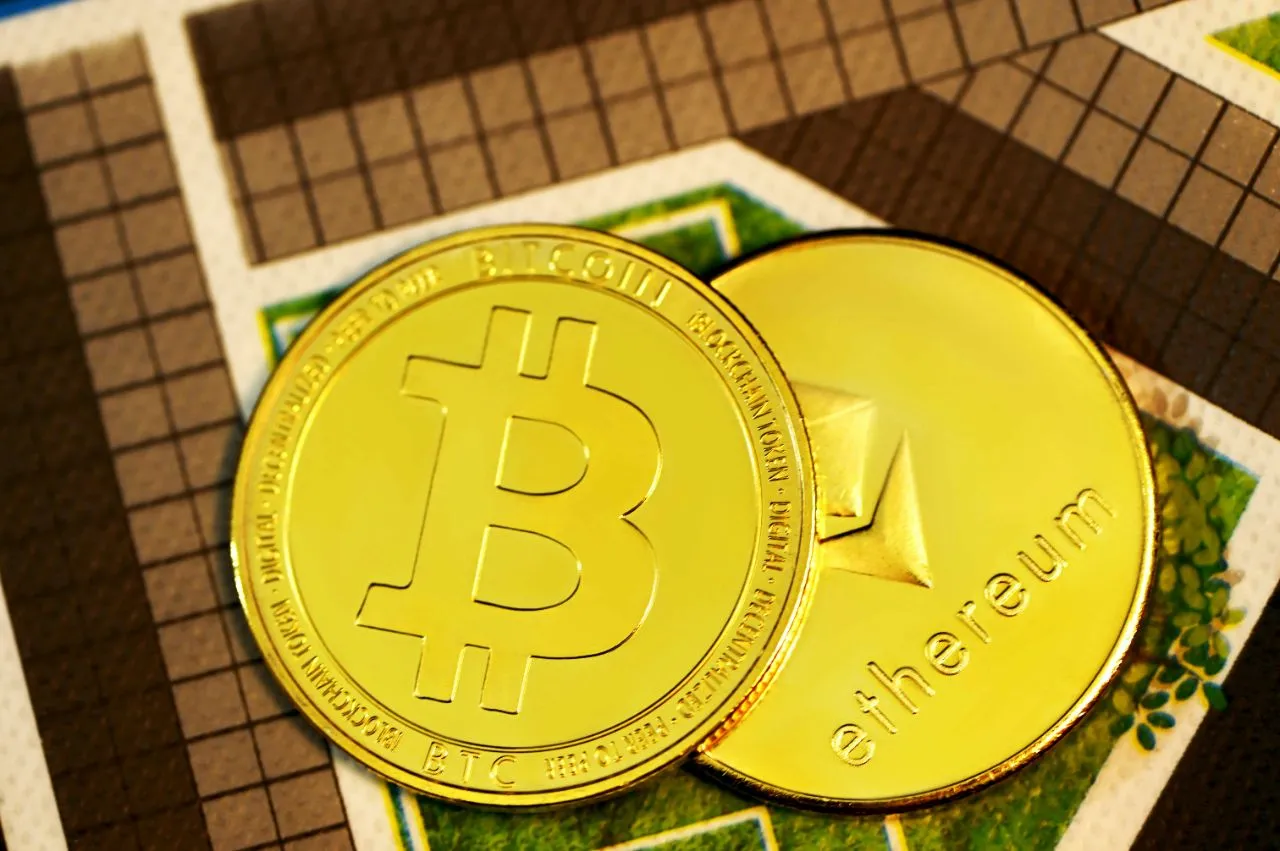
https://asset.coinness.com/en/news/7ea2e43686dce4f76a88667bc0696185.webp
Photo by Kanchanara on Unsplash

Analyst urges policy and profitability

According to an analysis by iM Securities researcher Yang Hyun-kyung, cited by local outlet Etoday, the current downturn stems from several factors: a liquidity crunch in short-term funding markets, a strengthening U.S. dollar, rising risk aversion, and a prevailing narrative of a cyclical correction.


Yang noted that a strong dollar typically drains market momentum, as tighter global liquidity prompts investors to deleverage and reduce exposure to risk assets. He added that growing uncertainty over potential U.S. rate cuts in December has further fueled risk aversion among institutional investors, putting selling pressure on both major cryptocurrencies and altcoins.


While the expected resolution of the U.S. government shutdown may create a more favorable environment for a modest technical rebound, Yang argued that the crypto sector still needs to develop profitable business models and gain growth momentum through supportive policy measures.


Brokerage frames crypto as diversifier

Despite the current headwinds, another Korean brokerage firm released a quarterly report framing digital tokens as an emerging alternative asset class. According to Etoday, Hanwha Investment & Securities CEO Jang Byung-ho wrote in the report that the primary goal of retail investment is to preserve purchasing power.


He drew a parallel to the U.S. market in the 1980s, when bond investors would have seen their returns erode had they failed to recognize equities as a viable investment vehicle. Citing that lesson, Jang suggested investors consider digital assets as a new pillar for portfolio diversification.


Diverging approaches from global central banks

These evolving viewpoints on crypto come against a complex global macroeconomic backdrop. From one perspective, the People’s Bank of China (PBOC) has begun quantitative easing (QE). Otavio Costa, a macro strategist at Crescat Capital, shared a chart on X showing that the value of the PBOC’s balance sheet assets is on track to surpass that of the U.S. Federal Reserve. Costa predicted the Fed would soon follow suit, stressing that investors are underexposed to hard assets.


This potential easing contrasts with speculation that the Bank of Japan (BOJ) may raise interest rates next month. One BOJ board member noted at a recent policy meeting that most conditions for a hike have already been met and added that a move is likely once wage negotiations scheduled for spring point to sustained pay growth, as long as the global economy avoids major disruptions.


These diverging policy directions have mixed implications for the crypto market. Typically, dovish measures like QE are seen as supportive, as increased liquidity tends to boost risk appetite. Rate hikes, by contrast, withdraw liquidity from the system, limiting the upside for risk assets like digital tokens. As economic conditions evolve and the industry adapts, investors will be watching closely to see how these shifts shape the market’s next moves.

 

More to Read
View All
Web3 & Enterprise·

Aug 25, 2023

NFT Seoul Conference 2023 to Picture the Future of Digital Innovation

NFT Seoul Conference 2023 to Picture the Future of Digital InnovationArt Token, a South Korean company that operates non-fungible token (NFT) marketplace 2R2, has made an announcement regarding the upcoming NFT Seoul Conference 2023, scheduled to take place at COEX on September 1. This conference is poised to provide insights into the future trajectory of the ever-evolving digital landscape.According to a local news outlet, the event is co-hosted by Art Token, along with The Korea Herald, an English-language newspaper in Korea, and Soongsil University. Noteworthy support is also coming from Crypto.com, a crypto exchange headquartered in Singapore.Photo by Riza Gabriela on UnsplashNFTs as economic vehiclesHong Ji-sook, CEO of Art Token, shared the motivation behind orchestrating this NFT-focused conference. According to her, the event focuses on the future of NFTs, which are anticipated to serve as economic vehicles in the emerging Web3 digital ecosystem. Hong added that the conference is designed to provide strategic responses to the burgeoning concepts in the expansive digital realm such as decentralization, decentralized autonomous organizations (DAOs), and crypto rewards.Highlighting the pivotal role of NFTs in embracing necessary digital innovations across the domains of art and finance, she emphasized that the conference agenda will showcase sessions and programs that foster a dynamic exchange of ideas. This collaborative environment is anticipated to pave the way for novel opportunities and solutions that hold relevance across blockchain technology, the tech industry, and the artistic landscape.Web3, NFT art, and security tokensThe in-person conference will be structured around three main themes: Web3, NFT art, and security token offerings (STOs). The keynote speakers will delve into the future trends of NFTs and their potential in the Web3 era. They will also analyze the utilization and significance of NFTs in the realm of art. Lastly, the presenters will assess the current state of the Korean security token market and discuss the diverse industrial applications of security tokens. Meanwhile, visitors will have a chance to glean insights from other separate sessions that shed light on the evolving global landscape.

news
Web3 & Enterprise·

Aug 01, 2023

Hong Kong’s Largest Bank in Lackluster Crypto Embrace

Hong Kong’s Largest Bank in Lackluster Crypto EmbraceFor all of its pro-crypto initiatives Hong Kong has been struggling with banking crypto companies. A recent report from the Hong Kong Economic Journal cited Lin Yansheng, Director of Commercial Banking at Hang Seng Bank, Hong Kong’s largest local bank, in outlining that the bank will accommodate crypto but that support is conditional.Photo by Florian Wehde on UnsplashCrypto in a high rates environmentYansheng shared his insights on interest rates, stating that he believes that interest rates will rise but reassures that any increase will be temporary in nature.The Commercial Banking Director acknowledged that Hong Kong’s current high-interest rates, in contrast to those of mainland China and neighboring regions, have caused a slowdown in the overall demand for bank loans. He predicts that loan growth will face pressure this year. However, he also offers a glimmer of hope, stating that a reduction in interest rates may not be far off. He suggests that next year’s expected interest rate cuts could lead to an improvement in loan growth.Data published recently by the Hong Kong Monetary Authority (HKMA) shows that annualized loan growth has been negative since May. It currently stands at -1.1%. Yansheng explained that as borrowing rates decrease in mainland China, Hong Kong’s banking industry is experiencing a downturn in loan growth. The high Hong Kong dollar interbank offered rate (HIBOR) currently limits the volume of corporate borrowing.The rising concerns over interest rates have prompted Hang Seng Bank to acknowledge the importance of cryptocurrencies.Unconvincing crypto embraceThe bank recently outlined the regulatory framework for virtual asset businesses seeking to operate within its purview. To open standard banking accounts, these businesses must obtain an Approval-in-Principle (AIP) license from the Securities Regulatory Commission (SRC), as per the bank’s announcement.The first issue is that obtaining an AIP license has proven to be incredibly difficult. Currently, only OSL and HashKey, two virtual asset trading platforms, have managed to obtain the required clearance. Hang Seng Bank acknowledges that it hasn’t received many inquiries about crypto-banking, attributing it to that challenging process of obtaining AIP certification. Meeting the demanding requirements for such permission poses a significant hurdle for most businesses.Getting beyond this obstacle, Yansheng clarified that even then crypto companies will only be able to obtain a “simple” bank account. He didn’t clarify what services would be excluded but Hang Seng’s embrace of crypto-related business sounds very much like it’s lacking in conviction.Both the China Securities Regulatory Commission and the Hong Kong Monetary Authority have conducted roundtable meetings to address the difficulties faced by virtual asset businesses. Yansheng reiterated Hang Seng’s commitment to complying with the regulators’ instructions and accommodating these companies. However, it’s clear that difficulties remain.Last month, it was reported that Hang Seng Investment Management Co., a wholly-owned subsidiary of Hang Seng Bank and the largest exchange-traded fund (ETF) manager in Hong Kong, was looking to add digital assets to its product line.

news
Policy & Regulation·

Sep 09, 2023

No Turkish Delight for Crypto Exchange CEO Sentenced to 11,196 Years

No Turkish Delight for Crypto Exchange CEO Sentenced to 11,196 YearsIn a landmark ruling, Faruk Fatih Ozer, the 29-year-old Turkish Founder and CEO of defunct Turkish crypto exchange Thodex, has been sentenced to 11,196 years in prison for orchestrating a massive fraud that left investors out of pocket.Photo by engin akyurt on UnsplashExtradited from AlbaniaBloomberg reported on Friday that Ozer, the mastermind behind the Thodex exchange, fled to Albania in 2021, vanishing along with millions of dollars in investor assets as the exchange suddenly crumbled.His arrest in Albania on an Interpol warrant marked the beginning of a lengthy legal battle. Having spent months on the run, he was finally extradited back to Turkey in June, where he faced charges of money laundering, fraud, and organized crime. During the trial in Istanbul, Ozer defended himself, claiming that his actions did not demonstrate criminal intent. He asserted:“I am smart enough to lead any institution on Earth.”“That is evident in this company I established at the age of 22. I wouldn’t have acted so amateurishly if this were a criminal organization,” he added. Nevertheless, the court found him guilty, along with his sister Serap and brother Guven, who faced the same charges.Lengthy jail termThe sentences handed down were notably long, with the defendants sentenced separately for multiple crimes against 2,027 victims. Following the abolition of the death penalty in 2004, lengthy prison sentences are quite common in Turkey.Prosecutors had initially sought a jaw-dropping 40,562-year prison sentence for Ozer, although the difference would have been purely symbolic when compared with the sentence which was ultimately handed down. The Thodex exchange, founded in 2017, quickly rose to prominence as one of Turkey’s largest cryptocurrency platforms.Ozer’s financial acumen earned him national recognition, and he even cultivated ties with influential pro-government figures. However, the sudden implosion of the Thodex exchange in April 2021 shook the cryptocurrency world. Investor assets vanished, and Ozer went into hiding.Reports initially indicated that Ozer had fled with assets worth $2 billion, but the prosecutor’s indictment put the total losses to Thodex investors at 356 million Turkish liras. The depreciation of the lira and rampant inflation since the exchange’s collapse means that this amount is now equivalent to around $13 million on the international markets.Lagging regulationThe Thodex case serves as a stark reminder of cryptocurrency market risks, given its immature state and the lag in regulators responding to the innovation in order to ensure a safe marketplace for investors.Despite this setback in the development of the crypto ecosystem within Turkey, interest in crypto is stronger than ever. A recent report produced by Seychelles-based crypto exchange KuCoin found that there has been a significant increase in crypto market participants in Turkey over the course of the past 18 months. It’s likely that runaway inflation of the Turkish lira is providing Turks with the motivation to investigate crypto as an alternative.

news
Loading