South Korea to exclude stablecoins from new corporate crypto trading guidelines
South Korea’s Financial Services Commission (FSC) is set to exclude stablecoins from the list of digital assets corporations will be permitted to trade under forthcoming corporate crypto trading guidelines, according to a report by Herald Business.
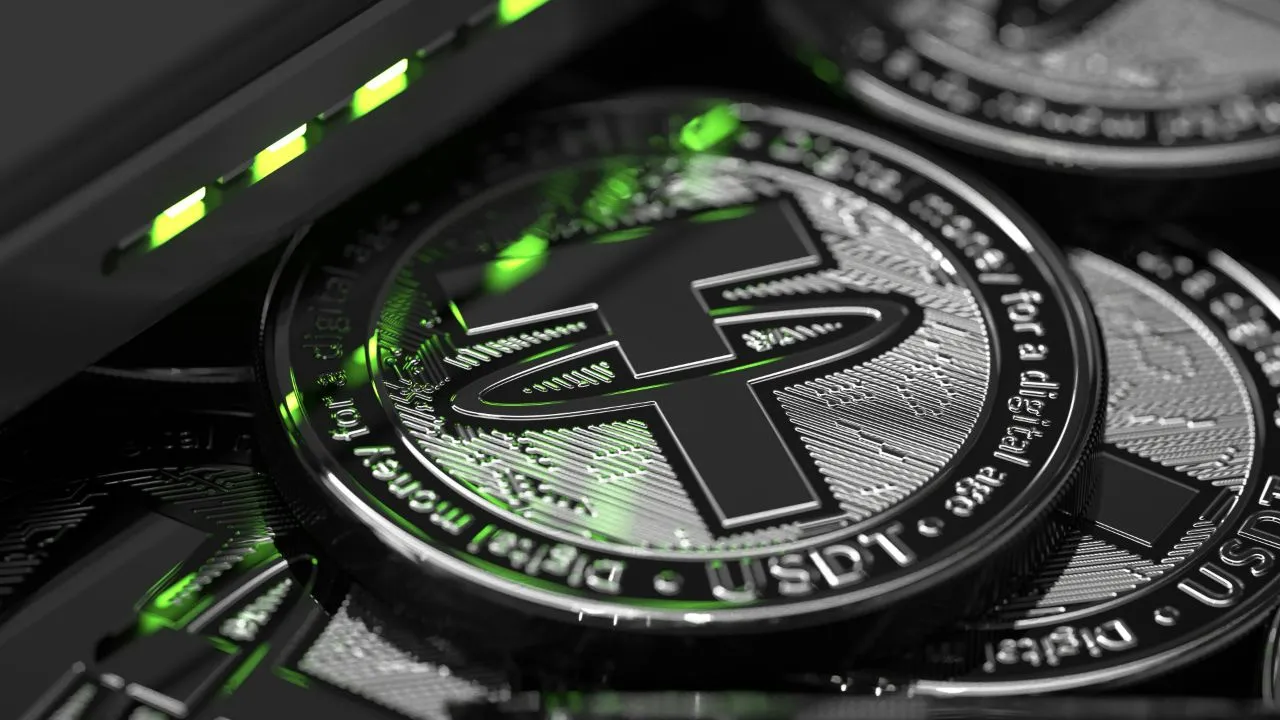
The guidelines will outline the conditions under which listed companies and registered professional investment firms can buy and sell digital assets for investment or treasury management purposes. As regulators move to prevent speculative or indiscriminate investment in the early stages of opening the market to corporations, they have opted to limit the scope of permitted assets. Consequently, U.S. dollar-pegged stablecoins such as USDT and USDC are expected to be excluded from the approved list.
Authorities plan to release the trading guidelines after the Digital Asset Basic Act is finalized. This move partly reflects regulatory constraints: stablecoins are not currently classified as cross-border payment instruments under South Korea’s Foreign Exchange Transactions Act. The law requires payments and receipts involving such instruments to be processed through authorized foreign exchange banks, leaving stablecoins outside the regulated framework.
Companies seek stablecoins for FX hedging
This exclusion, however, does not entirely prevent companies from trading stablecoins. Firms can still access them through overseas channels, including external wallets like MetaMask or over-the-counter platforms operated by exchanges such as Coinbase. Currently, South Korean companies cannot open corporate crypto accounts domestically, making it difficult to use digital assets for formal trade settlement. Nevertheless, payments in stablecoins are sometimes still handled through individual or offshore accounts.
Given these workarounds, some listed companies with large international trade exposure have petitioned regulators to allow stablecoins under the proposed corporate investment guidelines, according to people familiar with the matter. Advocates argue that stablecoins like USDC can be easily traded on exchanges and track the U.S. dollar in real time, making them a highly effective tool for managing foreign-exchange risk.
As the industry awaits this regulatory clarity, the impact is already rippling into the traditional financial sector. Kbank—the banking partner of Upbit, Korea’s largest crypto exchange—recently debuted on the KOSPI benchmark index after two previously failed attempts to go public. According to Bridgenews, Korea Investment & Securities initiated coverage on March 6 with a “neutral” rating, noting that regulatory uncertainty and rising lending competition could limit the bank's near-term growth. However, the brokerage added that the lender’s valuation could improve if it successfully expands its crypto business alongside clearer regulations.
Baek Doo-san, an analyst at Korea Investment & Securities, noted that Kbank’s valuation could see re-ratings if the Digital Asset Basic Act and policies promoting the stablecoin industry are implemented quickly. He said that despite potential overhang risks, faster policy progress could drive multiple expansion, adding that the bank could then be valued in line with its peers’ price-to-book ratios.
Survey shows persistent market fear
These shifting regulatory sands come at a time when the broader crypto market remains under pressure. According to a weekly survey of South Korean investors conducted by CoinNess and Cratos last week, 24% of respondents expect Bitcoin to rise or surge this week, up from 10.3% in the previous survey.
Another 28.1% expect the market to move sideways, compared with 25.5% a week earlier, while 47.9% predict a decline or sharp drop, down from 64.2%. Although bullish sentiment has ticked upward from the previous week, bearish expectations still dominate the overall landscape.
When asked about broader market sentiment, 43.4% of respondents said they felt fearful or extremely fearful. About 35.4% described sentiment as neutral, and only 21.2% reported feeling optimistic or extremely optimistic.
With safe-haven markets facing renewed uncertainty amid geopolitical tensions between the U.S. and Iran, the survey also explored how a potential correction in South Korea’s stock market might affect cryptocurrencies. The largest share of respondents, 39.7%, believed it would be negative for crypto. Meanwhile, 23.6% said it would benefit Bitcoin exclusively, 23.4% felt it would be positive for the broader crypto market, and 13.3% expected it to have no impact.