Top

China Unveils Offline SIM Card Wallet for Digital Yuan Payments

Policy & Regulation·July 12, 2023, 11:46 PM

The People’s Bank of China (PBoC) has announced a new offline SIM card-based solution for its digital yuan, enabling users to make payments even with their phones switched off.
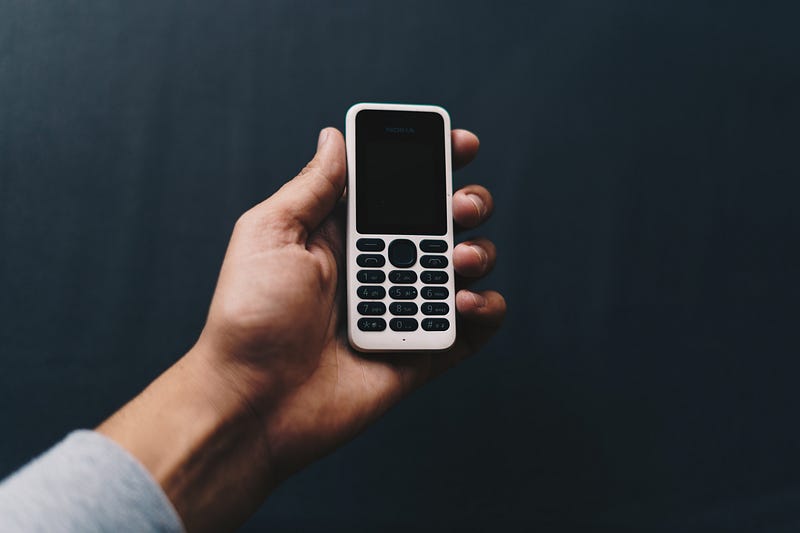
Photo by Sumeet Singh on Unsplash


Embedded hardware

The innovative initiative was revealed via a social media post on Monday. It aims to reach users with 2G phones who were previously unable to access digital currency.

Currently, this feature is only available for Android phone users with NFC functionality, as no details have been given for iOS users or 2G phone owners. This innovation is part of the central bank’s efforts to expand the reach and usage of its digital currency, especially for users with 2G phones who were previously unable to access it.

Earlier this year, the PBoC launched a similar solution for smartphone users, using near-field communication (NFC) technology. However, the latest solution relies on hardware embedded in SIM cards, which can act as a “hard” (offline) central bank digital currency (CBDC) wallet.


Partnership with telecoms giants

The central bank’s partners relative to this particular project include major telecom operators China Mobile, China Telecom, and China Unicom, as well as state-owned commercial banks Industrial and Commercial Bank of China and Bank of China, who have also introduced SIM card-based “hard wallet products.” These developments are expected to significantly improve the payment capabilities and network-free functionality of the digital yuan.

To use this feature, citizens have to get a “super SIM card” from their carriers. After they have replaced their existing SIM cards and opened the digital yuan app on their phones, they will see an option to “open a SIM card hard wallet.” This will enable them to make touch-based payments to merchants even when their devices are powered off or lack network connectivity.

SIM-based wallets are likely to be particularly useful for those using 2G devices or smartphones without NFC capabilities. Considering that about 20% of Chinese mobile users still use 2G phones, it would make sense for the PBoC to continue working in this direction with future updates.


Driving adoption

The ultimate plan of the PBoC regarding SIM-based wallets is not clear yet. However, recent developments, such as the pilot project in Qingdao where CBDC payments were tested on the metro system without electricity or network, indicate a strong push toward increasing the accessibility and adoption of the digital yuan.

Frankly, moves to bring about adoption of the e-CNY have been nothing short of relentless. These measures have varied from paying state employees in e-CNY in Changshu, collaborating with French bank BNP Paribas so that its corporate clients start to use the digital yuan and enabling e-CNY bus fare payments on public transport in Jinan.

China’s Jiangsu Province has integrated the digital yuan into its education system, while the resort city of Sanya recently introduced e-CNY ATM machines so that foreign tourists have a means through which they can access the digital currency. These developments demonstrate a clear commitment by the Chinese authorities in advancing the rollout of its central bank digital currency.

More to Read
View All
Policy & Regulation·

Oct 04, 2023

Coinone Hires Former FSS Official as Head Auditor

Coinone Hires Former FSS Official as Head AuditorKorean crypto exchange Coinone has established an audit department and recruited a former director general of the Financial Supervisory Service (FSS) as head auditor, according to local news outlet Moneytoday. This comes in an effort to establish a permanent internal control system and enhance communication with financial authorities.Photo by Hunters Race on UnsplashBringing in a seasoned expertAccording to industry sources on Wednesday, Coinone recently signed an audit contract with the official, who is now the highest-ranking auditor to be hired by a crypto exchange. It was reported that they had retired from the FSS just last week.The new auditor has an extensive career in financial regulation, starting as an investigator at the Bank of Korea’s Legal Affairs Office, and then holding multiple leadership positions at various departments in the FSS, such as the Bank Supervision Department and the Financial Consumer Protection Department. More recently from 2020 to 2021, they served as the Director of the General Affairs Department. During their comprehensive 30-year tenure at both establishments, they gained expertise in the supervision of financial enterprises.Coinone’s dedication to regulatory complianceThey are expected to start their duties at Coinone soon, shortly after the end of the recent Chuseok holiday. The decision to hire them was strongly influenced by its commitment to auditory regulation, the exchange said, emphasizing the need for internal control and preemptive risk management during the complex process of establishing itself as a formal business.Considering the continued tightening of regulations on cryptocurrencies in Korea, such as the enactment of the Virtual Asset User Protection Act and the introduction of guidelines for accounting and reporting on trading cryptocurrencies, Coinone also said that it is determined to actively engage with financial authorities through the new auditor.“This move reflects the intention to build practical expertise in audit services with FSS personnel who have professional knowledge in the area,” an industry insider commented.

news
Policy & Regulation·

Feb 01, 2024

Floki Inu acts in response to Hong Kong SFC's warning

Meme coin project Floki Inu has implemented restrictions on users in Hong Kong from accessing its staking programs following a warning from the Hong Kong Securities and Futures Commission (SFC). Last week, the regulatory body labeled Floki's staking initiatives as "suspicious investment products'' and urged caution among investors. On Jan. 26, it specifically cautioned Hong Kong users about the Floki and TokenFi staking programs, emphasizing the promised annualized returns ranging from 30% to over 100%. The Commission expressed concern over investment products that make claims of returns deemed "too good to be true."Photo by Jie Yeu Teoh on UnsplashStaking program access block in Hong KongResponding to the SFC's warning, Floki Inu took proactive steps to prevent users in Hong Kong from participating in its staking programs. In an official blog post which was published on Tuesday, the project's team announced the implementation of "practical measures" to block Hong Kong-based users from joining the staking programs. Additionally, prominent warnings have been placed on the Floki and TokenFi staking websites, clearly stating the ineligibility of Hong Kong users to participate. The SFC emphasized that neither of the mentioned investment products holds authorization in Hong Kong, warning that unauthorized schemes provide limited to no protection under its Securities and Futures Ordinance (SFO). Investors engaging in such unauthorized schemes may face the risk of losing their entire investments. Addressing regulatory concernsFloki Inu's team has responded to the regulatory concerns by actively collaborating with legal advisers to address potential regulatory issues associated with the staking project. The team committed to responsible community practices, while affirming its dedication to implementing measures to prevent Hong Kong users from participating in the staking program until regulatory concerns are resolved. As of Jan. 29, there is no record of Hong Kong users joining the staking programs, according to the Floki team. Furthermore, the team revealed that offline marketing activities in Hong Kong had already been halted before the project's launch in December 2023. Clarifying high yieldAddressing the SFC's primary concern regarding the high annual percentage yield (APY), the Floki team provided explanations. They clarified that the rewards are subject to volatility influenced by market dynamics and the value of staking rewards may fluctuate based on the market valuation of the token rewards. The team attributed the high APY for its staking programs to the allocation of the majority of TokenFi's token supply to token stakers, highlighting that the project had not raised venture capital funds or conducted a presale. They noted that market forces beyond their control had significantly increased the TokenFi price from its initial market cap at launch. In response to potential user confusion, the Floki team emphasized the complete decentralization of the staking programs for Floki and TokenFi, assuring users of a clear understanding of how the programs operate. They concluded by expressing their commitment to ongoing collaboration with regulatory bodies to ensure compliance and foster a responsible and transparent environment for users. Community response has been largely positive with one crypto influencer claiming: “You will not find a more legit team in #Crypto than $FLOKI. I’ve known about them for years and everyday they continue to handle themselves in the most informative, structured, and professional way.”   

news
Markets·

Apr 19, 2023

Crypto Winter Halves Korean Bank Fee Profits

Crypto Winter Halves Korean Bank Fee ProfitsLast year, Korean banks collected only half the amount in fees from crypto exchanges compared to the previous year, according to Korean news agency News1.©Pexels/PixabayDeclining bank fee profitsFiles submitted by the Korean Financial Services Commission to Yun Chang-hyun, a member of the ruling People Power Party, revealed that the five major Korean crypto exchanges paid 20.4 billion KRW (~$15.6 million) in fees to banks last year, which is a 49.4% decrease from the previous year’s 40.3 billion KRW (~$30.7 million). These exchanges (Upbit, Bithumb, Coinone, Korbit, and Gopax) have established agreements with banks to hold real-name bank accounts, which is a legal requirement for exchanges that wish to conduct trades in Korean won.Banks that have provided real-name accounts to crypto exchanges saw an increase in fee profits from 2019 to 2021. However, due to a decline in market sentiment last year, trade volume decreased, resulting in a reduction of bank fees. Last year’s crypto winter is attributable to various factors, including uncertainties in the global economy and collapses of crypto enterprises such as Terraform Labs and FTX.Fees by exchangesIn terms of fees paid to banks by exchanges last year, the largest exchange, Upbit, paid 13.9 billion KRW (~$10.6 million) in fees to Kbank, a mobile banking service provider. Bithumb and Coinone paid 4.9 billion KRW (~$3.7 million) and 989 million KRW (~$750,000) in fees to NH Bank, respectively. It is worth noting that Coinone switched its bank from NH Bank to Kakao Bank last November, paying 72 million KRW (~$55,000) to Kakao Bank in the fourth quarter. Korbit paid 486 million KRW (~$370,000) and 19 million KRW (~$14,500) to Shinhan Bank and Jeonbuk Bank, respectively. Gopax partnered with Jeonbuk Bank to obtain its real-name accounts in April last year.Lawmaker Yun said it was apparent that partnerships were being forged between only a handful of banks and crypto enterprises. Current regulations have to be reviewed to encourage more banks to participate in various blockchain businesses, he added.

news
Loading