Top

Indonesian authorities crack down on illegal crypto mining facilities

Policy & Regulation·December 30, 2023, 3:22 AM

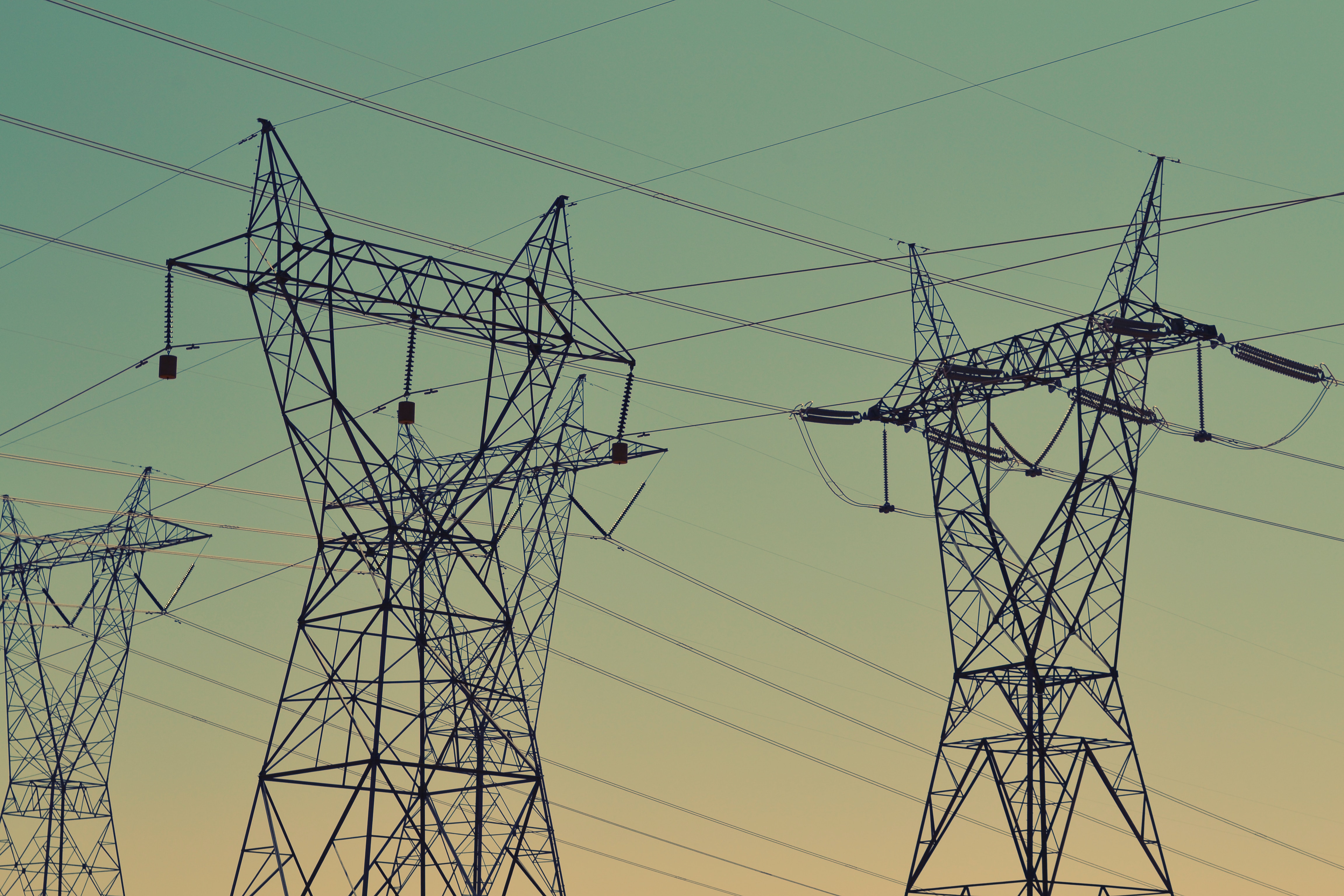
Recent reports from local media outlets indicate that Indonesian authorities have conducted raids on crypto mining sites, accusing them of illicitly siphoning electricity from the utility poles of the state-owned electricity company. The government’s intervention comes as part of a broader effort to address energy theft and regulate the cryptocurrency mining industry in the country.
https://asset.coinness.com/en/news/69ff257db7c47c5688e6b49580353f21.jpg

Photo by Fré Sonneveld on Unsplash

Ten mining sites raided

Officials from the state-owned electricity company PLN highlighted the importance of coordinated efforts in exposing the unauthorized mining operations that were tapping into the national grid without approval. According to the reports, the ten illegal bitcoin mining sites which were raided incurred a financial loss of approximately 1.4 billion Indonesian rupees, equivalent to $100,000 for the state.


The impact of energy theft extended beyond financial concerns, raising environmental and community-related concerns. Local students, alarmed by the potential consequences, urged PLN and regional police to investigate the mining operations. Subsequent action revealed that the theft was indeed taking place, prompting PLN officers from the Bukit Barisan Customer Service Implementation Unit (UP3) to conduct a raid. However, the officers faced threats and resistance, leading to a close coordination between PLN and the North Sumatra Regional Police.


The raid uncovered a total of 1,300 bitcoin mining machines engaged in illegal operations, with each machine consuming a substantial 1,800 watts of electricity. Inspector General Agung Effendi, the North Sumatra Police Chief, disclosed that the illicit activities had been ongoing for an estimated six months, resulting in the arrest of 26 individuals across the ten locations.

PLN reassured stakeholders of continued collaboration with the police to prevent further electricity theft and safeguard the national grid from such unauthorized activities.


Worldwide concern

The incident in Indonesia reflects a global concern over the energy consumption of cryptocurrency mining operations generally, but also with regard to illegal activity. In recent years, the environmental impact of these operations has become a focal point in public policy debates, with climate activists emphasizing the harm caused. Government officials, on the other hand, express concerns about the potential disruption to the total distribution network if not properly regulated.


In September, neighboring Malaysia identified illegal crypto mining activities in the state of Sarawak as the reason for recurrent power disruption. Meanwhile, in Singapore in August, authorities uncovered a crypto mining scam that cheated investors out of $1.3 million dollars.


Indonesia joins other countries that have conducted raids on crypto mining operations accused of running large-scale, unregistered facilities. Malaysia has witnessed multiple arrests related to digital asset mines, while in Venezuela, authorities seized bitcoin machines and weapons from a recaptured prison controlled by a criminal gang.


Legitimate mining potential

Notably, this marks the first such incident in Indonesia, and energy theft charges in the country are punishable by up to five years in prison or 200% of the stolen energy’s value. Despite these problems, Indonesia also understands the opportunity that exists where legal bitcoin mining is carried out. In May, Ridwan Kamil, Governor of the province of West Java, participated in a fireside chat titled “The Indonesia Bitcoin Mining Campaign.”


During that event, Governor Kamil recognized the potential that bitcoin mining offers Indonesia. He stated: “[Indonesia has] the second most geothermal potential in the world — more than 800 rivers with hydropower. As bitcoin allows the transformation of energy into money, bitcoin could be transformative for Indonesia.”


The global trend of addressing energy consumption in crypto mining is evident in Kazakhstan, where regulators seek to limit miners’ access to the national grid unless they operate solar-powered mines. Indonesia, with its pro-crypto population, is also moving towards increased regulation, mandating all crypto exchanges to register with the Commodity Futures Exchange (CFX) to continue operations beyond August 2024.




More to Read
View All
Policy & Regulation·

Nov 25, 2025

Regulators clamp down on crypto energy as nations shift priorities

The blockchain network underpinning Bitcoin, the world’s largest cryptocurrency, requires an energy volume comparable to the annual consumption of Thailand. According to Digiconomist’s Bitcoin Energy Consumption Index, the protocol utilized roughly 204.44 terawatt-hours (TWh) of electricity between Nov. 18, 2024, and Nov. 18, 2025.Photo by Fré Sonneveld on UnsplashFiscal losses drive Malaysian oversightAmid these intense energy demands, Malaysia’s primary electricity utility has recorded substantial financial impairments attributed to illicit activities. Tenaga Nasional Bhd (TNB) reported losses totaling 4.57 billion ringgit ($1.1 billion) from illegal crypto-mining operations over a five-year span. In a Nov. 19 report by The Edge Malaysia, the Ministry of Energy Transition and Water Transformation (Petra) disclosed these figures to parliament, specifying that the unauthorized mining occurred at 13,827 locations between 2020 and August of this year. To counter these infractions through regulatory channels, Petra has formed a special committee scheduled to convene before year-end. This body aims to recommend enhancements to the Electricity Supply Act, which currently delineates penalties based on the offender's classification. Domestic violators face fines ranging from 1,000 to 50,000 ringgit ($240 to $12,000), imprisonment of up to one year, or both. Penalties escalate for non-domestic entities, involving fines between 20,000 and one million ringgit ($480 to $240,000) and potential prison terms of up to five years. Despite these provisions regarding electricity theft, a specific legal code regulating the act of crypto mining remains absent, creating a jurisdictional void. International bans and grid reallocationStrategies to curtail electricity usage by crypto miners are becoming evident elsewhere in Southeast Asia as well. Laotian Deputy Energy Minister Chanthaboun Soukaloun told Reuters last month that the nation intends to suspend electricity supplies to crypto miners by early 2026. He cited the sector's minimal economic contribution and low job creation as primary factors. Consequently, the state plans to redirect power to high-priority sectors, including AI data centers, metals processing, and electric-vehicle manufacturing. Parallel restrictions are emerging globally. In October, the government of British Columbia enacted a permanent prohibition on new BC Hydro connections for crypto miners to safeguard the Canadian province’s energy reserves. Officials pointed to the industry’s "disproportionate energy consumption and limited economic benefit" as the rationale for the policy. The debate over thermal innovationConversely, some enterprises are exploring methods to capture thermal output from Bitcoin mining to heat residential and commercial properties. If viable, such repurposing could utilize the considerable thermal byproducts of mining. A K33 Research study cited by CNBC indicates the industry generates roughly 100 TWh of heat annually, a figure sufficient to warm the entirety of Finland. However, industry consensus on the feasibility of these applications remains elusive. Proponents suggest that mining infrastructure could be situated in proximity to heat consumers. Skeptics, however, contend that the reliance on application-specific integrated circuit (ASIC) chips makes this impractical, arguing that the technical difficulty of mining a block renders household participation unfeasible. Despite these differing views, the concept continues to attract attention as a potential avenue for innovation in energy distribution. As jurisdictions like Malaysia and British Columbia tighten regulatory oversight, the cryptocurrency sector faces mounting pressure to address its energy footprint. The divergence between government restrictions and industry-led efficiency proposals underscores the complex relationship between digital asset infrastructure and global energy resources. Given the shifting landscape of policy and technology, the outlook for sustainable large-scale crypto mining remains uncertain, as governments weigh energy demands against economic benefits and the industry searches for more efficient ways to operate.

news
Web3 & Enterprise·

Dec 12, 2023

HTX experiences $258 million outflow post-hack

HTX experiences $258 million outflow post-hackHTX, the digital-asset trading platform associated with Chinese-born crypto mogul Justin Sun, has witnessed a substantial net outflow of $258 million since resuming operations after a significant security breach.According to Bloomberg, data from DefiLlama indicates that the outflow occurred between the exchange’s restart on Nov. 25 and Dec. 10, signaling unease among some clients following last month’s cyberattack. In November, HTX reported a loss of $30 million in crypto tokens due to the breach, prompting a temporary suspension of withdrawals and deposits.Towards the end of last month, the platform re-enabled withdrawal services for major cryptocurrencies, gradually bringing the exchange back to full service, supporting withdrawal of all digital assets.Photo by Amritanshu Sikdar on UnsplashMultiple hacksJustin Sun is also associated with the Poloniex exchange and the HECO Bridge, a network established by HTX for blockchain transfers. Both Poloniex and HECO fell victim to hacks in November, resulting in the theft of approximately $200 million in crypto. It’s worth noting that hackers had previously stolen $8 million from the HTX platform in September.HTX, which was formerly known as Huobi up until a business rebrand in September, boasts an average trading volume of $1.5 billion in the past 24 hours, securing its position as the fifteenth largest exchange when measured in terms of trading volume.Increased vigilanceIn the wake of several high-profile crypto platform failures in 2022, digital-asset investors are increasingly vigilant about monitoring flows and reserves at virtual currency exchanges. In particular, that trend gained momentum after the FTX platform’s collapse last year due to fraud.November turned out to be the most damaging month this year so far in terms of platform digital asset theft. Exit scams and exploits encountered during the month totaled a staggering $363 million in losses.In October, the UK’s Financial Conduct Authority (FCA) included HTX, alongside KuCoin, on a warning list, due to their promotion of services in the UK, without having obtained the required regulatory approvals.A third of reserves in BitcoinDefiLlama data reveals that Bitcoin constitutes the largest portion of HTX’s reserves, accounting for approximately 33%. Tron’s TRX token, launched by Sun in 2017, represents around 32% of the reserves. HTX’s native exchange coin, HT, makes up 14%, followed by a Sun-backed token named stUSDT at 12%.In August, Travis Kling, Founder of Ikigai Asset Management, had this warning relative to Sun and HTX:”Justin Sun is a criminal. There’s a hole in Huobi, a hole in TUSD and a hole in Tron DeFi. Act accordingly.”TRX, at the center of U.S. fraud allegations against Sun, prompted a March lawsuit by the Securities and Exchange Commission (SEC), accusing him and his firms of market manipulation to inflate the token’s trading activity. Sun dismissed the suit on the X social media platform back in March, stating that it “lacks merit.” On Sunday, Sun claimed that the Tron blockchain network which he founded had reached a new milestone of 200 million users.Despite security firm BlockSec reporting the recovery of the $8 million stolen in September, hackers still appear to control the $30 million taken last month. The ongoing situation raises concerns about the security measures and resilience of HTX in the face of persistent cyber threats.

news
Web3 & Enterprise·

May 09, 2023

Hanwha Resorts Partners with Blockchain Donation Platform Cherry

Hanwha Resorts Partners with Blockchain Donation Platform CherrySouth Korean hospitality company Hanwha Hotels & Resorts (H&R) has announced on Tuesday a collaboration with Cherry, a blockchain-powered donation platform, to raise awareness for charitable giving, according to news outlet Economic Review.Photo by Markus Winkler on UnsplashTracking donations in real-timeCherry became the first mobile app in Korea to enable users to track their donations in real-time using blockchain technology. The platform offers various donation methods, including participation in dance challenges, which have attracted the interest of younger generations.Supporting through NPOThrough this partnership, Hanwha H&R will launch a donation campaign called Sneakers’ Day. The campaign will support underprivileged children’s leisurely travel through the non-profit organization (NPO) Yana once participants’ total steps reach 6 million. Users can join the event by clicking the Hanwha H&R campaign button on the Cherry app and walking.The app counts users’ steps and ranks them, fostering a competitive atmosphere and encouraging more participation. The campaign will take place from May 15 to 31, and is open to everyone.Rewards for participantsThe top three walkers will receive Hanwha H&R vouchers worth 100,000 KRW, 70,000 KRW, and 50,000 KRW. Participants who share a picture of their successful donation on social media will be entered into a random draw to win one of 10 travel kits. Additionally, walkers who achieve over 10,000 steps will have a chance to win one of 10 Starbucks gift cards.A Hanwha H&R official revealed that the company held a similar event for its employees last month, reaching the goal in just 10 days. The company plans to continue participating in various environmental, social, and governance (ESG) activities to maintain its commitment to social responsibility.

news
Loading