Top

StashAway opens access to Fidelity crypto ETFs in Malaysia

Markets·February 03, 2025, 5:26 AM

StashAway Malaysia, a Malaysian Securities Commission (SC)-licensed digital investment platform, has extended its market offering to include crypto exchange-traded funds (ETFs) within the Southeast Asian nation.


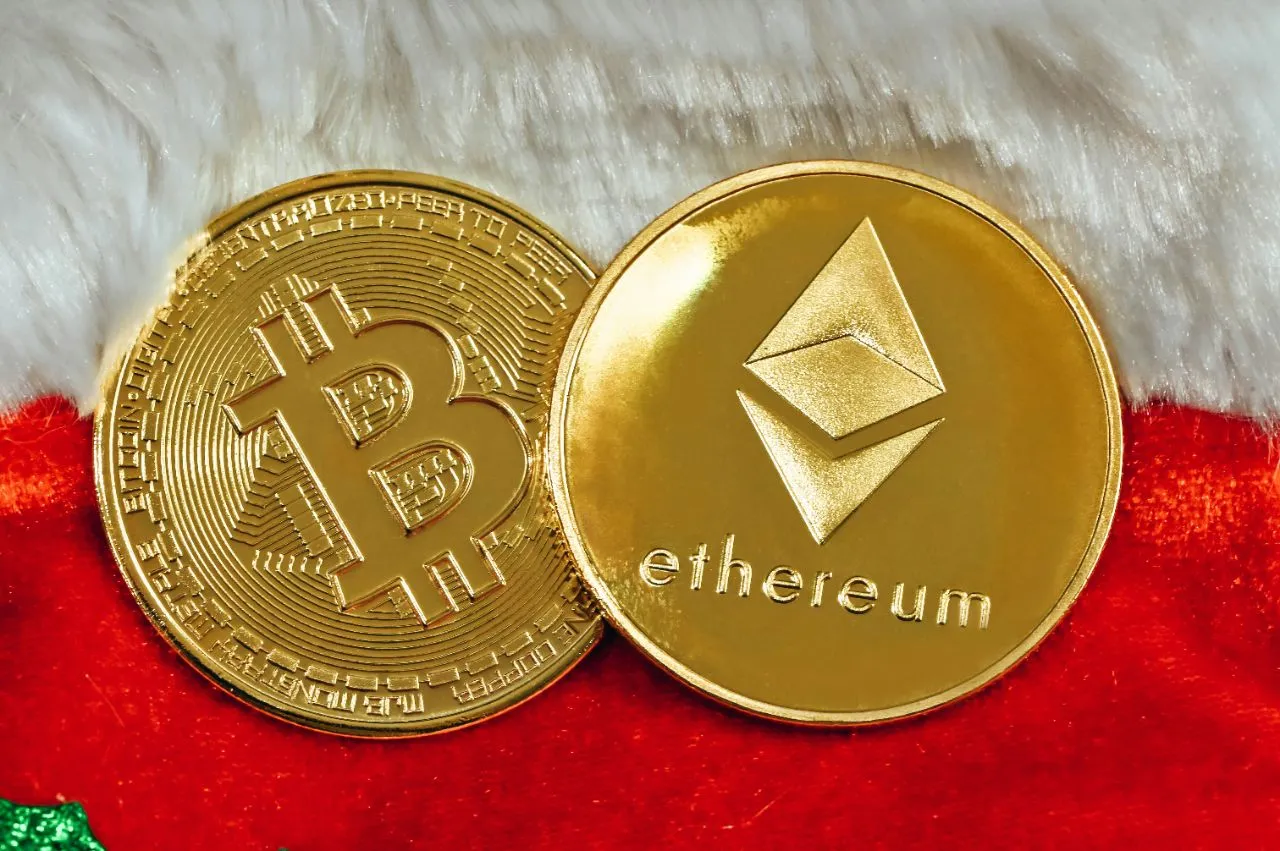
Malaysian daily English language newspaper the Sun reported on Jan. 22 that StashAway will enable Malaysians to invest in two top-tier cryptocurrencies, Bitcoin (BTC) and Ethereum (ETH), through its regulated platform.
https://asset.coinness.com/en/news/b3d65b012b23087826b8fa26858e0fd8.webp
Photo by Traxer on Unsplash

Fidelity products

The company is providing its Malaysian clientele access to crypto investment products offered by American multinational financial services company Fidelity Investments. These include the Fidelity Wise Origin Bitcoin Fund (FBTC) and the Fidelity Ethereum Fund (FETH).


StashAway Malaysia Country Manager Wong Wai Ken explained the company’s rationale in adding the two products. He stated:


“Many of our clients have expressed interest in the long-term potential of major cryptocurrencies like Bitcoin but have been hesitant because of security concerns or the complexities of navigating crypto exchanges. We’re now offering them a familiar and safe way to diversify their portfolios by incorporating crypto through a platform they already know and trust.”


On a previous occasion, Wong told the Sun that its role is to help investors to diversify their portfolios. Adding access to cryptocurrency fits that objective. The StashAway executive believes that while there may be growing mainstream adoption of cryptocurrency, many investors are turned off gaining exposure due to the risks involved with self-custody or the fees and counterparty risk involved with cryptocurrency exchanges.


StashAway charges management fees ranging from 0.2% to 0.8%. The Fidelity crypto ETF products will be offered with a 0.25% annual management fee. 


Last June, Malaysian commercial bank Affin Bank became the first entity to offer a crypto ETF in Malaysia. The bank partnered with local fund management company Cross Light Capital to launch the actively managed digital asset fund. Titled the “Performa Digital Asset Fund,” the product incorporates investment in Bitcoin and Ether exchange-traded products (ETPs), with the remaining third invested in blockchain-related equities.


The approval of eleven Bitcoin ETFs in the United States led to greater consideration for the approval and addition of such products internationally. However, in the first few months following the launch of these products, regulators, exchange platforms and asset management firms still remained cautious. 


In March of last year, Bursa Malaysia, Malaysia’s stock exchange, dismissed the notion of adding cryptocurrency to its multi-asset exchange. Within the region, regulators in Singapore and Thailand both dismissed the idea of enabling Bitcoin ETFs within their markets. 


Since then, Thailand’s regulator has moved closer in its consideration of such a product offering. In the case of Malaysia, earlier this month, the country’s Prime Minister, Datuk Seri Anwar Ibrahim, called for stakeholders such as the central bank to focus on cryptocurrency so that the Southeast Asian nation doesn’t get left behind.


StashAway is headquartered in Singapore. Besides Singapore and Malaysia, the company also serves investors in Thailand, the United Arab Emirates (UAE) and Hong Kong. The digital platform has 50,000 users in Malaysia, where it serves retail and accredited investors. The company was the first robo-advisor platform to acquire a Capital Markets Services License from the SC in Malaysia.

More to Read
View All
Web3 & Enterprise·

Nov 06, 2023

NuriFlex Holdings partners with Catalyx Exchange to explore security tokens and RWAs

NuriFlex Holdings partners with Catalyx Exchange to explore security tokens and RWAsNuriFlex Holdings Inc., the Canadian parent company of South Korean IoT solutions provider NuriFlex Co., Ltd., has recently signed a memorandum of understanding (MOU) with the Canadian cryptocurrency exchange, Catalyx. According to a report by the Korea Economic Daily, this collaboration is designed to facilitate both entities’ entry into the markets of security token offerings (STOs) and real-world assets (RWAs).Photo by Chris Liverani on UnsplashNuriFlex Group’s diverse portfolio and industry experienceWith a 30-year track record, NuriFlex Group has supplied global utility companies with robust software platforms designed for handling vast amounts of data. Beyond this, the group manages an array of services, including blockchain-based digital payments, a social dating metaverse known as NuriTopia and Web3 wallet services. Furthermore, NuriFlex Group has established a business network to support central bank digital currency (CBDC) initiatives in Central and South America as well as Africa. Leveraging its longstanding industry presence and extensive connections, NuriFlex Group strives to venture into the sectors of STOs and RWAs.Canadian crypto exchange since 2019Meanwhile, Catalyx Exchange, established in 2019 and headquartered in Calgary, Alberta, is known to have the management and technological expertise necessary to operate trading platforms for security tokens and RWAs.An official from NuriFlex Group conveyed their enthusiasm for the partnership, emphasizing their collective goal to lead the way in innovation. They intend to jointly launch a platform that is not only secure and efficient but also fully compliant with the laws and regulations of the country in which they operate.A representative from Catalyx also shared a positive outlook, noting that the exchange has been gearing up to branch out into the STO and RWA sectors for several years. They expressed their pleasure at having the opportunity to collaborate with NuriFlex Holdings on this venture.

news
Policy & Regulation·

Nov 30, 2023

Regulatory breach sees Philippines initiate blockade on Binance

Regulatory breach sees Philippines initiate blockade on BinanceIt’s been a very challenging year for global crypto platform Binance — one that doesn’t appear to be improving with the latest move to block access to the platform in the Philippines.Photo by Alexes Gerard on UnsplashUnlicensed to tradeIn a noteworthy development, the Philippines Securities and Exchange Commission (SEC) declared on Tuesday its intention to block access to the Binance platform due to regulatory irregularities.The SEC asserted in a statement that Binance lacks the necessary license to operate in the Philippines, cautioning the public against engaging in investment products on the platform. The regulator stated:”BINANCE is NOT REGISTERED as a corporation in the Philippines and OPERATES WITHOUT THE NECESSARY LICENSE AND/OR AUTHORITY.”The regulatory body is actively working to have Binance blocked in the country, citing concerns about unregistered investment products. The impending ban is set to take effect within three months, allowing investors a window to exit their positions held through Binance.Pushback on advertisingIn addition to its attempts to block access to the platform, the SEC has also approached tech giants Google and Meta (Facebook’s parent company), requesting the blocking of Binance advertisements on their platforms within the country. This is a response to social media campaigns designed to attract Filipino investors to the embattled cryptocurrency exchange. While users can still download the Binance app from Google and Apple app stores in the Philippines, the extent of investor activity in the country remains uncertain.Follows U.S. regulatory actionThese actions in the Philippines come hot on the heels of Binance’s CEO Changpeng Zhao (CZ) stepping down and pleading guilty in a U.S. money-laundering case. The Philippines’ ban adds to Binance’s challenges as it aims to expand in Southeast Asia amid legal troubles in the U.S. and restrictions on operations in China.Over the course of a three-month period earlier this year, the world’s largest crypto exchange platform lost its ability to trade in Germany, Canada, Belgium, the Netherlands and Cyprus. Additionally, French authorities have been investigating the platform for alleged illegal provision of digital asset services and aggravated money laundering.Facing regulatory pushback in the U.S. and Europe, Binance appeared to be concentrating on making further in-roads in Asian markets over the course of this past year. It had recently pursued a joint venture with Gulf Energy in Thailand to launch a new digital assets exchange.Media reports previously suggested that Binance was considering acquiring a Philippine company to obtain operating licenses in the country. The SEC’s move to ban the platform follows a warning issued last year against using Binance, and it represents a broader effort to regulate the cryptocurrency sector and protect the public interest.The recent guilty plea by CZ for violating U.S. money laundering laws has added to the legal woes of the cryptocurrency giant. CZ agreed to personally pay $50 million in penalties as part of a $4.3 billion settlement to resolve investigations into Binance’s practices. He may also still face prison time in the U.S. In the Philippines, the SEC warns that Section 28 of the Securities Regulation Code (SRC) allows the application of a fine of up to five million pesos ($90,000) and a maximum prison term of 21 years.

news
Policy & Regulation·

Dec 12, 2023

China and Singapore collaborate on cross-border digital yuan transactions

China and Singapore collaborate on cross-border digital yuan transactionsTaking yet another stride toward globalizing the e-CNY currency, China’s central bank has unveiled a pilot program in collaboration with its Singaporean counterpart, enabling tourists from both countries to use the digital yuan for transactions when traveling.Photo by Eric Prouzet on UnsplashSeries of initiativesThis move is part of a series of initiatives unveiled by the two governments during a Joint Council for Bilateral Cooperation event which was held in Tianjin, China, last week. Among the announced measures is a mutual 30-day visa-free travel arrangement, one of 24 deals signed to strengthen bilateral ties between China and Singapore.The Monetary Authority of Singapore (MAS) disclosed in a statement that it had collaborated with the Digital Currency Institute of the People’s Bank of China (PBOC) for this initiative. The program aims to facilitate the use of the digital version of the Chinese currency for tourist spending, enhancing convenience for travelers during their overseas trips. While specific details about the scheme were not disclosed, it represents a collaborative effort to promote cross-border transactions using the digital yuan.Internationalizing the digital yuanIn its reporting on the announcement, the South China Morning Post (SCMP) pointed to the views of Richard Turrin, an independent financial technology consultant and author of “Cashless: China’s Digital Currency Revolution.” Turrin sees the digital yuan collaboration as a promising opportunity for cross-border retail use. He suggests that starting with small transactions, such as those by tourists, could pave the way for broader applications in trade and other high-value scenarios.In an editorial back in November, the SCMP referred to the birth of the Petro-Yuan, speculating that the era of the Petro-Dollar is coming to an end. “In a global political economy long dominated by the petrodollar, this could be the beginning of a seismic shift,” the editorial stated. The internationalization of the e-CNY will likely be a key aspect of that overall monetary sea change.Over 5 years in developmentChina initiated digital yuan testing in 2019, and although an official launch timetable has not been confirmed, adoption has accelerated recently. Former PBOC governor Yi Gang reported that total e-CNY transactions reached 950 million yuan ($133 million) in June, with a cumulative value of 1.8 trillion yuan compared to 100 billion yuan in August 2022. This indicates a substantial increase in digital yuan transactions.The momentum extends beyond mainland China, with Beijing exploring CBDC usage internationally. The mBridge trial, completed last year, involved multiple countries using central bank digital currencies to settle trades, including Hong Kong, Thailand and the United Arab Emirates.In June, authorities in China’s resort city of Sanya introduced e-CNY ATMs so that foreign visitors could buy the digital yuan and use it during their time in China. Another initiative aims to encourage further use of the digital currency within the Chinese autonomous territory of Hong Kong. In July, the Hong Kong arm of the Bank of China rolled out a digital yuan shopping festival in Hong Kong, allowing visitors to Hong Kong from mainland China to make purchases using the digital yuan.

news
Loading