Top

HKEX to launch digital asset index with real-time pricing within Asian time zone

Markets·October 31, 2024, 1:26 AM

Hong Kong Exchanges and Clearing Limited (HKEX), the operator of the Hong Kong stock exchange, has announced plans to launch a digital asset price index.


The index which the company is marketing as the HKEX Virtual Asset Index Series, will aim to provide for the developing asset class, while complimenting Hong Kong’s overarching efforts to transform itself into a regional digital assets hub. The company announced details of the new product offering in a press release published to its website on Oct. 28. HKEX indicated that the product will go live on Nov. 15, outlining that the product “provides investors with transparent and reliable benchmarks for Bitcoin and Ether pricing in the Asian time zone.”
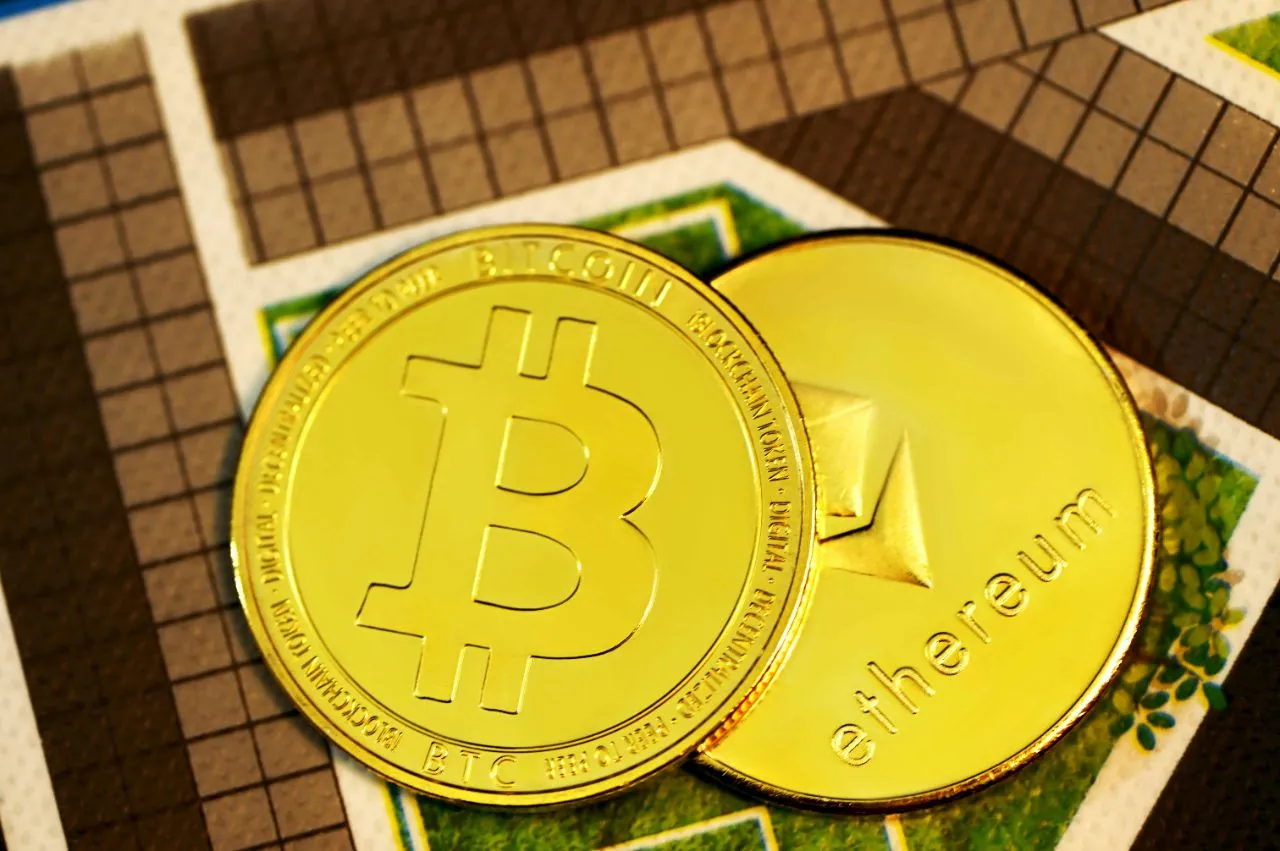
https://asset.coinness.com/en/news/62596b3bd850c0ed68532a0fdd0fb208.webp
Photo by Kanchanara on Unsplash

Reference index for Bitcoin (BTC) and Ether (ETH)

The firm claims that the Index Series will include a Reference Index for Bitcoin (BTC) and Ether (ETH) while providing a Reference Rate for the two leading digital assets. The Reference Index will be formulated using a 24-hour volume-weighted reference spot price, with that pricing coming from leading virtual asset exchanges. The Reference Rate has been devised with the settlement of financial products in mind. As a result, it will be calculated on a daily basis at 16:00 Hong Kong time.


From a compliance perspective, the product complies with the European Union’s (EU) Benchmark Regulation (BMR), being the first such product to be developed in Hong Kong. Additionally, the Index Series will be administered by CCData, a UK-headquartered data and index solutions firm formerly known as CryptoCompare. 


Taking to the X social media platform, CCData outlined that the product is underpinned by its data selection process, leveraging its “Exchange Benchmark methodology to provide highly robust real-time and EOD  [end-of-day] reference rates.”


The firm added that the offering will introduce “essential benchmarks for the Asian market,” while enhancing transparency and reliability within the digital assets sector, broadening opportunities for market participants across the region.


Enabling informed investment decisions

HKEX CEO Bonnie Chan said that the company was pleased to introduce the HKEX Virtual Asset Index Series to meet the region's growing demand for this fast-emerging asset class. “By offering transparent and reliable real-time benchmarks, we seek to enable investors to make informed investment decisions,” she added.

Like many other financial services firms in TradFi, HKEX has been getting itself acquainted with the blockchain and digital assets sector. In October of last year, the firm launched a blockchain-based settlement platform called Synapse. The platform relies upon DAML-based smart contracts.


Earlier this year, a number of asset management firms launched spot Bitcoin and Ethereum exchange-traded funds (ETFs) on the exchange. In April, a report published by HKEX suggested that the true potential of crypto ETFs had yet to be fully realized, pointing out that a number of regulatory tweaks would be necessary to better support digital asset-based products.


HKEX itself could have a greater role to play in the expansion of the digital assets sector in Hong Kong. Last month Hong Kong Legislative Council member Lee Wai-hung called on the platform to expand its range of derivatives, including crypto derivatives.


More to Read
View All
Policy & Regulation·

Feb 17, 2024

Ethiopia may be embracing Bitcoin mining with new data mining partnership

Ethiopian Investment Holdings, the largest sovereign wealth fund in Africa, has announced the signing of a memorandum of understanding (MoU), which is suspected to involve a deal on Bitcoin mining. Deal uncertaintyTaking to LinkedIn on Feb. 15, the sovereign wealth fund outlined details of a partnership with Data Center Service, a subsidiary of Hong Kong’s West Data Group. Separately, Kal Kassa, CEO of Ethiopian operations at Hashlabs Mining, posted on the X social media platform, outlining that it was a stakeholder in the project and that it involved Bitcoin mining. The matter lacks full confirmation however, given that Kassa subsequently deleted his post while the sovereign fund’s statement falls short of mentioning Bitcoin mining. Once verified, the project would signify a substantial investment of $250 million. It’s understood that the investment would be directed towards the establishment of state-of-the-art infrastructure tailored for data mining and artificial intelligence (AI) training operations within Ethiopia.Photo by Kelly on PexelsExploiting abundant energy resourcesA key component of this venture may involve the setup of Bitcoin mining operations utilizing Canaan Avalon miners. This initiative would align with Ethiopia's broader strategy to capitalize on its abundant energy resources to attract international investment and stimulate economic growth.Ethiopia has about 5,200 MW of installed generation capacity, 90% of it coming from hydropower and the remainder from wind and thermal sources. While the official confirmation from the government is pending, the ambitious project has sparked both excitement and skepticism within the industry. Concerns linger regarding the energy-intensive nature of Bitcoin mining and its potential strain on the local electricity supply, an issue of particular relevance in a nation where energy accessibility remains a pressing challenge for many. Bloomberg reportEarlier this month, a report from Bloomberg highlighted Ethiopia as being a new haven for Chinese crypto miners. Following the imposition of a mining ban in China in 2021, many operations were redeployed overseas. Kazakhstan in particular was a popular choice. The Eurasian country wasn’t prepared for the influx, leading to power blackouts.Hashlabs Mining co-founders Jaran Mellerud and Alen Makhmetov both featured in the article. Mellerud outlined the difficulty, stating:“Firstly, countries can run out of available electricity, leaving no room for miners to expand. Secondly, miners can suddenly be deemed unwelcome by the government and be forced to pack up and leave.”Makhmetov outlined that he had a 10 MW facility in Kazakhstan which still sits idle today as curbs and taxes enforced in Kazakhstan on miners “basically killed the industry.” Despite these difficulties in Kazakhstan and China's official ban on cryptocurrency trading, the legalization of Bitcoin mining in Ethiopia in 2022 has spurred a notable influx of Chinese miners seeking new investment avenues. Ethiopia will need to be mindful of the difficulties experienced in Kazakhstan. With that, the Ethiopian government's move towards regulating cryptographic products, including mining activities, reflects a measured yet optimistic approach towards harnessing the economic potential of Bitcoin mining. This regulatory framework aims to strike a balance between fostering sector growth and safeguarding the country's energy security and environmental commitments.  

news
Policy & Regulation·

Jan 10, 2024

Singapore regulator adds imToken crypto wallet to Investor Alert List

Singapore's Monetary Authority (MAS) has recently added the non-custodial crypto wallet, imToken, to its Investor Alert List, prompting a response from the Singapore-based company.Photo by Zhu Hongzhi on UnsplashIdentifying unregulated entitiesAccording to the official MAS website, imToken found its place on the alert list on Dec. 5. This regulatory move demonstrates that MAS is monitoring the evolving crypto landscape with a view towards safeguarding investors from potential risks. The list serves as a repository of unregulated entities that might be mistakenly perceived as licensed or regulated by MAS. The regulatory body had also flagged BKEX digital asset exchange in December. BKEX had suspended withdrawals earlier in the year, having gotten caught up in an investigation surrounding money laundering activity on the platform. More recently, the company has ceased operations. Company responseIn response to being added to MAS's alert list, imToken took to the X social media platform (formerly Twitter) to address user concerns on Tuesday. The non-custodial wallet clarified that it had not applied for a financial business license in Singapore, the primary reason for its listing. Notwithstanding that, ImToken reassured its users that their assets remain unaffected due to the platform's decentralized nature. The company outlined that it is actively engaging with MAS to clarify its business model and aims to have imToken removed from the Investor Alert List. This development highlights the ongoing dialogue between crypto platforms and regulatory bodies, emphasizing the need for clear communication and compliance within the evolving crypto regulatory landscape. As MAS continues to take decisive actions, the industry remains under scrutiny, necessitating collaboration between regulators and crypto entities for a well-balanced and secure financial ecosystem. Unintended consequencesMAS has taken a proactive approach to regulation in the crypto space. That has been evidenced in previous actions such as blacklisting Binance in 2021, leading to Binance relocating its operations to Dubai. That blacklisting turned out to provide a classic example of the law of unintended consequences. With Binance having removed itself from the local market following the blacklisting, many Singaporeans chose to use FTX instead. FTX subsequently failed in November 2022, leaving a disproportionate number of Singaporean customers out of pocket. The inclusion of imToken on the alert list is particularly noteworthy amid the growing popularity of non-custodial wallets. Statista data from 2022 indicates that 81 million users have adopted non-custodial wallets, providing them with greater control over private keys and crypto assets. However, this surge in usage has also brought about increased regulatory attention due to associated risks. Founded in 2016, imToken was initially launched in Hangzhou, China, prior to relocating its headquarters to Singapore. At various stages, the firm has been funded by companies such as IDG Capital, Qiming Venture Partners and HashKey. HashKey has also collaborated with the company by extending trading services to imToken wallet users, including direct bank transfers. In 2021 imToken partnered with U.S. blockchain infrastructure provider Infinity Stones in order to enable an in-wallet ETH2.0 staking service.

news
Web3 & Enterprise·

Nov 03, 2025

Kyobo Life Insurance joins Circle’s Arc testnet amid growing crypto interest in Korea

Kyobo Life Insurance, one of South Korea’s largest life insurers, has become a participant in the recently launched public testnet for Circle Internet Group’s Arc. This new open layer-1 blockchain network aims to serve a broad range of use cases, including lending, capital markets, foreign exchange (FX), and global payments.Photo by Kindel Media on PexelsNotable global participants in the Arc networkAccording to a press release from Circle, published on Oct. 28, multiple prominent banks and asset managers are also engaging with the Arc network. Kyobo Life stands as the only South Korean entity involved in the initiative. Other notable global participants include BlackRock, Deutsche Bank, Goldman Sachs, SBI Holdings, and Standard Chartered. This move comes on the heels of Kyobo Life’s earlier participation in a stablecoin project spearheaded by the Seoul-based Open Blockchain & Decentralized Identifier (DID) Association. This highlights the insurer’s growing interest in exploring business opportunities within the digital assets space. Korean crypto exchanges step up oversightAs cryptocurrencies gain increasing recognition as a new asset class, South Korean exchanges have become more vigilant in monitoring user activities, partly to curb potential criminal behavior. A report by Money Today revealed that over the past six years, local trading platforms have halted a total of 82.9 billion won ($58.1 billion) in crypto withdrawals. Among these, Bithumb accounted for the largest share, suspending withdrawals totaling 50.5 billion won ($35.4 million) from 2020 to September 2025. Upbit suspended 25.6 billion won ($18 billion) in the same period, while other exchanges like Coinone, Korbit, and Gopax reported more modest suspensions. These actions are largely in response to the Virtual Asset User Protection Act, which came into effect in July 2024. The Act aims to enhance oversight and safeguard consumers, reflecting the government’s intent to regulate the sector more tightly. Surge in Korea-Cambodia stablecoin tradingParallel to these regulatory developments, a dramatic surge in stablecoin trading volume has been observed between South Korea and Cambodia. According to data from the Financial Supervisory Service (FSS) reported by the Seoul Shinmun, transactions between five major South Korean exchanges and Cambodia’s Huione Guarantee skyrocketed to 12.8 billion won ($8.98 million) in 2024, marking a staggering 1,400-fold increase compared to just 9.22 million won ($6,500) in 2023. This rise in activity coincides with recently uncovered criminal cases originating from Cambodia and has raised concerns about illicit practices within the crypto market. In response to these concerns, crypto exchanges are bolstering their efforts to cooperate with law enforcement. Binance, the world’s largest crypto exchange by trading volume, was recently honored with a commendation by the South Korean Minister of the Interior and Safety for its contributions to enhancing cybercrime investigations and administrative capabilities. This accolade comes amid Binance’s increasing presence in South Korea. Binance, which had acquired Gopax ahead of regulatory approval, has now received clearance from local financial authorities to become the Korean trading platform’s largest shareholder. Public sentiment on Binance’s acquisition of GopaxA recent survey conducted by CoinNess and the community-voting app Cratos, which polled 2,000 South Koreans, provided insights into the public’s perception of Binance’s acquisition of Gopax. Among respondents, 38.8% indicated that their decision to use the rebranded platform would depend on the benefits it offered compared to other exchanges, while 23.6% said they were already planning to use it. Together, these figures suggest that 62.4% of participants are open to the platform, although some are conditioned on its advantages. However, 27.5% rejected the platform entirely, and 10.2% stated they do not use local exchanges at all. As South Korea deepens its role in the global digital asset ecosystem, its growing participation in initiatives like Circle’s Arc network reflects an ambition to align with international finance trends. At the same time, stricter oversight and cross-border monitoring signal a firm commitment to transparency. The balance it strikes between innovation and regulation will define its path in the global crypto arena. 

news
Loading