Top

China mulls yuan-pegged stablecoin approval

Markets·August 21, 2025, 2:33 AM

The Chinese authorities are reportedly mulling over the possibility of approving the use of stablecoins pegged to and backed by the Chinese yuan.


That’s according to a report published by Reuters on Aug. 20, with the publication citing “sources familiar with the matter.”
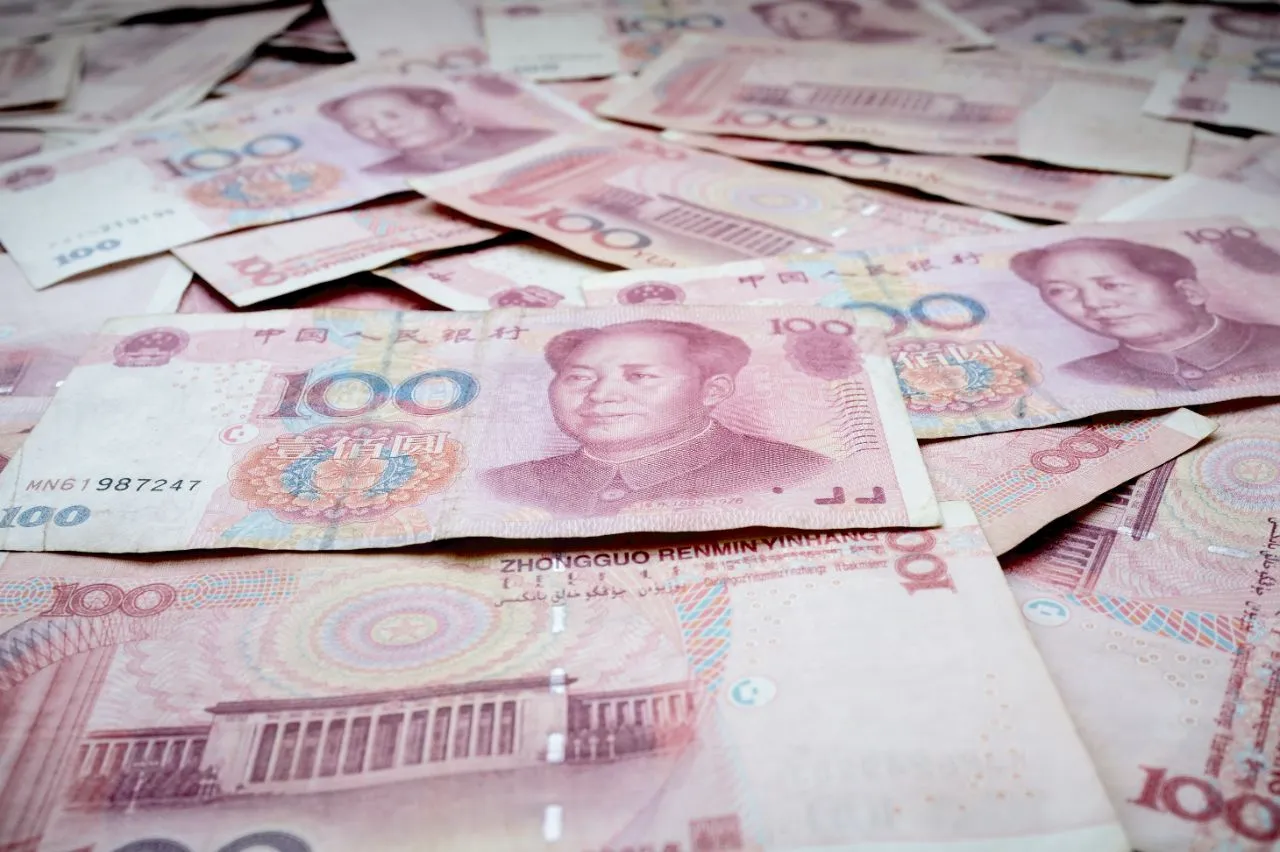
https://asset.coinness.com/en/news/cf8b7f92c82a395ababfae664b500dbc.webp
Photo by Eric Prouzet on Unsplash

Internationalization of the Chinese yuan

China’s State Council, its cabinet and primary administrative authority, has scheduled a review of yuan-backed stablecoins for later this month, a development that could potentially lead to their approval.


The Chinese have been leaders in recent years in the development of a central bank digital currency (CBDC), the digital yuan. The digital yuan was further along in its development than any other CBDC globally, with the Chinese making concerted efforts to bring the digital currency into use at home, with an eye toward global use for international trade.


While the U.S. dollar has enjoyed an extended period as the world’s reserve currency, the weaponization of the currency by the U.S., particularly through the application of sanctions, has led BRICS (Brazil, Russia, India, China and South Africa) nations to consider alternatives.


One of Reuters sources asserted that the Chinese authorities are now homing in on the potential to internationalize the yuan via stablecoins.


Setting the tone for stablecoin use

Members of the Chinese government leadership are expected to establish the tone for stablecoin use following their upcoming review, outlining the parameters within which the Chinese authorities will permit their use.


Reacting to this development, Robin Brooks, a senior fellow at the Brookings Institution, asserted that China’s newfound interest in yuan-backed stablecoins is a sign of “how insecure China is in the global financial system.”

Brooks added that the way to internationalize a sovereign currency is to promote the rule of law and property rights rather than pursue the use of stablecoins, which he described as “ridiculous.” 


Growing global interest

While the Brookings Institution is not directly backed by the U.S. government, the organization is nevertheless a Washington, D.C.-based think tank. Despite Brooks’ objection to the use of stablecoins, China is not the only nation to show interest in using them.

Taking to X, Raphaël Bloch, co-founder of crypto media platform The Big Whale, pointed out that increasingly, nations around the world are embracing stablecoins due to the efficiency of global currency distribution that is possible via public blockchain networks. 


Additionally, stablecoins offer an effective means of government debt financing, given that stablecoin reserves are backed by government bonds.


In the U.S., President Donald Trump has ruled out the pursuit of a CBDC. Last month, the U.S. House of Representatives passed the Anti-CBDC Act to prohibit the development of a CBDC by the Federal Reserve. Instead, Trump has said that a stablecoin regulatory bill working its way through the legislative system will ensure global dominance for the U.S. in the crypto sector.


In June a Deutsche Bank strategist claimed that the legislation would strengthen the U.S. dollar’s global dominance, with several American politicians having since expressed the same view.

Earlier this week, Japan’s Financial Services Agency (FSA) signaled that it is likely to approve the issuance of a yen-pegged stablecoin. Meanwhile, the authorities in South Korea are working on a bill related to won-pegged stablecoins.


More to Read
View All
Policy & Regulation·

May 31, 2023

UAE Issues New Guidance on Crypto AML Measures

UAE Issues New Guidance on Crypto AML MeasuresUnder new guidance issued by the Central Bank of the United Arab Emirates (UAE), crypto businesses will be subject to strengthened anti-money laundering (AML) and countering the financing of terrorism (CFT) measures.Photo by Joshua Miranda on PexelsTightening AML regulationThe guidance, first compiled in February but released on Wednesday, which takes into account the recommendations of the Financial Action Task Force (FATF), has been introduced to enhance the supervisory and regulatory frameworks and combat financial crimes. The rules are set to come into effect within a month.The Central Bank’s guidance specifically targets Licensed Financial Institutions (LFIs) in the UAE, encompassing banks, finance companies, exchange houses, payment service providers, registered hawala providers, insurance companies, agents, and brokers. These entities will now be required to comply with the new regulations to prevent money laundering and terrorism financing activities.Firm foundationsIn a written statement, His Excellency Khaled Mohamed Balama, Governor of the UAEs Central Bank, expressed the importance of the new guidance in strengthening efforts to combat financial crimes. He emphasized the commitment to protecting the financial and monetary system’s soundness and stability, aligning with the FATF standards.The issuance of the guidance comes as the UAE aims to attract crypto businesses to the region by offering a welcoming but effective regulatory framework. In March, Dubai unveiled a dedicated agency responsible for virtual asset regulation, signaling its commitment to fostering a favorable environment for crypto-related activities. Its Virtual Assets Regulatory Authority (VARA) has also taken action against what it deems to be unregulated activity in the crypto space recently.That action together with the approaches taken by Abu Dhabi and at a national level the UAE itself with respect to digital asset licensing is indicative of a territory that is setting out the right foundation upon which to develop the innovative sector. The approach taken by regulators in the UAE has garnered praise from major crypto firms, including Coinbase, who have applauded the region’s proactive stance on regulation.The strengthened regulatory framework is expected to contribute significantly to the UAE’s ongoing efforts to prevent money laundering and the financing of terrorism. By implementing these measures, the UAE aims to safeguard the integrity and stability of its financial and monetary systems while fostering a secure environment for crypto businesses to thrive.Global regulatory effortsThe UAE’s AML guidance comes amid ongoing efforts globally to come to terms with virtual assets. Tomorrow Japan will implement its adherence to the FATF travel rule regulation relative to digital assets. Crypto businesses like bitFlyer are already adjusting to that eventuality, while also implementing a similar standard in international markets.As the UAE continues to position itself as a leading hub for the crypto industry, the introduction of these new AML rules demonstrates its proactive approach to regulation. The collaboration between the Central Bank and other global regulatory bodies, such as the FATF, showcases the UAE’s commitment to international cooperation and the sharing of knowledge and best practices in the ever-evolving crypto landscape.

news
Web3 & Enterprise·

Aug 11, 2023

NS Studio and Factor Labs to Enhance Military Security with Blockchain Technology

NS Studio and Factor Labs to Enhance Military Security with Blockchain TechnologyKorean game developer NS Studio announced on Thursday its collaborative research effort with blockchain-based security solutions company Factor Labs to boost the security system of its specialized virtual reality simulator used in military training centers and multinational security firms.Photo by Filip Andrejevic on UnsplashProtecting special combat forcesThe two companies signed a memorandum of understanding (MOU) to develop a blockchain-based security system to be integrated into military training equipment that aims to safeguard the identity and behavioral data of special combat forces. Factor Labs’ security technology and blockchain expertise will be integrated into NS Studio’s military training programs, facilitating safer training sessions.“Given the fact that special combat forces are important assets whose identities are considered national secrets, we want to amp up the security of the simulation programs that keep a record of their identities and behavioral patterns using blockchain technology,” the two companies said in a joint statement.“We have begun developing the necessary technology for this project and are preparing to implement the security program starting in the latter half of this year.”Blockchain’s role in military securityThis collaboration underscores the increasing role of cutting-edge technologies like blockchain in ensuring the security and privacy of sensitive data not just in the financial context but also in military and security contexts. The combined efforts of NS Studio and Factor Labs are poised to contribute to the advancement of secure training simulations for special operations personnel.

news
Policy & Regulation·

Oct 02, 2025

Iran caps stablecoin transactions amid currency devaluation and sanctions

Iranian authorities last week introduced new restrictions on stablecoin transactions, limiting individuals to an annual purchase cap of $5,000 and a total holding limit of $10,000. According to a report from Iran International, licensed digital platforms have one month from the effective date to enforce these new regulations on all users.Photo by Hadis Malekie on UnsplashRial decline fuels stablecoin uptakeThe move coincides with the continued devaluation of the national currency, with the Iranian rial reaching an all-time low of 1,136,500 per U.S. dollar on Sept. 27. This currency plunge occurred just before the reimposition of United Nations sanctions, which took effect at 00:00 UTC on Sept. 28. Since then, the rial has weakened further, reaching a new low of 1,170,000 per U.S. dollar as of publication, as per data from Bonbast.  For many Iranians, stablecoins like USDT have become an essential financial tool, providing a hedge against inflation and a means to transfer funds internationally, bypassing the traditional banking system. The adoption of these U.S. dollar-pegged digital assets has reportedly grown since the escalation of conflicts with Israel and the U.S. earlier in the year. These new financial controls follow recent actions by the U.S. to counter what it describes as Iranian "shadow banking" networks. On Sept. 16, the U.S. Department of the Treasury’s Office of Foreign Assets Control (OFAC) sanctioned two Iranian financial operatives and their network of companies in Hong Kong and the United Arab Emirates (UAE). A press release stated these entities used cryptocurrency and front companies to transfer funds from oil sales, benefiting Iran’s IRGC-Qods Force (QF) and its Ministry of Defense and Armed Forces Logistics (MODAFL). The U.S. Treasury asserts these funds are funneled into regional proxy groups and the development of advanced weapons programs.U.S. dollar to rial chart Source: BonbastHack on Iran’s top crypto platformIran’s private digital currency sector has also faced mounting security pressures. In June, Nobitex, the country’s largest crypto exchange, was hit by a major exploit that drained about $90 million in assets, including Bitcoin (BTC), Ethereum (ETH), Dogecoin (DOGE), Ripple (XRP), Solana (SOL), Tron (TRX), and TON. A pro-Israel hacker group known as Predatory Sparrow, or Gonjeshke Darande, later claimed responsibility in a post on X. The attack took place during heightened military tensions that began with Israeli strikes on Iranian military and nuclear facilities on June 18, 2025. According to analysis by TRM Labs, digital assets are increasingly integral to Iran's efforts to navigate international sanctions and advance its geopolitical interests. Iranian exchanges, including Nobitex, process billions in cryptocurrency transactions. These platforms have been noted for permitting large withdrawals without stringent Know Your Customer (KYC) protocols and for employing sophisticated methods to obscure the origins and destinations of funds. At the same time, these exchanges are not used solely for state-level purposes. For many ordinary Iranians, grappling with inflation and economic isolation, digital assets represent a practical tool for safeguarding savings and maintaining limited access to the global economy, underscoring the dual role that cryptocurrency plays in the country. 

news
Loading
